What does Genesis 35:29 mean?
“And Isaac gave up the ghost, and died, and was gathered unto his people, being old and full of days: and his sons Esau and Jacob buried him.” — Genesis 35:29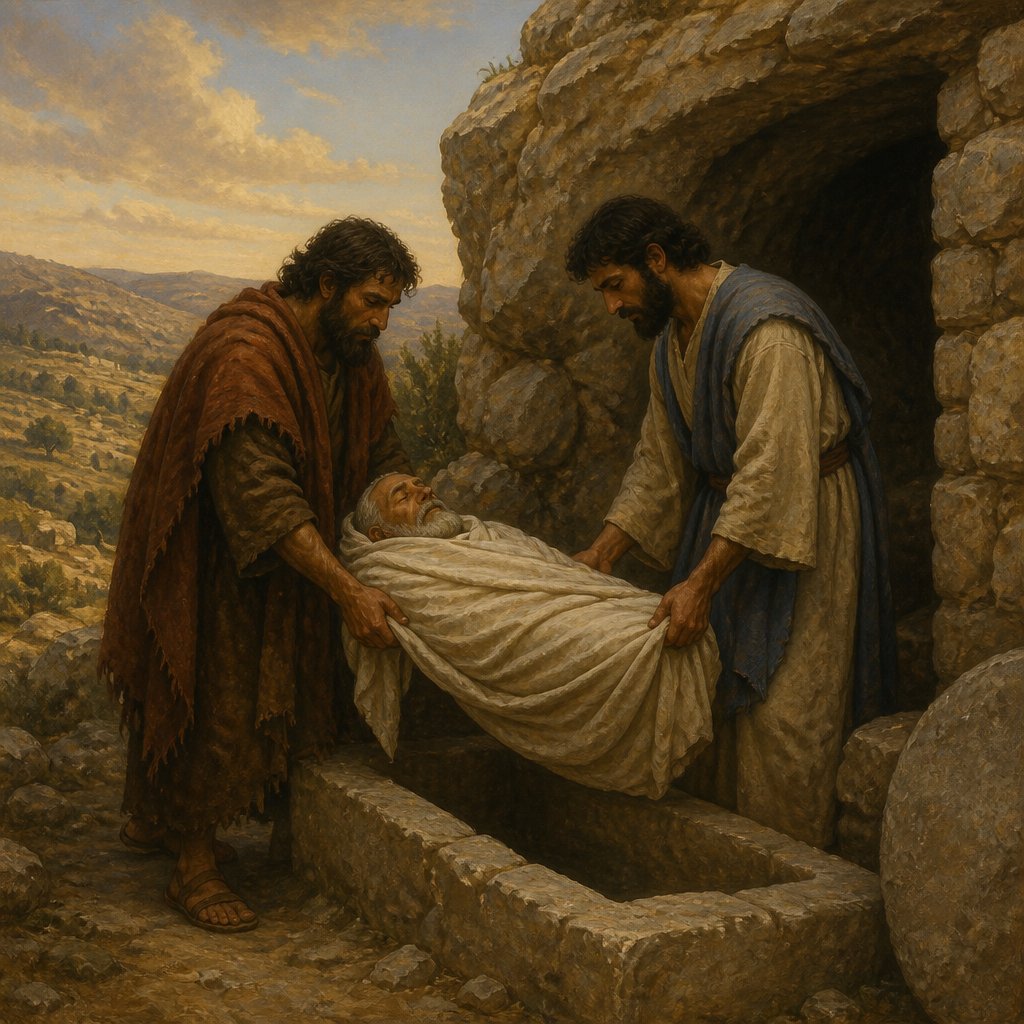
Genesis 35:29 (KJV): "And Isaac gave up the ghost, and died, and was gathered unto his people, being old and full of days: and his sons Esau and Jacob buried him."
The verse Genesis 35:29 is significant as it marks the passing of Isaac, a prominent figure in the Bible. This verse is situated at the end of the account of Isaac's life, serving as a conclusion to his story and a transition to the next generation, particularly focusing on his sons Esau and Jacob. In order to fully understand the meaning and significance of this verse, it is important to analyze the themes, context, and symbolism within this passage.
One theme that stands out in this verse is the concept of mortality and the inevitable passing of time. The phrase "and Isaac gave up the ghost, and died" signifies the end of Isaac's earthly journey. This event serves as a reminder of the transient nature of human life and the certainty of death. It prompts the readers to contemplate the brevity of life and the importance of being mindful of one's actions and decisions while on earth. This theme of mortality is also echoed in other parts of the Bible, such as Psalm 90:12 which states, "So teach us to number our days, that we may apply our hearts unto wisdom."
Furthermore, the phrase "and was gathered unto his people" implies the belief in the afterlife and the reunion of Isaac with his ancestors in the afterlife. This language is also used to describe the passing of other biblical figures, such as Abraham and Jacob, indicating a sense of continuity and connection between generations. It conveys the idea of an eternal bond that transcends death and highlights the importance of lineage and heritage in the biblical narrative.
The description of Isaac as "old and full of days" also emphasizes the idea of a life well-lived. This phrase suggests that Isaac lived a long and fulfilling life, and his passing was a natural outcome of the passage of time. It serves as a reflection of his character and the legacy he left behind. This concept of a life full of days is echoed in Job 5:26, which states, "Thou shalt come to thy grave in a full age, like as a shock of corn cometh in in his season."
Additionally, the mention of Isaac's sons, Esau and Jacob, participating in the burial process carries symbolic significance. It symbolizes the importance of familial duty and the continuation of familial traditions. Despite their differences and conflicts throughout their lives, the act of burying their father together demonstrates a sense of unity and mutual respect for their patriarch. It also foreshadows the future reconciliation between the brothers, as depicted in later chapters of the Bible.
In terms of context, this verse is situated within the larger narrative of Isaac's life and the ongoing genealogical lineage that is central to the biblical story. Isaac, the son of Abraham and Sarah, played a crucial role in the fulfillment of God's promises to his ancestors. His life is marked by significant events, such as the miraculous birth of his sons, the conflicts with his brother Ishmael, and the testing of his faith through the near-sacrifice of his son Jacob. The mention of his death and burial serves as a poignant conclusion to his life's story and sets the stage for the continuation of the narrative through his descendants.
In conclusion, Genesis 35:29 marks the end of an era in the biblical narrative, as Isaac, a pivotal figure in the lineage of the Israelites, passes away and is buried by his sons. The verse encapsulates themes of mortality, lineage, and the continuity of generations. It also holds symbolic significance in portraying the unity of the family and foreshadowing future developments within the biblical story. Overall, this verse serves as a poignant reflection on the passage of time, the legacy of ancestral figures, and the interconnectedness of generations within the biblical narrative.
Get our apps


Artwork for Genesis 35:29

Genesis 35:29 - "And Isaac gave up the ghost, and died, and was gathered unto his people, being old and full of days: and his sons Esau and Jacob buried him."
"And Isaac gave up the ghost, and died, and was gathered unto his people, being old and full of days: and his sons Esau and Jacob buried him." - Genesis 35:29

Genesis 29:16-35

Genesis 29:35 - "And she conceived again, and bare a son: and she said, Now will I praise the LORD: therefore she called his name Judah; and left bearing."

Genesis 26:35

Genesis 19-35

Genesis 31:35

Genesis 24-35

Genesis 35:16-20

genesis 26:1-35

Genesis 35:24 - "The sons of Rachel; Joseph, and Benjamin:"
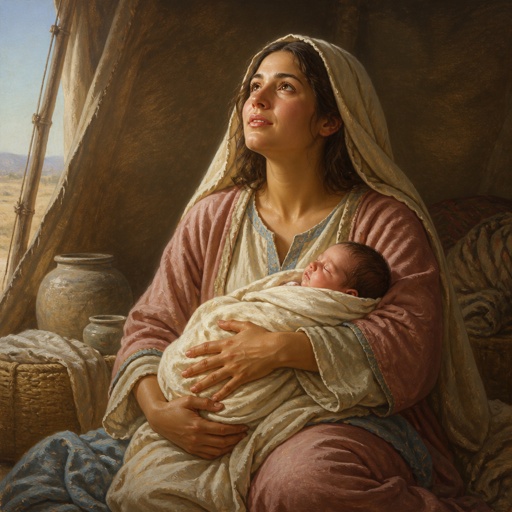
"And she conceived again, and bare a son: and she said, Now will I praise the LORD: therefore she called his name Judah; and left bearing." - Genesis 29:35

Genesis 35:25 - "And the sons of Bilhah, Rachel's handmaid; Dan, and Naphtali:"

Numbers 35:29 - "So these things shall be for a statute of judgment unto you throughout your generations in all your dwellings."

Numbers 29:35 - "¶ On the eighth day ye shall have a solemn assembly: ye shall do no servile work therein:"

Genesis 35:28 - "And the days of Isaac were an hundred and fourscore years."

Genesis 26:35 - "Which were a grief of mind unto Isaac and to Rebekah."

Genesis 29:29 - "And Laban gave to Rachel his daughter Bilhah his handmaid to be her maid."

Genesis 29-2

Genesis 29-6

Genesis 29-5

Genesis 42:29

Genesis 29:1

Genesis 29-7

Genesis 18-29

Genesis 26:29

Genesis 19-29

Genesis 29-8

Genesis 29-3

Genesis 29-4