What does Genesis 36:18 mean?
"¶ And these are the sons of Aholibamah Esau's wife; duke Jeush, duke Jaalam, duke Korah: these were the dukes that came of Aholibamah the daughter of Anah, Esau's wife." - Genesis 36:18
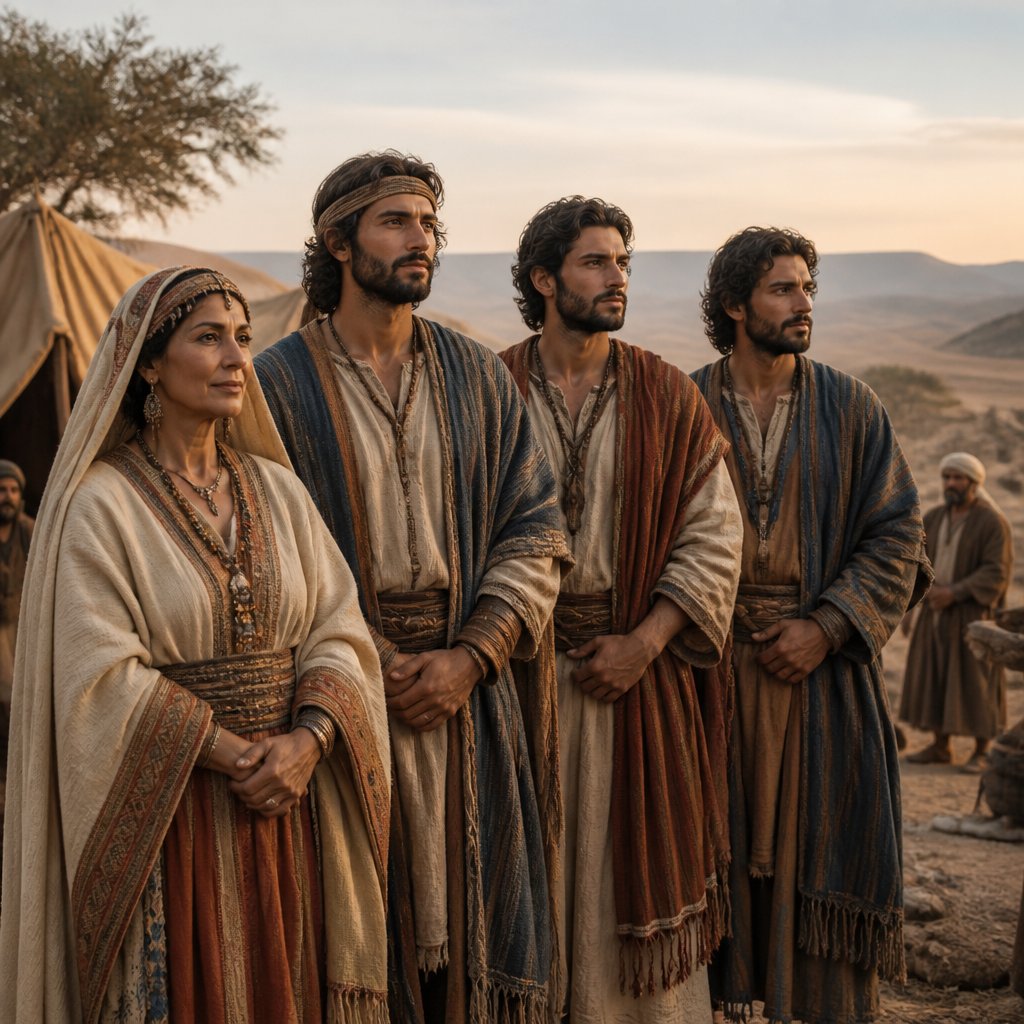
Genesis 36:18 (KJV) states: "And these are the sons of Aholibamah, Esau's wife; duke Jeush, duke Jaalam, duke Korah: these were the dukes that came of Aholibamah the daughter of Anah, Esau's wife."
The book of Genesis in the Bible is a foundational text for both the Jewish and Christian faiths. It tells the story of the creation of the world, the origins of humanity, and the early history of the Israelite people. Genesis 36 is a chapter that focuses on the genealogy of Esau, the elder son of Isaac and Rebecca, and the twin brother of Jacob.
In this particular verse, the focus is on the sons of Aholibamah, who was one of Esau's wives. The verse lists the names of her sons and their titles as dukes. This genealogical information serves multiple purposes in the passage, providing a record of the descendants of Esau and establishing the lineages of the various tribes that would emerge from them.
Aholibamah, as Esau's wife, represents an alliance with the local inhabitants of Canaan. This marriage creates a connection between the descendants of Esau and the surrounding peoples, reflecting the complex and intertwined nature of ancient tribal relationships. The inclusion of Aholibamah and her descendants in the genealogy of Esau underscores the diverse and expansive nature of the family's lineage.
The use of the term "duke" in this verse is significant as well. In the context of the book of Genesis, dukes were essentially tribal leaders or chieftains. By identifying Aholibamah's sons as dukes, the verse is highlighting their status and leadership roles within the community. This emphasizes the importance of leadership and authority within the tribal structure of ancient society.
Symbolically, the genealogy of Esau's wives and their offspring reinforces the theme of inheritance and lineage that is prevalent throughout the book of Genesis. The passing down of names, titles, and responsibilities from one generation to the next is a central motif in the biblical narrative, as it establishes the continuation of God's covenant with the descendants of Abraham.
Furthermore, the inclusion of Aholibamah and her descendants in the genealogy of Esau serves as a reminder of the interconnectedness of all people. Despite the rivalries and conflicts that arise throughout the biblical narrative, this verse emphasizes the common ancestry and shared heritage of the diverse populations in the ancient Near East.
The verse also speaks to the theme of women in the Bible, highlighting the role of Aholibamah as a wife and mother within the patriarchal society of the time. While the focus of the genealogy is primarily on the male line of descent, the mention of Aholibamah and her sons provides a glimpse into the matriarchal aspect of family and lineage.
In conclusion, Genesis 36:18 offers valuable insights into the genealogy and tribal structure of ancient society, as well as the symbolic and thematic significance of familial lineage and leadership roles. This verse contributes to the broader narrative of Genesis, which explores the origins and development of the Israelite people and their relationships with neighboring tribes.
Have questions about Genesis 36:18?
Dive deeper into this scripture with Bible Chat — an AI-powered tool for exploring God's Word through conversation. Ask questions, get context, and grow in your understanding of the Bible.
Get Our Apps


Genesis 36:18 Artwork
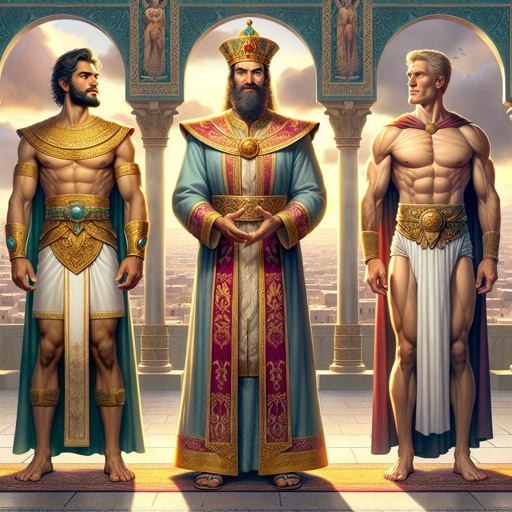
Genesis 36:18 - "¶ And these are the sons of Aholibamah Esau's wife; duke Jeush, duke Jaalam, duke Korah: these were the dukes that came of Aholibamah the daughter of Anah, Esau's wife."
"¶ And these are the sons of Aholibamah Esau's wife; duke Jeush, duke Jaalam, duke Korah: these were the dukes that came of Aholibamah the daughter of Anah, Esau's wife." - Genesis 36:18

Genesis 36:36 - "And Hadad died, and Samlah of Masrekah reigned in his stead."

Genesis 24:36

john 18:36

Genesis 19-36

Genesis 36:28 - "The children of Dishan are these; Uz, and Aran."

"And Hadad died, and Samlah of Masrekah reigned in his stead." - Genesis 36:36

Genesis 36:27 - "The children of Ezer are these; Bilhan, and Zaavan, and Akan."

Genesis 36:3 - "And Bashemath Ishmael's daughter, sister of Nebajoth."

Genesis 36:19 - "These are the sons of Esau, who is Edom, and these are their dukes."

Genesis 36:1 - "Now these are the generations of Esau, who is Edom."

Genesis 36:26 - "And these are the children of Dishon; Hemdan, and Eshban, and Ithran, and Cheran."

Genesis 36:42 - "Duke Kenaz, duke Teman, duke Mibzar,"

Genesis 36:9 - "¶ And these are the generations of Esau the father of the Edomites in mount Seir:"

Genesis 36:41 - "Duke Aholibamah, duke Elah, duke Pinon,"

Genesis 36:8 - "Thus dwelt Esau in mount Seir: Esau is Edom."

Genesis 19:36 - "Thus were both the daughters of Lot with child by their father."

Luke 18:36 - "And hearing the multitude pass by, he asked what it meant."

Genesis 36:25 - "And the children of Anah were these; Dishon, and Aholibamah the daughter of Anah."

Genesis 36:4 - "And Adah bare to Esau Eliphaz; and Bashemath bare Reuel;"

Genesis 36:11 - "And the sons of Eliphaz were Teman, Omar, Zepho, and Gatam, and Kenaz."

Genesis 36:23 - "And the children of Shobal were these; Alvan, and Manahath, and Ebal, Shepho, and Onam."

Genesis 36:34 - "And Jobab died, and Husham of the land of Temani reigned in his stead."

Genesis 36:22 - "And the children of Lotan were Hori and Hemam; and Lotan's sister was Timna."
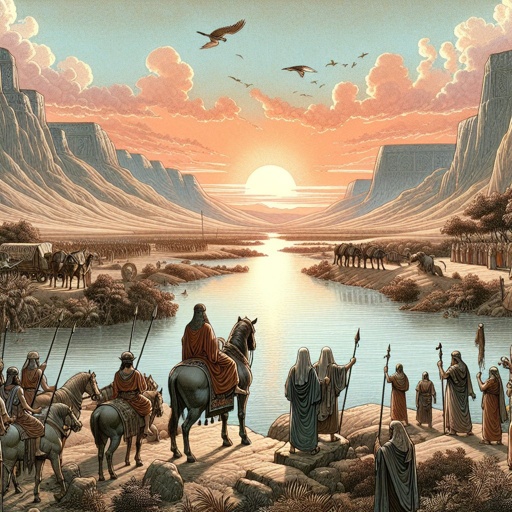
Genesis 36:37 - "And Samlah died, and Saul of Rehoboth by the river reigned in his stead."
Genesis 18-18

Genesis 36:33 - "And Bela died, and Jobab the son of Zerah of Bozrah reigned in his stead."

Genesis 36:38 - "And Saul died, and Baal-hanan the son of Achbor reigned in his stead."

Genesis 36:21 - "And Dishon, and Ezer, and Dishan: these are the dukes of the Horites, the children of Seir in the land of Edom."