What does Genesis 36:11 mean?
“And the sons of Eliphaz were Teman, Omar, Zepho, and Gatam, and Kenaz.” — Genesis 36:11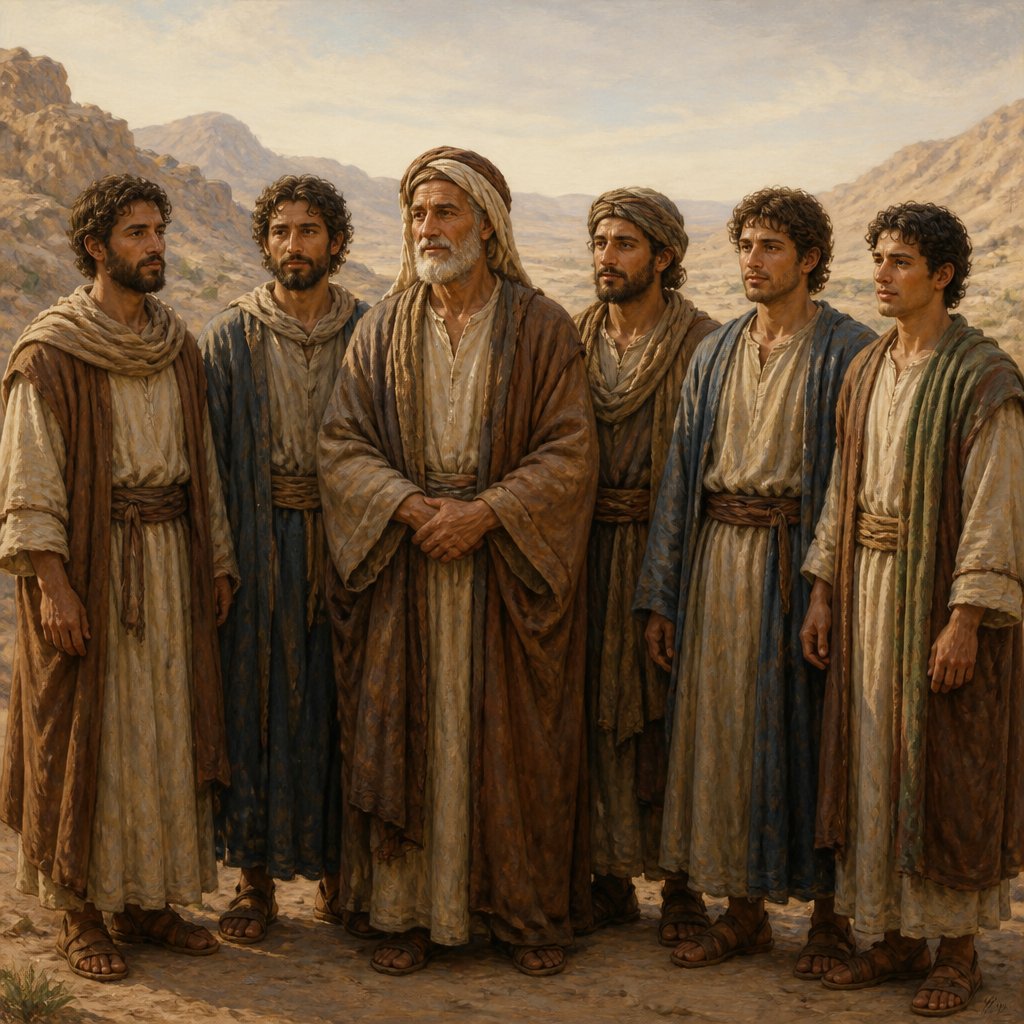
Genesis 36:11 (KJV) states: "The sons of Eliphaz were Teman, Omar, Zepho, and Gatam, and Kenaz."
The book of Genesis is the first book of the Bible and is highly significant as it contains the creation story, the fall of man, and the stories of the patriarchs including Abraham, Isaac, and Jacob. In Genesis 36, the chapter focuses on the genealogy of Esau, the elder son of Isaac and brother of Jacob. This verse specifically details the descendants of Esau’s son, Eliphaz.
The significance of genealogies in the Bible cannot be overstated. They were used to establish lineages, determine inheritance, and indicate one's standing in society. In this context, Genesis 36:11 serves to establish the lineage of Esau's descendants, providing a historical record of Eliphaz's sons - Teman, Omar, Zepho, Gatam, and Kenaz.
From a broader perspective, this verse conveys the continuity of God's covenant and the fulfillment of His promise to Abraham, Isaac, and Jacob. The meticulous recording of lineages throughout the Bible underscores the importance of heritage and ancestry in God's plan for His people.
The naming of Eliphaz's sons also carries significance. In biblical times, names held deep meaning and often reflected the character or destiny of the individual. Teman, for example, means "on the right," symbolizing strength and honor. Omar means "eloquent" or "talkative." Zepho's name may derive from the Hebrew word for "watchful," suggesting vigilance and discernment. Gatam could mean "their touch," signifying intimacy or closeness, while Kenaz may denote "hunter" or "one who is disobedient."
In a broader symbolic sense, Eliphaz's sons represent various aspects of human nature and character. The qualities associated with their names - strength, eloquence, vigilance, intimacy, and disobedience - reflect the complexities and diversity of human experiences. This reflects the rich tapestry of human existence and the different paths that individuals may take in life.
Furthermore, the inclusion of these specific names may also point to the broader themes of God's sovereignty and the fulfillment of His purposes through diverse and multifaceted expressions of humanity. Each individual carries unique gifts and challenges, contributing to the unfolding of God's plan in their own way.
In a theological context, the names of Eliphaz's sons also foreshadow the unique roles that their descendants would play in biblical history. For example, Teman is associated with the region of Edom and its wise men, suggesting a legacy of wisdom and insight. Kenaz, on the other hand, is linked to the tribe of Judah and is also mentioned in the lineage of Caleb, a faithful servant of God.
Overall, Genesis 36:11 offers a valuable insight into the genealogical records of the Bible and the deeper symbolism and significance that can be derived from seemingly simple passages. It underscores the importance of lineage, heritage, and individual character in the context of God's unfolding plan for humanity. It also demonstrates the diverse and multifaceted nature of human existence and the unique contributions that each individual makes to the larger narrative of God's redemptive work.
Get our apps


Artwork for Genesis 36:11

Genesis 36:11 - "And the sons of Eliphaz were Teman, Omar, Zepho, and Gatam, and Kenaz."
"And the sons of Eliphaz were Teman, Omar, Zepho, and Gatam, and Kenaz." - Genesis 36:11

Genesis 36:36 - "And Hadad died, and Samlah of Masrekah reigned in his stead."

Genesis 24:36

Genesis 19-36
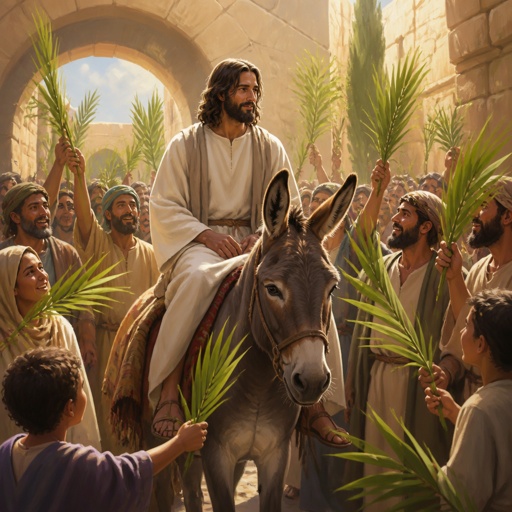
Mark 11:36

Genesis 36:28 - "The children of Dishan are these; Uz, and Aran."

"And Hadad died, and Samlah of Masrekah reigned in his stead." - Genesis 36:36

Genesis 36:27 - "The children of Ezer are these; Bilhan, and Zaavan, and Akan."

Genesis 36:19 - "These are the sons of Esau, who is Edom, and these are their dukes."

Genesis 36:3 - "And Bashemath Ishmael's daughter, sister of Nebajoth."

Genesis 36:1 - "Now these are the generations of Esau, who is Edom."

Genesis 36:26 - "And these are the children of Dishon; Hemdan, and Eshban, and Ithran, and Cheran."

Genesis 36:42 - "Duke Kenaz, duke Teman, duke Mibzar,"

Genesis 36:9 - "¶ And these are the generations of Esau the father of the Edomites in mount Seir:"

Romana 11:33-36

Genesis 36:41 - "Duke Aholibamah, duke Elah, duke Pinon,"

Genesis 19:36 - "Thus were both the daughters of Lot with child by their father."

Genesis 36:8 - "Thus dwelt Esau in mount Seir: Esau is Edom."

Genesis 36:25 - "And the children of Anah were these; Dishon, and Aholibamah the daughter of Anah."

Genesis 36:4 - "And Adah bare to Esau Eliphaz; and Bashemath bare Reuel;"

Nehemiah 11:36 - "And of the Levites were divisions in Judah, and in Benjamin."

1 Chronicles 11:36 - "Hepher the Mecherathite, Ahijah the Pelonite,"

Genesis 36:23 - "And the children of Shobal were these; Alvan, and Manahath, and Ebal, Shepho, and Onam."

Genesis 36:34 - "And Jobab died, and Husham of the land of Temani reigned in his stead."

Genesis 36:22 - "And the children of Lotan were Hori and Hemam; and Lotan's sister was Timna."
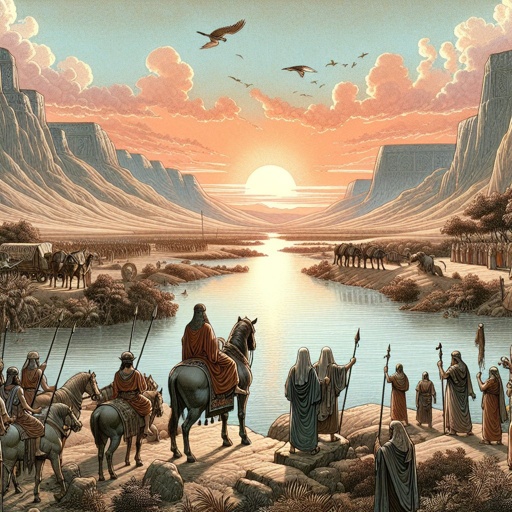
Genesis 36:37 - "And Samlah died, and Saul of Rehoboth by the river reigned in his stead."

Genesis 36:33 - "And Bela died, and Jobab the son of Zerah of Bozrah reigned in his stead."

Genesis 36:38 - "And Saul died, and Baal-hanan the son of Achbor reigned in his stead."

Genesis 36:21 - "And Dishon, and Ezer, and Dishan: these are the dukes of the Horites, the children of Seir in the land of Edom."