What does Genesis 36:13 mean?
“And these are the sons of Reuel; Nahath, and Zerah, Shammah, and Mizzah: these were the sons of Bashemath Esau’s wife.” — Genesis 36:13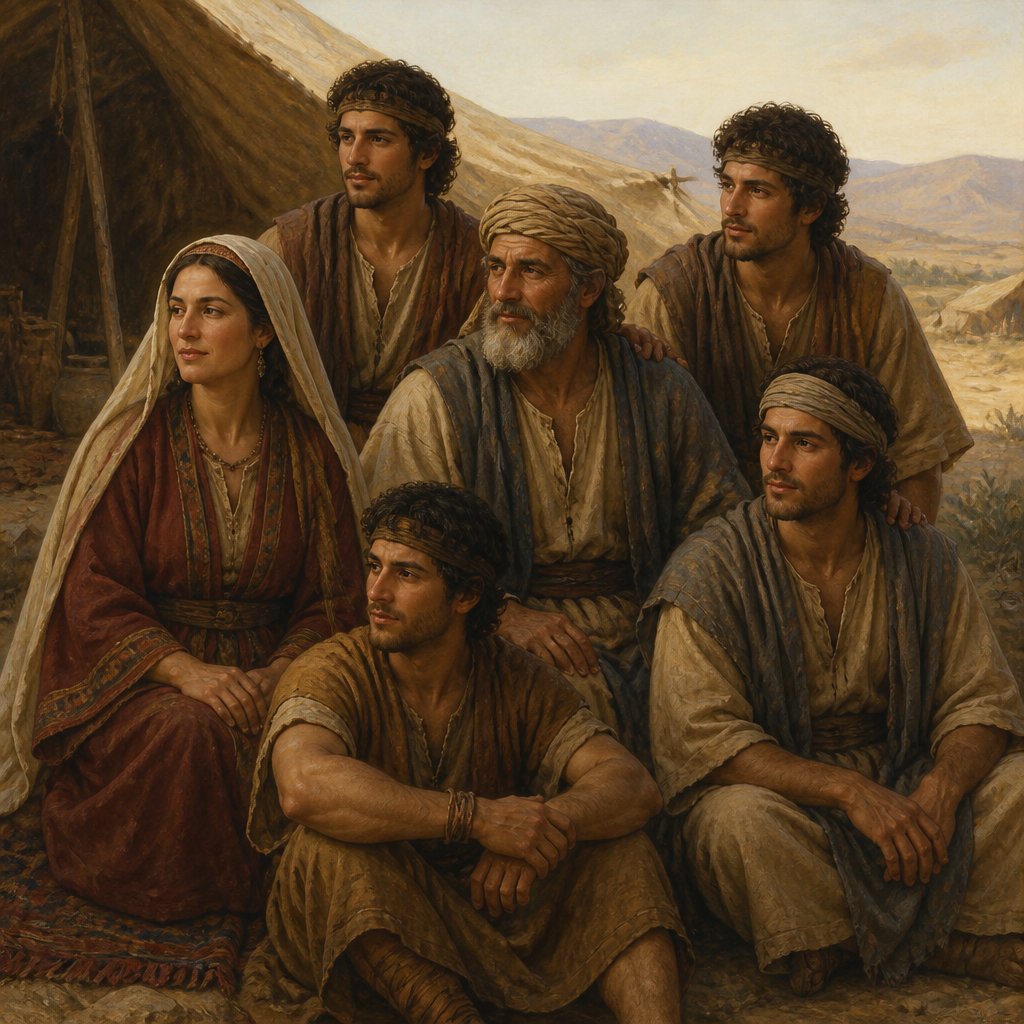
Genesis 36:13 (KJV) says, "And these are the sons of Reuel; Nahath, and Zerah, Shammah, and Mizzah: these were the sons of Bashemath Esau's wife."
This verse is a part of the genealogy of Esau, the elder twin brother of Jacob, and the grandson of Abraham. It is found in the Old Testament, specifically in the book of Genesis, which is the first book of the Bible. This genealogy is significant as it traces the lineage of the Edomites, who were the descendants of Esau.
The context of this verse is important in understanding its significance. Esau was the firstborn son of Isaac and Rebekah, making him the heir to his father's blessings and inheritance. However, he sold his birthright to his younger brother Jacob for a bowl of lentil stew, and later lost his father's blessing to Jacob through deceit. This led to a deep-seated enmity between the brothers and their descendants, which is reflected in the genealogy of Esau and the subsequent conflicts between the Israelites and the Edomites.
The genealogy of Esau in Genesis 36 serves several purposes. Firstly, it establishes the fulfillment of God's promise to Abraham that his descendants would be numerous, as the Edomites, who were descendants of Esau, also multiplied and formed a nation. Secondly, it provides historical context for the relationship between the Israelites and the Edomites, as well as the origins of the conflict between the two nations. Lastly, it serves as a reminder of the consequences of Esau's choices, as his descendants ultimately became a separate and often adversarial nation to the Israelites.
The names mentioned in this verse, Nahath, Zerah, Shammah, and Mizzah, are the sons of Reuel, who was Esau's son. In the biblical context, names often carry important meanings and symbolism. For example, the name Zerah means "dawning" or "rising of light," and it is significant that one of Esau's descendants is associated with light. This could symbolize spiritual significance or foreshadowing of events in the future. Similarly, the other names may also carry deeper meanings or connections to the broader themes of the genealogy and the stories of the patriarchs.
The themes in this verse revolve around the fulfillment of God's promises, the consequences of choices and actions, and the complexities of familial relationships. Throughout the Bible, God's promises to Abraham, Isaac, and Jacob are repeatedly affirmed through the generations, and the lineage of Esau is no exception. Despite the conflicts and divisions among the descendants of Esau and Jacob, the underlying theme of God's faithfulness to His promises remains constant.
Furthermore, the choices and actions of individuals, such as Esau's decision to trade his birthright for a single meal, carry long-term consequences that affect not only the individual but also their descendants. This serves as a cautionary tale about the importance of making wise decisions and understanding the implications of those choices.
The familial relationships and conflicts depicted in this genealogy speak to the broader theme of human relationships and the complexities of family dynamics. The rivalries and reconciliations among the patriarchs and their descendants demonstrate the intricacies of human interactions and the long-lasting impact of these relationships.
In conclusion, Genesis 36:13, within the broader context of the genealogy of Esau, serves as a reminder of God's faithfulness, the consequences of choices and actions, and the complexities of familial relationships. The names of the descendants carry potential symbolism and deeper meanings, and the verse contributes to the larger narrative of the Old Testament. It provides historical context for the relationship between the Israelites and the Edomites and offers valuable lessons about human nature and the importance of understanding the broader implications of our choices.
Get our apps


Artwork for Genesis 36:13

Genesis 36:13 - "And these are the sons of Reuel; Nahath, and Zerah, Shammah, and Mizzah: these were the sons of Bashemath Esau's wife."
"And these are the sons of Reuel; Nahath, and Zerah, Shammah, and Mizzah: these were the sons of Bashemath Esau's wife." - Genesis 36:13

Genesis 36:36 - "And Hadad died, and Samlah of Masrekah reigned in his stead."

Genesis 24:36

Genesis 19-36

Genesis 36:28 - "The children of Dishan are these; Uz, and Aran."

"And Hadad died, and Samlah of Masrekah reigned in his stead." - Genesis 36:36

Genesis 36:27 - "The children of Ezer are these; Bilhan, and Zaavan, and Akan."

Genesis 36:3 - "And Bashemath Ishmael's daughter, sister of Nebajoth."

Genesis 36:19 - "These are the sons of Esau, who is Edom, and these are their dukes."

Genesis 36:1 - "Now these are the generations of Esau, who is Edom."

Genesis 36:26 - "And these are the children of Dishon; Hemdan, and Eshban, and Ithran, and Cheran."

Genesis 36:42 - "Duke Kenaz, duke Teman, duke Mibzar,"

Genesis 36:9 - "¶ And these are the generations of Esau the father of the Edomites in mount Seir:"

Genesis 36:41 - "Duke Aholibamah, duke Elah, duke Pinon,"

Genesis 36:8 - "Thus dwelt Esau in mount Seir: Esau is Edom."

Genesis 19:36 - "Thus were both the daughters of Lot with child by their father."

Genesis 36:25 - "And the children of Anah were these; Dishon, and Aholibamah the daughter of Anah."

Genesis 36:4 - "And Adah bare to Esau Eliphaz; and Bashemath bare Reuel;"

Genesis 36:11 - "And the sons of Eliphaz were Teman, Omar, Zepho, and Gatam, and Kenaz."

Genesis 36:23 - "And the children of Shobal were these; Alvan, and Manahath, and Ebal, Shepho, and Onam."

Genesis 36:34 - "And Jobab died, and Husham of the land of Temani reigned in his stead."

Genesis 36:22 - "And the children of Lotan were Hori and Hemam; and Lotan's sister was Timna."
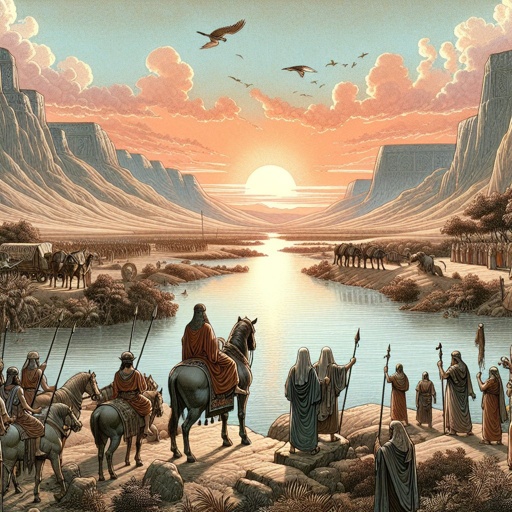
Genesis 36:37 - "And Samlah died, and Saul of Rehoboth by the river reigned in his stead."

Genesis 36:33 - "And Bela died, and Jobab the son of Zerah of Bozrah reigned in his stead."

Genesis 36:38 - "And Saul died, and Baal-hanan the son of Achbor reigned in his stead."

Mark 13:36 - "Lest coming suddenly he find you sleeping."

Genesis 36:21 - "And Dishon, and Ezer, and Dishan: these are the dukes of the Horites, the children of Seir in the land of Edom."

Genesis 36:32 - "And Bela the son of Beor reigned in Edom: and the name of his city was Dinhabah."

"The children of Dishan are these; Uz, and Aran." - Genesis 36:28