What does Genesis 36:15 mean?
“These were dukes of the sons of Esau: the sons of Eliphaz the firstborn son of Esau; duke Teman, duke Omar, duke Zepho, duke Kenaz,” — Genesis 36:15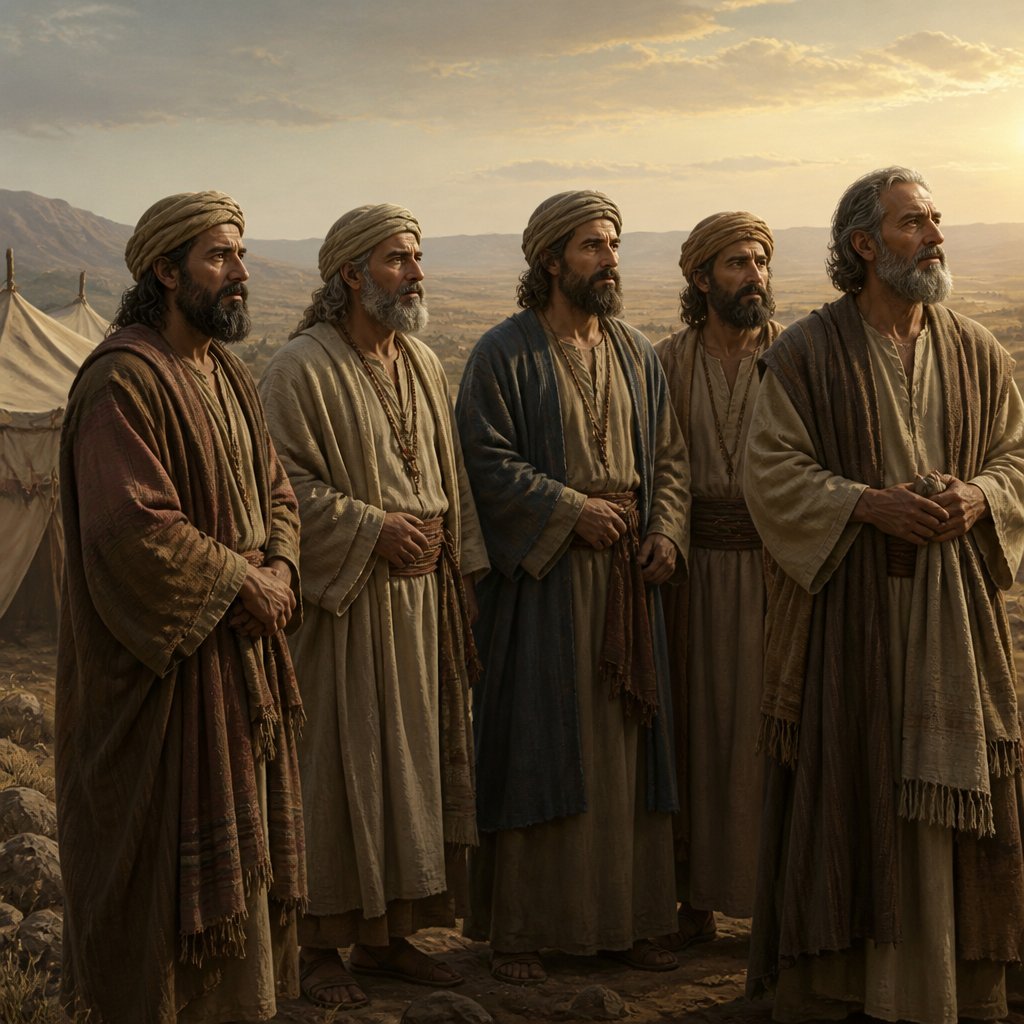
Genesis 36:15 – "These dukes of the sons of Esau: the sons of Eliphaz the firstborn son of Esau; duke Teman, duke Omar, duke Zepho, duke Kenaz, duke Korah, duke Gatam, and duke Amalek: these are the dukes that came of Eliphaz in the land of Edom; these were the sons of Adah."
This verse from the book of Genesis is part of the genealogy of the descendants of Esau, the elder twin brother of Jacob. Esau, also known as Edom, was the ancestor of the Edomites, and this passage lists the descendants of his son Eliphaz. The use of the word "duke" here refers to a ruler or leader, and it is significant in understanding the structure of society and leadership among the Edomites.
The genealogy presented here serves several purposes. Firstly, it establishes the lineage of the Edomites, tracing their origins back to Esau. This was important for the Israelites, the audience for the book of Genesis, as it provided a historical and cultural context for the Edomites, who were neighbors and sometimes adversaries of the Israelites. Secondly, it reinforces the idea of the fulfillment of God's promises to Abraham, Isaac, and Jacob, as the continuation of their lineages is meticulously documented. This genealogy is also a demonstration of God's faithfulness to His covenant with Abraham, as the descendants of Esau flourish and become a great nation.
The mention of the "sons of Eliphaz" is an indication of the importance of lineage and ancestry in the ancient Near East. It was crucial to establish one's familial connections and heritage, as it impacted an individual's social standing and identity. The use of the term "duke" reflects the hierarchical structure of Edomite society, where leaders and rulers were prominent figures. This also indicates a degree of organization and political structure among the Edomites.
The names of the dukes – Teman, Omar, Zepho, Kenaz, Korah, Gatam, and Amalek – carry significance as well. In the Bible, names are often symbolic and carry meaning. Teman, for example, is associated with wisdom and is often mentioned as a place of great learning and knowledge. Amalek, on the other hand, is a name that would later become synonymous with a perennial enemy of the Israelites. The inclusion of these names in the genealogy foreshadows the future interactions and relationships between the descendants of Esau and the Israelites.
Additionally, this verse underscores the theme of God's sovereignty and His divine plan. The meticulous recording of lineages and the rise of nations is indicative of God's ultimate control over history and human affairs. Every individual and every nation has a place in God's overarching narrative, and this genealogy serves as a reminder of His providence and faithfulness.
In conclusion, Genesis 36:15 is a seemingly simple verse within a genealogical account, but it holds significant historical, cultural, and theological importance. It provides insight into the social structure of the Edomites, emphasizes the fulfillment of God's promises, and foreshadows future events. The meticulous recording of lineages also serves to underscore God's sovereignty and His overarching plan for humanity. As such, this verse is not merely a list of names and titles, but a window into the intricate tapestry of God's purposes and His work throughout history.
Get our apps


Artwork for Genesis 36:15

Genesis 36:15 - "¶ These were dukes of the sons of Esau: the sons of Eliphaz the firstborn son of Esau; duke Teman, duke Omar, duke Zepho, duke Kenaz,"
"¶ These were dukes of the sons of Esau: the sons of Eliphaz the firstborn son of Esau; duke Teman, duke Omar, duke Zepho, duke Kenaz," - Genesis 36:15

Genesis 36:36 - "And Hadad died, and Samlah of Masrekah reigned in his stead."

Genesis 24:36

Genesis 19-36

Genesis 36:28 - "The children of Dishan are these; Uz, and Aran."

1 Corinthians 15:36

"And Hadad died, and Samlah of Masrekah reigned in his stead." - Genesis 36:36

Genesis 36:27 - "The children of Ezer are these; Bilhan, and Zaavan, and Akan."

Genesis 36:19 - "These are the sons of Esau, who is Edom, and these are their dukes."

Genesis 36:3 - "And Bashemath Ishmael's daughter, sister of Nebajoth."

Genesis 36:1 - "Now these are the generations of Esau, who is Edom."

Genesis 36:26 - "And these are the children of Dishon; Hemdan, and Eshban, and Ithran, and Cheran."

Genesis 36:42 - "Duke Kenaz, duke Teman, duke Mibzar,"

Genesis 36:9 - "¶ And these are the generations of Esau the father of the Edomites in mount Seir:"

Genesis 36:41 - "Duke Aholibamah, duke Elah, duke Pinon,"

Genesis 19:36 - "Thus were both the daughters of Lot with child by their father."

Genesis 36:8 - "Thus dwelt Esau in mount Seir: Esau is Edom."

Genesis 36:25 - "And the children of Anah were these; Dishon, and Aholibamah the daughter of Anah."

Genesis 36:4 - "And Adah bare to Esau Eliphaz; and Bashemath bare Reuel;"

Genesis 36:11 - "And the sons of Eliphaz were Teman, Omar, Zepho, and Gatam, and Kenaz."

Genesis 36:23 - "And the children of Shobal were these; Alvan, and Manahath, and Ebal, Shepho, and Onam."

Genesis 36:34 - "And Jobab died, and Husham of the land of Temani reigned in his stead."

Genesis 36:22 - "And the children of Lotan were Hori and Hemam; and Lotan's sister was Timna."
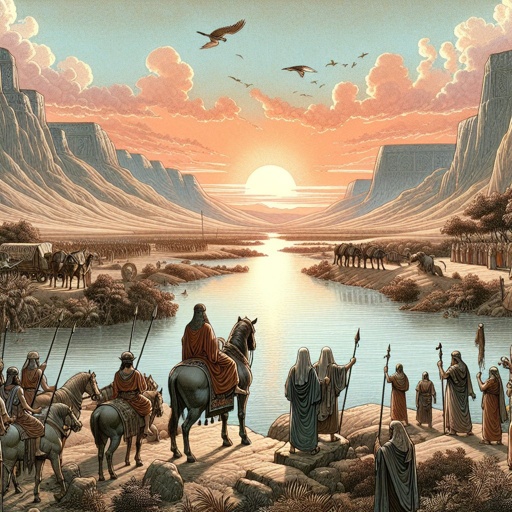
Genesis 36:37 - "And Samlah died, and Saul of Rehoboth by the river reigned in his stead."

Joshua 15:36 - "And Sharaim, and Adithaim, and Gederah, and Gederothaim; fourteen cities with their villages:"

Genesis 36:33 - "And Bela died, and Jobab the son of Zerah of Bozrah reigned in his stead."

Genesis 36:38 - "And Saul died, and Baal-hanan the son of Achbor reigned in his stead."

Genesis 36:21 - "And Dishon, and Ezer, and Dishan: these are the dukes of the Horites, the children of Seir in the land of Edom."

Genesis 36:32 - "And Bela the son of Beor reigned in Edom: and the name of his city was Dinhabah."