What does Genesis 36:29 mean?
“These are the dukes that came of the Horites; duke Lotan, duke Shobal, duke Zibeon, duke Anah,” — Genesis 36:29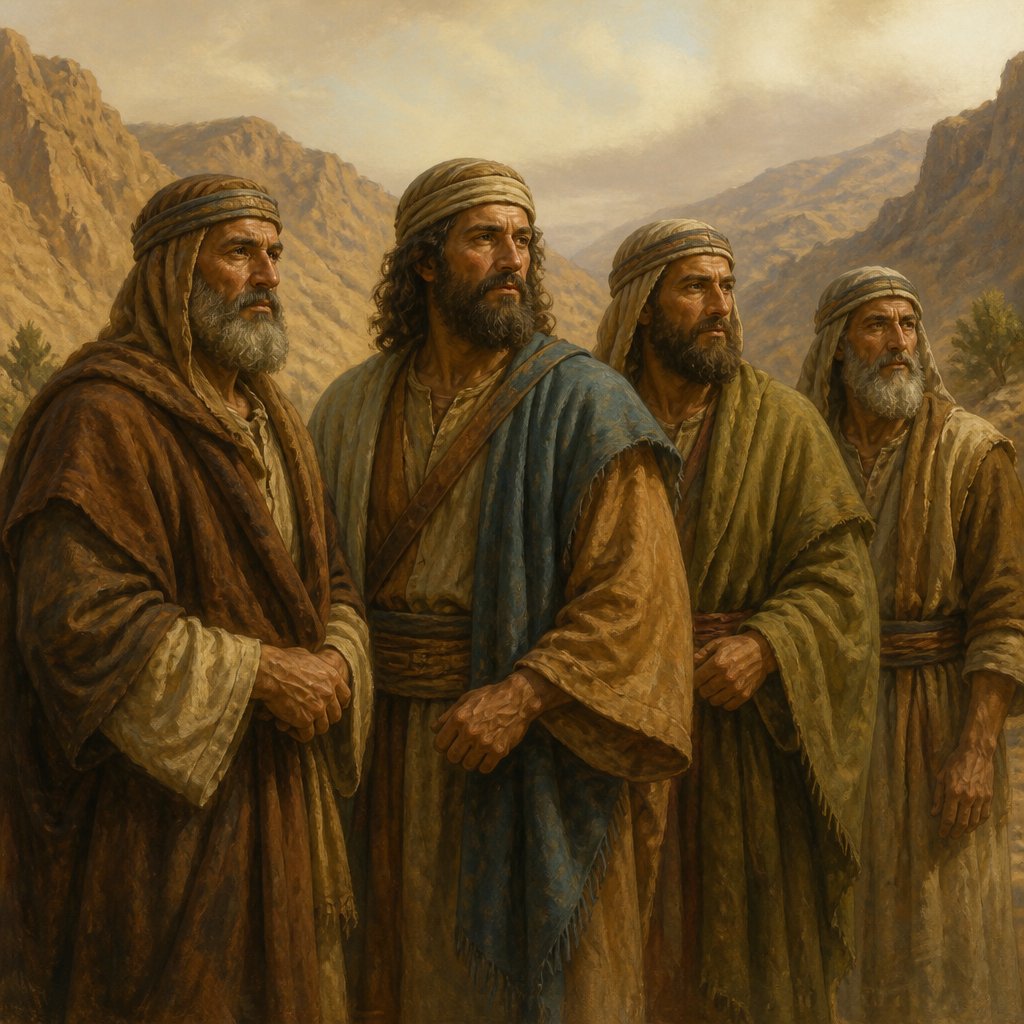
Genesis 36:29 in the King James Version reads: "These are the dukes that came of the Horites; duke Lotan, duke Shobal, duke Zibeon, duke Anah."
In the book of Genesis, Chapter 36 provides a detailed genealogy of Esau, the elder son of Isaac and brother of Jacob. This verse specifically mentions the Horites, who were the original inhabitants of the land of Edom before the Edomites, who were the descendants of Esau, took over. The verse lists four Horite dukes: Lotan, Shobal, Zibeon, and Anah.
The mention of "dukes" in this verse refers to leaders or chiefs of the Horite people. In biblical times, a duke was a title given to a ruler or a person of high rank. This lineage of dukes is presented as a way to establish the historical and tribal heritage of the Horites and the Edomites. It also serves to demonstrate the fulfillment of God's promises to Esau, as his descendants established themselves in the land of Edom.
The broader context of this verse is the narrative of the descendants of Esau, who established the nation of Edom. The genealogy presented in Chapter 36 is important in establishing the legitimacy and historical roots of the Edomite people. It also serves as a reminder of God's faithfulness in fulfilling his promises to the descendants of Esau, despite the conflicts and struggles they faced.
One of the key themes in this verse and the broader passage is the faithfulness of God in fulfilling his promises. Throughout the book of Genesis, God consistently fulfills his promises to the patriarchs and their descendants. In the case of Esau, God had promised that he would be blessed and would eventually establish his own nation. The detailed genealogy of Esau's descendants, including the Horites, serves as a testament to God's faithfulness in fulfilling this promise.
Another theme in this verse is the concept of leadership and lineage. The mention of the dukes of the Horites highlights the importance of leadership and the establishment of tribal or national identities. The concept of leadership and rulership is significant throughout the Bible, and this verse serves as a reminder of the importance of strong and just leadership within a community or nation.
Symbolism in this verse can be found in the names of the dukes mentioned: Lotan, Shobal, Zibeon, and Anah. In biblical times, names often carried symbolic or prophetic meanings. For example, "Lotan" means "covering" or "veil," which could be symbolic of protection or concealment. "Shobal" means "flowing" or "captivity," which could symbolize the ebb and flow of life's circumstances. "Zibeon" means "colored," which could symbolize diversity or uniqueness. "Anah" means "answer" or "affliction," which could symbolize seeking God's response in times of trouble. These symbolic meanings add depth and complexity to the narrative, allowing for deeper interpretation and understanding of the text.
In conclusion, Genesis 36:29, with its mention of the dukes of the Horites, is a significant verse within the broader context of the genealogy of Esau's descendants. It serves as a reminder of God's faithfulness in fulfilling his promises, the importance of leadership and lineage, and the deep symbolism present within biblical names. This verse contributes to the overall narrative of the establishment of the nation of Edom and the fulfillment of God's plan for the descendants of Esau.
Get our apps


Artwork for Genesis 36:29

Genesis 36:29 - "These are the dukes that came of the Horites; duke Lotan, duke Shobal, duke Zibeon, duke Anah,"
"These are the dukes that came of the Horites; duke Lotan, duke Shobal, duke Zibeon, duke Anah," - Genesis 36:29

Genesis 36:36 - "And Hadad died, and Samlah of Masrekah reigned in his stead."

Genesis 24:36

Genesis 19-36

Job 36:29 - "Also can any understand the spreadings of the clouds, or the noise of his tabernacle?"

Genesis 36:28 - "The children of Dishan are these; Uz, and Aran."

"And Hadad died, and Samlah of Masrekah reigned in his stead." - Genesis 36:36

Genesis 36:27 - "The children of Ezer are these; Bilhan, and Zaavan, and Akan."

Genesis 36:19 - "These are the sons of Esau, who is Edom, and these are their dukes."

Genesis 36:3 - "And Bashemath Ishmael's daughter, sister of Nebajoth."

Genesis 36:1 - "Now these are the generations of Esau, who is Edom."

2 Chronicles 29:36 - "And Hezekiah rejoiced, and all the people, that God had prepared the people: for the thing was done suddenly."

Genesis 36:26 - "And these are the children of Dishon; Hemdan, and Eshban, and Ithran, and Cheran."

Genesis 36:42 - "Duke Kenaz, duke Teman, duke Mibzar,"

Genesis 36:9 - "¶ And these are the generations of Esau the father of the Edomites in mount Seir:"

Genesis 36:41 - "Duke Aholibamah, duke Elah, duke Pinon,"

Genesis 19:36 - "Thus were both the daughters of Lot with child by their father."

Genesis 36:8 - "Thus dwelt Esau in mount Seir: Esau is Edom."

Genesis 29:29 - "And Laban gave to Rachel his daughter Bilhah his handmaid to be her maid."

Genesis 29-2

Genesis 29-6

Genesis 29-5

Genesis 42:29

Genesis 29:1

Genesis 29-7

Genesis 18-29

Genesis 36:25 - "And the children of Anah were these; Dishon, and Aholibamah the daughter of Anah."

Genesis 36:4 - "And Adah bare to Esau Eliphaz; and Bashemath bare Reuel;"

Genesis 26:29