What does Genesis 36:35 mean?
“And Husham died, and Hadad the son of Bedad, who smote Midian in the field of Moab, reigned in his stead: and the name of his city was Avith.” — Genesis 36:35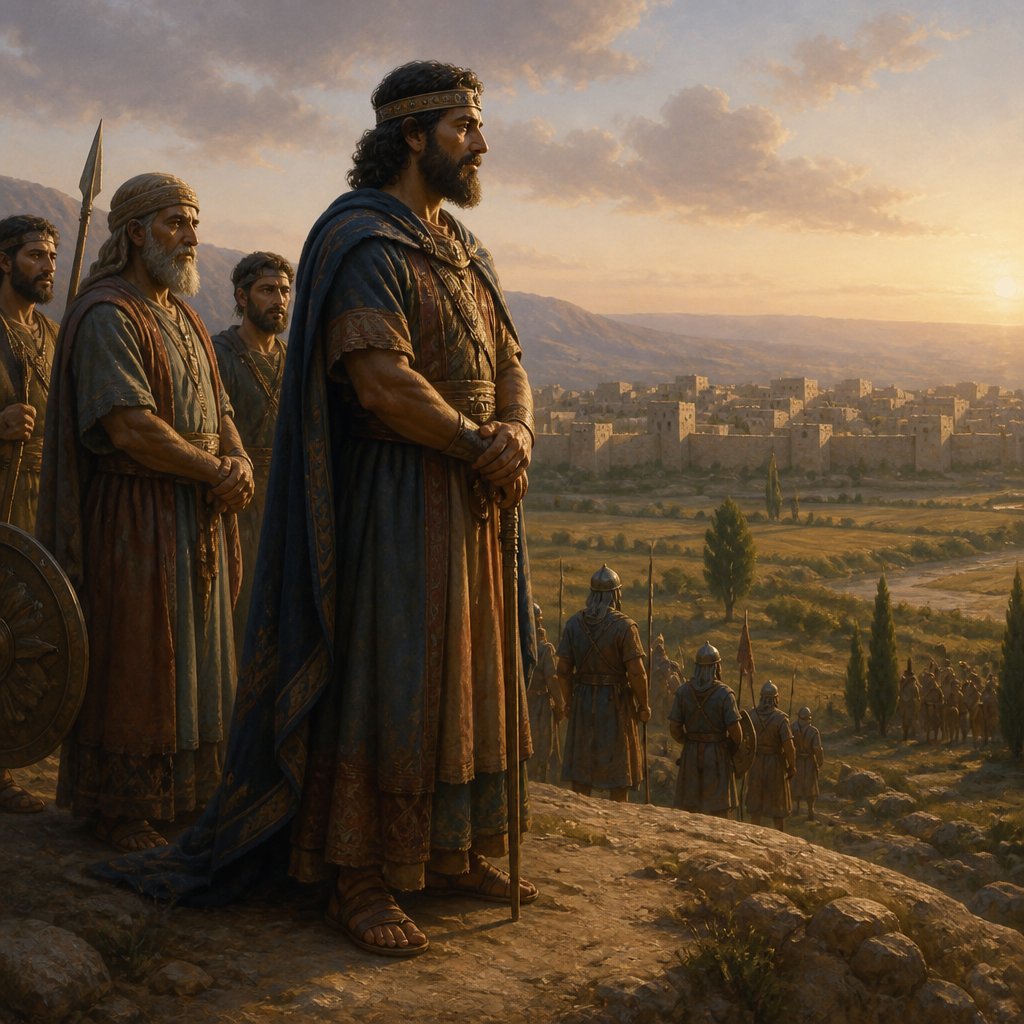
Genesis 36:35 in the King James Version reads, "And Husham died, and Hadad the son of Bedad, who smote Midian in the field of Moab, reigned in his stead: and the name of his city was Avith."
This verse is part of the genealogy of Esau, the elder son of Isaac and the brother of Jacob. In this chapter, the descendants of Esau are listed, showing the fulfillment of God's promise to make his offspring numerous. This verse specifically mentions Husham's death and the succession of Hadad as the ruler in his place.
The theme of succession and the passing of leadership is a prominent one in this verse. The death of Husham represents the natural passing of power from one ruler to another, and the rise of Hadad as the new leader. This theme reflects the ebb and flow of power and authority that is a part of human history and is something that is seen throughout the Bible.
The context of this verse is important to understanding its significance. The entire chapter of Genesis 36 is devoted to the genealogy of Esau, and this verse is just one part of that genealogy. The genealogy serves as a reminder of God's faithfulness in fulfilling his promises to the patriarchs. Despite the ups and downs of human history, God's plan is always at work, and this genealogy is evidence of that.
Symbolism plays a role in this verse as well. The name "Hadad" is of Canaanite origin and is associated with the storm and fertility god in ancient Near Eastern religion. This can be seen as a contrast to the God of Israel, who is the one true God. The rise of Hadad as a ruler in the land of Edom, which was traditional territory of Esau's descendants, may symbolize the influence of foreign gods and cultures on the people of Edom. This serves as a cautionary tale about the dangers of turning away from the one true God.
The city of Avith, mentioned in the verse, is also of significant symbolic importance. The name "Avith" means "ruins" or "waste," which may reflect the state of the city or the spiritual condition of the people living there. This could be a metaphor for the consequences of turning away from God and following foreign gods, as it can lead to destruction and desolation.
In conclusion, Genesis 36:35 is a seemingly simple verse within the larger context of the genealogy of Esau, but it holds deeper meanings related to the themes of succession, God's faithfulness, the dangers of foreign influences, and the consequences of abandoning the one true God. This verse serves as a reminder that God's plan is always at work, despite the ebb and flow of human history, and that the consequences of our choices are significant. It is a call to remain faithful to God and to be cautious of outside influences that may lead us astray.
Get our apps


Artwork for Genesis 36:35

Genesis 36:35 - "And Husham died, and Hadad the son of Bedad, who smote Midian in the field of Moab, reigned in his stead: and the name of his city was Avith."
"And Husham died, and Hadad the son of Bedad, who smote Midian in the field of Moab, reigned in his stead: and the name of his city was Avith." - Genesis 36:35

Genesis 36:36 - "And Hadad died, and Samlah of Masrekah reigned in his stead."

Genesis 24:36

Genesis 19-36

Genesis 19-35

Genesis 26:35

Genesis 31:35

Genesis 24-35

Exodus 36:35 - "¶ And he made a vail of blue, and purple, and scarlet, and fine twined linen: with cherubims made he it of cunning work."

Ezekiel 36:35 - "And they shall say, This land that was desolate is become like the garden of Eden; and the waste and desolate and ruined cities are become fenced, and are inhabited."

genesis 26:1-35

Genesis 35:16-20

Genesis 29:16-35

Genesis 36:28 - "The children of Dishan are these; Uz, and Aran."

Genesis 35:24 - "The sons of Rachel; Joseph, and Benjamin:"

"And Hadad died, and Samlah of Masrekah reigned in his stead." - Genesis 36:36

Genesis 36:27 - "The children of Ezer are these; Bilhan, and Zaavan, and Akan."

Genesis 36:3 - "And Bashemath Ishmael's daughter, sister of Nebajoth."

Genesis 36:19 - "These are the sons of Esau, who is Edom, and these are their dukes."

Genesis 36:1 - "Now these are the generations of Esau, who is Edom."

Genesis 36:26 - "And these are the children of Dishon; Hemdan, and Eshban, and Ithran, and Cheran."

Genesis 36:42 - "Duke Kenaz, duke Teman, duke Mibzar,"

Genesis 36:9 - "¶ And these are the generations of Esau the father of the Edomites in mount Seir:"

Genesis 35:25 - "And the sons of Bilhah, Rachel's handmaid; Dan, and Naphtali:"

Genesis 36:41 - "Duke Aholibamah, duke Elah, duke Pinon,"

Genesis 35:28 - "And the days of Isaac were an hundred and fourscore years."

Genesis 36:8 - "Thus dwelt Esau in mount Seir: Esau is Edom."

Genesis 19:36 - "Thus were both the daughters of Lot with child by their father."

Genesis 26:35 - "Which were a grief of mind unto Isaac and to Rebekah."