What does Genesis 36:7 mean?
"For their riches were more than that they might dwell together; and the land wherein they were strangers could not bear them because of their cattle." - Genesis 36:7
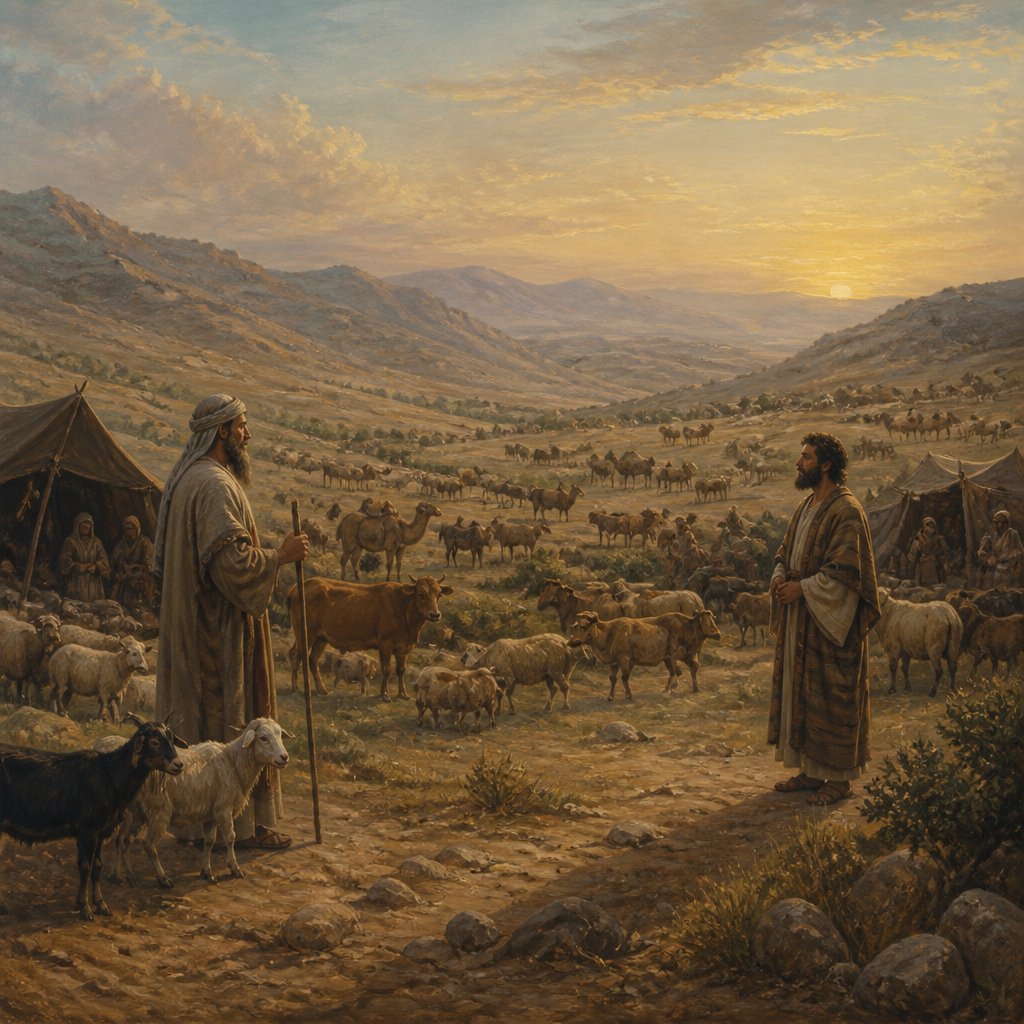
Genesis 36:7 (KJV) - "For their riches were more than that they might dwell together; and the land wherein they were strangers could not bear them because of their cattle."
This verse is found in the book of Genesis, which is the first book of the Bible. It is part of the genealogy of Esau, the older twin brother of Jacob, and it portrays the descendants of Esau and their wealth. The verse is part of a larger narrative that explains how Esau and his descendants became a powerful and prosperous people.
The verse speaks to the immense wealth and abundance of the descendants of Esau. It says that their riches were so great that they could not dwell together in one place, and the land where they were living as strangers could not bear them because of their cattle. In the context of the broader passage, this verse is providing an explanation for the need for the descendants of Esau to disperse and find new lands for themselves.
One of the key themes of this verse is the concept of wealth and abundance. The descendants of Esau are portrayed as having so much wealth that they cannot live together in one place. This speaks to the idea of excess and the challenges that come with managing and maintaining great wealth. It also reflects the biblical principle that wealth and possessions can be a blessing, but they can also present challenges and temptations.
Another theme present in this verse is that of land and inheritance. The verse speaks to the idea that the land where the descendants of Esau were living could not bear them because of their cattle, implying that they needed to find new lands to support their livestock and maintain their wealth. In the biblical context, the idea of land and inheritance is closely tied to God's covenant with His people and the promise of a land of their own. This verse highlights the importance of land and the challenges of managing wealth and possessions in the context of God's promises and blessings.
The verse also speaks to the idea of strangers and sojourners. The descendants of Esau are described as being strangers in the land where they were living, and the land could not bear them. This reflects the biblical theme of the Israelites as strangers and sojourners in the land of Egypt, as well as the broader theme of the temporary nature of human existence. It reminds us that our time on earth is temporary, and we are called to be stewards of the blessings and resources that God has given us.
Symbolically, this verse can be seen as a reflection of the challenges and responsibilities that come with wealth and abundance. It serves as a reminder that great wealth can bring both blessings and burdens, and that it is important to manage our resources wisely and in accordance with God's will. It also speaks to the broader biblical themes of land and inheritance, the temporary nature of human existence, and the importance of being good stewards of God's blessings.
In conclusion, Genesis 36:7 offers a powerful reflection on the themes of wealth, land, and stewardship in the context of God's promises and blessings. It serves as a reminder of the challenges and responsibilities that come with abundance, and the importance of managing our resources wisely and in accordance with God's will. It also speaks to the broader biblical themes of land and inheritance, the temporary nature of human existence, and the importance of being good stewards of God's blessings.
Have questions about Genesis 36:7?
Dive deeper into this scripture with Bible Chat — an AI-powered tool for exploring God's Word through conversation. Ask questions, get context, and grow in your understanding of the Bible.
Get Our Apps


Genesis 36:7 Artwork
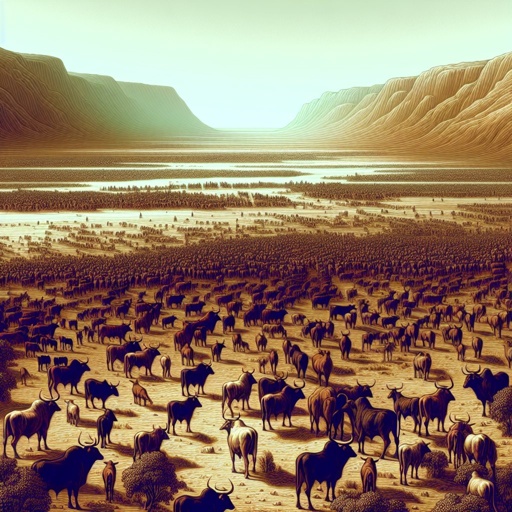
Genesis 36:7 - "For their riches were more than that they might dwell together; and the land wherein they were strangers could not bear them because of their cattle."
"For their riches were more than that they might dwell together; and the land wherein they were strangers could not bear them because of their cattle." - Genesis 36:7

Genesis 36:36 - "And Hadad died, and Samlah of Masrekah reigned in his stead."

Genesis 24:36

Genesis 19-36

Genesis 36:28 - "The children of Dishan are these; Uz, and Aran."

"And Hadad died, and Samlah of Masrekah reigned in his stead." - Genesis 36:36

Genesis 36:27 - "The children of Ezer are these; Bilhan, and Zaavan, and Akan."

Genesis 36:3 - "And Bashemath Ishmael's daughter, sister of Nebajoth."

Genesis 36:19 - "These are the sons of Esau, who is Edom, and these are their dukes."

Genesis 36:1 - "Now these are the generations of Esau, who is Edom."

Genesis 36:26 - "And these are the children of Dishon; Hemdan, and Eshban, and Ithran, and Cheran."

Genesis 36:42 - "Duke Kenaz, duke Teman, duke Mibzar,"

Genesis 36:9 - "¶ And these are the generations of Esau the father of the Edomites in mount Seir:"

Genesis 36:41 - "Duke Aholibamah, duke Elah, duke Pinon,"

Genesis 36:8 - "Thus dwelt Esau in mount Seir: Esau is Edom."

Genesis 19:36 - "Thus were both the daughters of Lot with child by their father."

Luke 7:36-50

Genesis 36:25 - "And the children of Anah were these; Dishon, and Aholibamah the daughter of Anah."

Genesis 36:4 - "And Adah bare to Esau Eliphaz; and Bashemath bare Reuel;"

Luke 7:36–50

Genesis 36:11 - "And the sons of Eliphaz were Teman, Omar, Zepho, and Gatam, and Kenaz."

Genesis 36:23 - "And the children of Shobal were these; Alvan, and Manahath, and Ebal, Shepho, and Onam."

Genesis 36:34 - "And Jobab died, and Husham of the land of Temani reigned in his stead."

Genesis 36:22 - "And the children of Lotan were Hori and Hemam; and Lotan's sister was Timna."
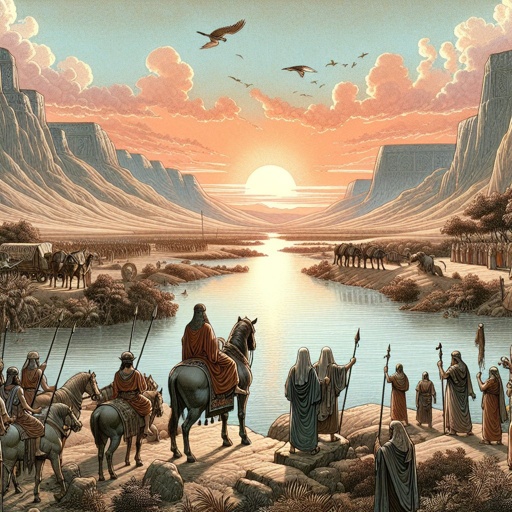
Genesis 36:37 - "And Samlah died, and Saul of Rehoboth by the river reigned in his stead."

Genesis 36:33 - "And Bela died, and Jobab the son of Zerah of Bozrah reigned in his stead."

Genesis 36:38 - "And Saul died, and Baal-hanan the son of Achbor reigned in his stead."

Genesis 36:21 - "And Dishon, and Ezer, and Dishan: these are the dukes of the Horites, the children of Seir in the land of Edom."

Genesis 36:32 - "And Bela the son of Beor reigned in Edom: and the name of his city was Dinhabah."