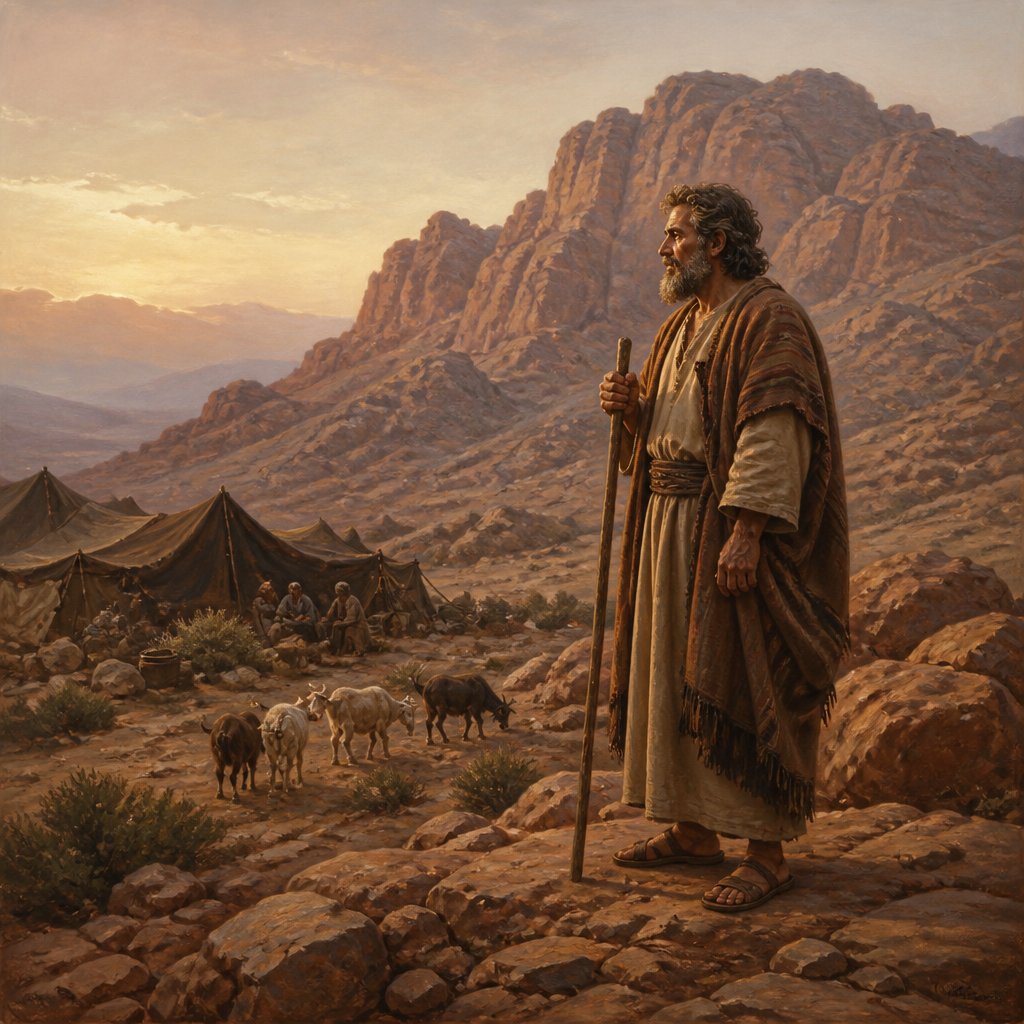
Genesis 36:8 (KJV) states: "Thus dwelt Esau in mount Seir: Esau is Edom."
This verse is a part of the genealogy of Esau, the brother of Jacob, and the founder of the nation of Edom. In order to fully understand the meaning and context of this verse, it is important to look at the broader themes and symbolism found in the book of Genesis.
The book of Genesis is the first book of the Bible and is often referred to as the "book of beginnings." It provides a foundation for understanding the rest of the Bible by introducing key themes such as creation, the fall of humanity, and God's plan for redemption. It also introduces the importance of family, lineage, and covenant relationships.
The specific verse in question, Genesis 36:8, marks the beginning of the lineage of Esau in the land of Edom. Esau, the elder twin brother of Jacob, plays a significant role in the narrative of Genesis. In Genesis 25:23, God tells Rebekah, the mother of Esau and Jacob, that "Two nations are in thy womb, and two manner of people shall be separated from thy bowels; and the one people shall be stronger than the other people; and the elder shall serve the younger." This prophecy sets the stage for the ongoing struggle between the descendants of Esau (the Edomites) and the descendants of Jacob (the Israelites).
The verse also serves as a reminder of the consequences of choices. Esau, as the elder brother, was entitled to the birthright and blessing of his father, Isaac. However, he chose to trade his birthright for a bowl of stew (Genesis 25:29-34), and Jacob, with the help of his mother, deceived Isaac to receive the blessing intended for Esau (Genesis 27). This led to a deep-seated animosity between the brothers and their descendants. The dwelling of Esau in Mount Seir and the establishment of the nation of Edom serve as a physical manifestation of the consequences of these choices.
Mount Seir, where Esau settled, became the homeland of the Edomites. This geographical location and the establishment of a distinct nation symbolize the separation of the Edomites from the Israelites. Throughout the Old Testament, the Edomites and the Israelites often found themselves in conflict, which is reflective of the wider theme of conflict between good and evil, righteousness and unrighteousness.
The verse also carries the theme of God's sovereignty and his faithfulness to fulfill his promises. Despite the rivalry between the descendants of Esau and Jacob, God's plan for redemption was not thwarted. Both nations played a role in the unfolding of God's redemptive plan, with significant figures such as King David and Jesus Christ having Edomite ancestry.
Overall, Genesis 36:8 serves as a pivotal point in the narrative of the book of Genesis, continuing the story of the descendants of Esau and highlighting themes of choice, consequence, conflict, and God's sovereignty. The establishment of Edom and its relationship to Israel also foreshadows the broader themes of redemption and the fulfillment of God's promises found throughout the Bible.
Get our apps


Artwork for Genesis 36:8

Genesis 36:8 - "Thus dwelt Esau in mount Seir: Esau is Edom."
"Thus dwelt Esau in mount Seir: Esau is Edom." - Genesis 36:8

Genesis 36:36 - "And Hadad died, and Samlah of Masrekah reigned in his stead."

Genesis 24:36

Genesis 19-36

Genesis 36:28 - "The children of Dishan are these; Uz, and Aran."

"And Hadad died, and Samlah of Masrekah reigned in his stead." - Genesis 36:36

Genesis 36:27 - "The children of Ezer are these; Bilhan, and Zaavan, and Akan."

Genesis 36:3 - "And Bashemath Ishmael's daughter, sister of Nebajoth."

Genesis 36:19 - "These are the sons of Esau, who is Edom, and these are their dukes."

Genesis 36:1 - "Now these are the generations of Esau, who is Edom."

Genesis 36:26 - "And these are the children of Dishon; Hemdan, and Eshban, and Ithran, and Cheran."

Genesis 36:42 - "Duke Kenaz, duke Teman, duke Mibzar,"

Genesis 36:9 - "¶ And these are the generations of Esau the father of the Edomites in mount Seir:"

Genesis 36:41 - "Duke Aholibamah, duke Elah, duke Pinon,"

Proverbs 8:22-36

Proverbs 8:34-36

Genesis 19:36 - "Thus were both the daughters of Lot with child by their father."

Genesis 36:25 - "And the children of Anah were these; Dishon, and Aholibamah the daughter of Anah."

Genesis 36:4 - "And Adah bare to Esau Eliphaz; and Bashemath bare Reuel;"

Genesis 36:11 - "And the sons of Eliphaz were Teman, Omar, Zepho, and Gatam, and Kenaz."

Job 36:8 - "And if they be bound in fetters, and be holden in cords of affliction;"

Genesis 36:23 - "And the children of Shobal were these; Alvan, and Manahath, and Ebal, Shepho, and Onam."

Genesis 36:34 - "And Jobab died, and Husham of the land of Temani reigned in his stead."

Genesis 36:22 - "And the children of Lotan were Hori and Hemam; and Lotan's sister was Timna."
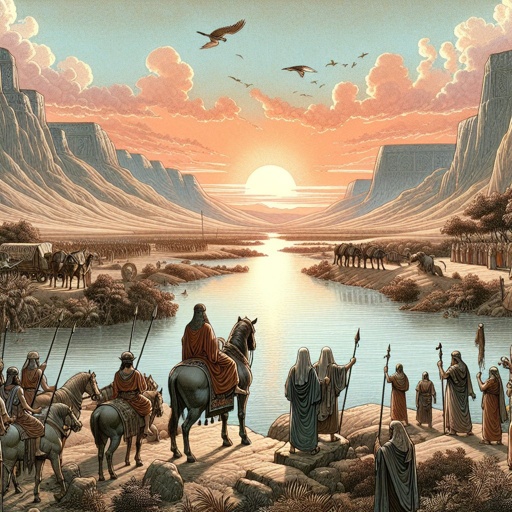
Genesis 36:37 - "And Samlah died, and Saul of Rehoboth by the river reigned in his stead."

Genesis 36:33 - "And Bela died, and Jobab the son of Zerah of Bozrah reigned in his stead."

Genesis 36:38 - "And Saul died, and Baal-hanan the son of Achbor reigned in his stead."

Genesis 36:21 - "And Dishon, and Ezer, and Dishan: these are the dukes of the Horites, the children of Seir in the land of Edom."

Genesis 36:32 - "And Bela the son of Beor reigned in Edom: and the name of his city was Dinhabah."