What does Genesis 38:2 mean?
“And Judah saw there a daughter of a certain Canaanite, whose name was Shuah; and he took her, and went in unto her.” — Genesis 38:2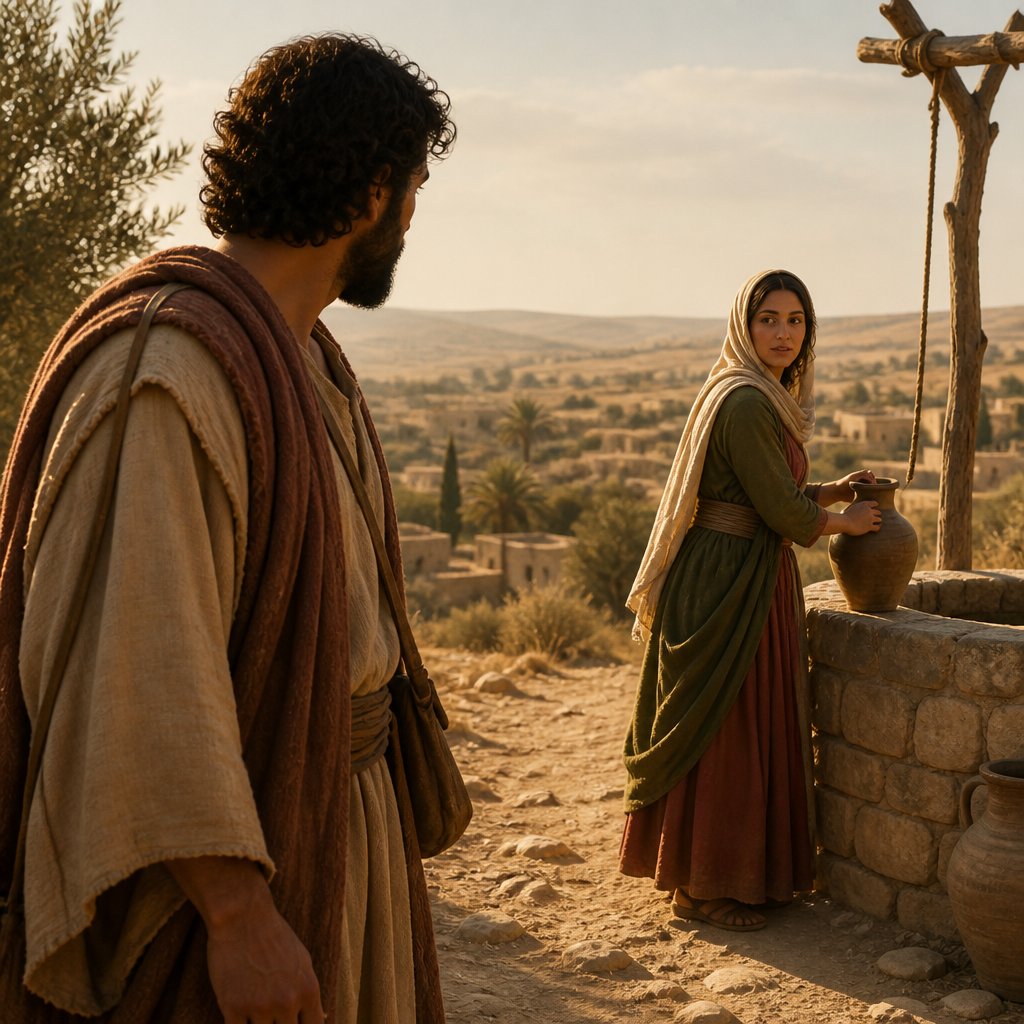
Genesis 38:2 (KJV) says, "And Judah saw there a daughter of a certain Canaanite, whose name was Shuah; and he took her, and went in unto her."
This verse comes from the book of Genesis, which is the first book of the Bible and is credited to Moses. The book of Genesis contains the origins of the world, the human race, and the Israelite nation. It is a foundational text for Judaism, Christianity, and Islam, and is considered by many to hold profound spiritual and historical significance.
In Genesis 38, the focus shifts away from Joseph to tell the story of Judah, one of the sons of Jacob. This verse introduces the narrative by describing Judah's marriage to a Canaanite woman named Shuah. The union between Judah and Shuah leads to the birth of several important figures in the biblical narrative, including Judah's sons Er, Onan, and Shelah.
The context of this verse is important for understanding its significance within the larger biblical narrative. It takes place in a time of great transition for the family of Jacob, as they have recently relocated to the land of Canaan. The intermarriage between Judah and a Canaanite woman raises questions about the cultural and religious identity of the Israelites, as well as their relationships with the surrounding tribes and nations.
One of the key themes in this verse is the tension between cultural identity and assimilation. The Canaanites were a neighboring people with their own distinct customs, beliefs, and practices. By marrying a Canaanite woman, Judah is entering into a relationship that blurs the boundaries between the Israelites and their neighbors. This theme of assimilation versus separation is a recurring concern throughout the Bible, as the Hebrew people struggle to maintain their distinct identity while living among other nations.
The choice of Judah to marry a Canaanite woman also has symbolic significance. In the biblical narrative, the Canaanites are often associated with idolatry and moral corruption. By marrying into a Canaanite family, Judah is straying from the faith and traditions of his own people. This sets the stage for future conflicts and moral dilemmas within Judah's family, which will have far-reaching consequences for the nation of Israel.
Furthermore, the act of "going in unto her" carries connotations of intimacy and sexual relations. The language used in this verse underscores the significance of marriage and procreation within the biblical worldview. In the larger context of the book of Genesis, the theme of lineage and inheritance is paramount, as it determines the future of the Israelite nation and its relationship with God.
In conclusion, Genesis 38:2 presents a crucial moment in the biblical narrative, as it introduces the complex dynamics of intermarriage and cultural assimilation within the family of Jacob. This verse sets the stage for a series of events that will shape the destiny of the Israelite people and their relationship with the surrounding nations. It also highlights the profound significance of marriage, family, and lineage in the biblical worldview. As readers engage with this verse, they are invited to consider the themes of cultural identity, moral integrity, and the enduring consequences of personal choices within the grand tapestry of biblical history.
Get our apps


Artwork for Genesis 38:2

Genesis 38:2 - "And Judah saw there a daughter of a certain Canaanite, whose name was Shuah; and he took her, and went in unto her."
"And Judah saw there a daughter of a certain Canaanite, whose name was Shuah; and he took her, and went in unto her." - Genesis 38:2

Genesis 19-38

Genesis 24-38

Genesis 38:6 - "And Judah took a wife for Er his firstborn, whose name was Tamar."

Genesis 38:3 - "And she conceived, and bare a son; and he called his name Er."

Genesis 38:7 - "And Er, Judah's firstborn, was wicked in the sight of the LORD; and the LORD slew him."

Genesis 36:38 - "And Saul died, and Baal-hanan the son of Achbor reigned in his stead."

Genesis 38:27 - "¶ And it came to pass in the time of her travail, that, behold, twins were in her womb."

Genesis 38:4 - "And she conceived again, and bare a son; and she called his name Onan."

Genesis 38:10 - "And the thing which he did displeased the LORD: wherefore he slew him also."

Acts 2:38

Acts 2:38

Acts 2:38

Acts 2:38

Acts 2:38

Acts 2:38

Acts 2:38

Acts 2:38

Acts 2:38

Acts 2:38

Acts 2:38

Acts 2:38

Acts 2:38

Acts 2:38

Acts 2:38

Acts 2:38

Acts 2:38

Acts 2:38

Acts 2:38