What does Genesis 3:14 mean?
"And the LORD God said unto the serpent, Because thou hast done this, thou art cursed above all cattle, and above every beast of the field; upon thy belly shalt thou go, and dust shalt thou eat all the days of thy life:" - Genesis 3:14

Genesis 3:14 in the King James Version of the Bible states, "And the Lord God said unto the serpent, Because thou hast done this, thou art cursed above all cattle, and above every beast of the field; upon thy belly shalt thou go, and dust shalt thou eat all the days of thy life." This verse comes from the third chapter of the book of Genesis, which is the first book in the Bible and is commonly known as the story of Adam and Eve and the fall of man.
The context of Genesis 3:14 is that it follows the disobedience of Adam and Eve in the Garden of Eden. After being tempted by the serpent (the devil in disguise), Adam and Eve ate the forbidden fruit, breaking God's command not to eat from the tree of the knowledge of good and evil. As a result of their disobedience, they were punished and banished from the Garden of Eden. This verse specifically addresses the serpent, who was used as a vessel by Satan to deceive Eve.
The statement "Because thou hast done this" indicates that the serpent's actions have brought about a significant consequence. The serpent is cursed above all cattle and every beast of the field. This signifies that the serpent, who was once considered a crafty and cunning creature, will now be held in contempt and low regard. The curse placed upon the serpent is considered a symbolic representation of Satan's downfall and ultimate defeat by God.
The phrase "upon thy belly shalt thou go" is often interpreted as a physical change to the serpent's form as a result of the curse. This is taken to mean that the serpent, which may have originally moved in a different manner, is now forced to crawl upon its belly as a form of punishment and humiliation. The mention of "dust shalt thou eat all the days of thy life" further emphasizes the degradation and humiliation of the serpent. It is a symbol of the serpent's defeat and degradation, signifying that it will live in a state of perpetual degradation.
In a broader sense, Genesis 3:14 also serves as a foreshadowing of the eventual defeat of Satan. The serpent's curse represents God's promise of victory over evil and the eventual redemption of humanity through the coming of Jesus Christ. This verse sets the stage for the ongoing spiritual battle between good and evil, with the ultimate triumph of righteousness and God's plan for salvation.
The themes of disobedience, consequences, and redemption are evident in this verse. The disobedience of Adam and Eve led to significant consequences not only for themselves but also for the serpent and all of humanity. This act of disobedience introduces the concept of sin and the need for redemption, which is ultimately fulfilled through the sacrifice of Jesus Christ. The curse placed upon the serpent serves as a reminder of the ongoing battle between good and evil and the eventual victory of God.
In conclusion, Genesis 3:14 carries a significant amount of symbolism and foreshadowing within its words. It sets the stage for the ongoing struggle between good and evil and serves as a reminder of the consequences of disobedience. Ultimately, it points to the redemptive plan of God and the eventual defeat of Satan. This verse serves as a foundational element of the Christian faith, emphasizing the need for obedience to God and the hope of redemption through Christ.
Have questions about Genesis 3:14?
Dive deeper into this scripture with Bible Chat — an AI-powered tool for exploring God's Word through conversation. Ask questions, get context, and grow in your understanding of the Bible.
Get Our Apps


Genesis 3:14 Artwork

Genesis 3:14 - "And the LORD God said unto the serpent, Because thou hast done this, thou art cursed above all cattle, and above every beast of the field; upon thy belly shalt thou go, and dust shalt thou eat all the days of thy life:"

"And the LORD God said unto the serpent, Because thou hast done this, thou art cursed above all cattle, and above every beast of the field; upon thy belly shalt thou go, and dust shalt thou eat all the days of thy life:" - Genesis 3:14

Genesis 14:3 - "All these were joined together in the vale of Siddim, which is the salt sea."

Genesis 14:3 All these were joined together in the vale of Siddim, which is the salt sea.
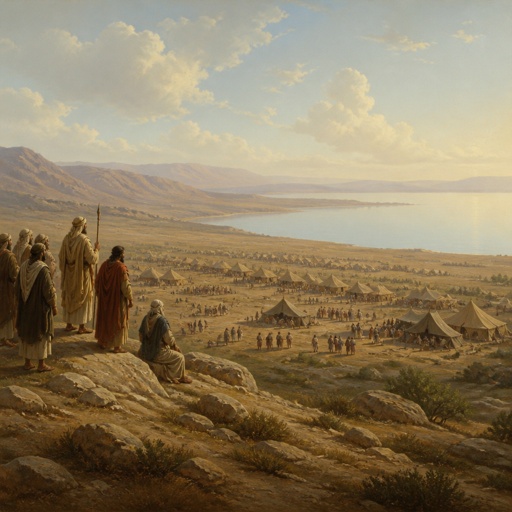
"All these were joined together in the vale of Siddim, which is the salt sea." - Genesis 14:3

Genesis 22 14

Genesis 21:14

Genesis 19-14

Genesis 25-14

Genesis 15:14

Genesis 23-14

Genesis 24-14

Genesis 22-14

Genesis 17-14

Genesis 16:14

Genesis 20-14

Genesis 28-14

Genesis 18-14

Genesis 25:14 - "And Mishma, and Dumah, and Massa,"

Genesis 1:10-14

Genesis 18:9-14

Genesis 14:1-2

Genesis 18:1-14

Genesis 18:11-14

Genesis 22:1-14

Genesis 3

Genesis 46:14 - "¶ And the sons of Zebulun; Sered, and Elon, and Jahleel."

Genesis 23:14 - "And Ephron answered Abraham, saying unto him,"

Genesis 3:8

Genesis 18-3