What does Genesis 4:18 mean?
"And unto Enoch was born Irad: and Irad begat Mehujael: and Mehujael begat Methusael: and Methusael begat Lamech." - Genesis 4:18
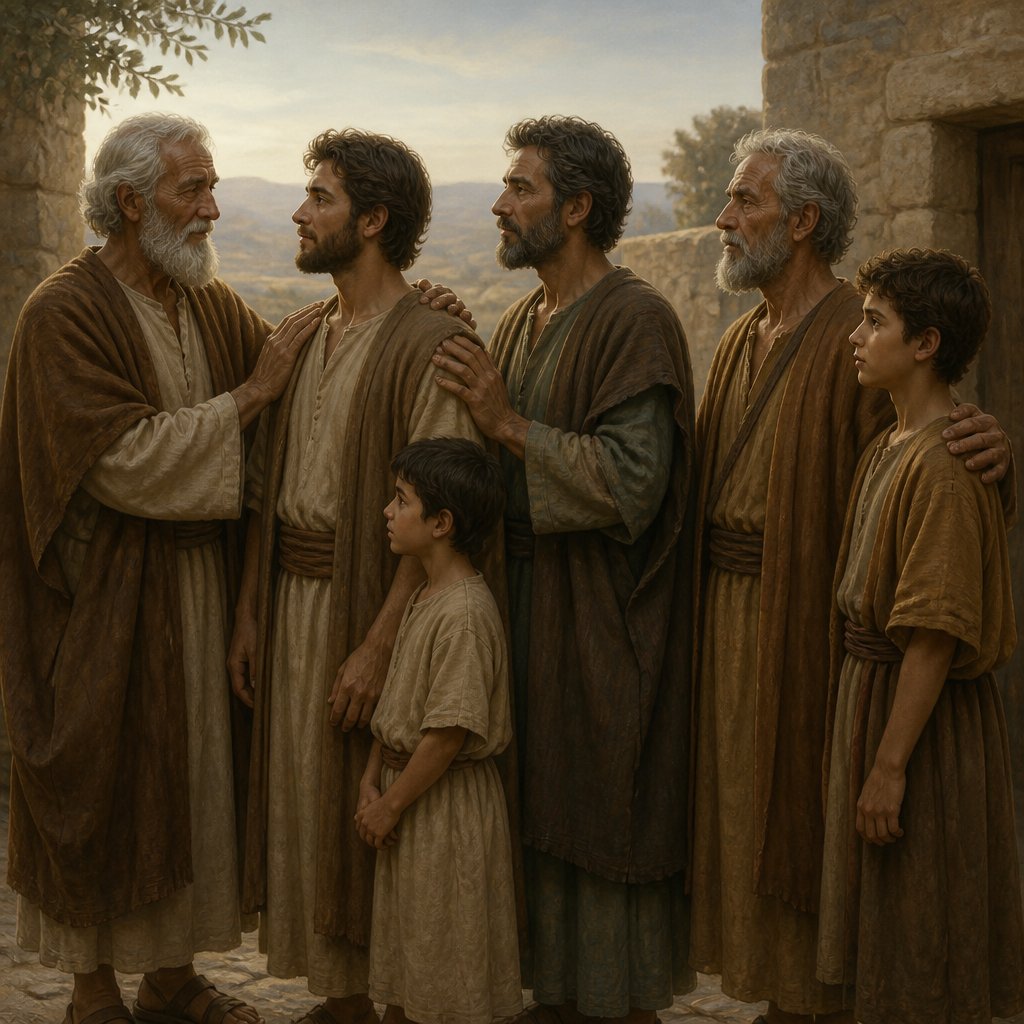
Genesis 4:18 (KJV) reads: "And unto Enoch was born Irad: and Irad begat Mehujael: and Mehujael begat Methusael: and Methusael begat Lamech."
This verse is a part of the genealogy of Cain, the son of Adam and Eve. It describes the lineage of Cain's descendants, listing the names of his descendants up to Lamech.
In order to truly understand the significance of this verse in the context of the book of Genesis and the Bible as a whole, it is important to consider the broader themes and context of the story of Cain and Abel, which precedes this verse. In Genesis 4:1-16, we read about the story of Cain and Abel, the sons of Adam and Eve. Both brothers brought offerings to God, but God favored the sacrifice of Abel over that of Cain. In a fit of jealousy and anger, Cain kills his brother Abel and is subsequently banished by God. The story of Cain and Abel is a cautionary tale about the destructive power of jealousy, anger, and uncontrolled emotions.
The verse following the one in question describes the birth of another son to Lamech, who was the first man in the Bible to practice polygamy. This highlights the theme of the corruption of man and the increasing wickedness in the lineage of Cain. Earlier in Genesis, we see a sharp contrast in the lineage of Seth, the third son of Adam and Eve. Through Seth’s lineage, we see the preservation of the godly line of Adam. Whereas, through Cain's lineage, we see the proliferation of evil and immorality.
In the broader context of the Bible, this genealogy sets the stage for the ongoing struggle between good and evil, between the descendants of Adam and Eve who follow God and those who rebel against him. The implication of the genealogy is a demonstration of the fulfillment of the promise of God made in the Garden of Eden in Genesis 3:15, where God foretells that there will be enmity between the descendants of the serpent and the descendants of the woman.
The symbolism in this verse is profound. It highlights the sinful nature of humanity and the consequences of that sin. The genealogy of Cain emphasizes the inherent and spreading evil within humanity, a theme that is consistent throughout the Bible. The names mentioned in this genealogy have symbolic meanings, which further enrich the understanding of this verse. For example, Irad means "fleet, wild donkey", which could be symbolic of the unpredictable and untamed nature of Cain's descendants. Mehujael means "smitten by God", which conveys the idea of divine judgment upon evil. Methusael means "man of God", perhaps indicating a mix of righteous and unrighteous qualities. Lamech means "powerful, strong", and his multiple marriages and his boastful song in verses 23-24 suggests his prideful defiance against God’s plan for one man and one woman in marriage, leading to further moral corruption.
Overall, this verse serves as a reminder of the continued downfall of humanity due to sin. Through the genealogy of Cain, the Bible portrays the consequences of a life lived apart from God, and it contrasts this with the promise of redemption and restoration found in the genealogy of Seth and ultimately in Jesus Christ. This verse and its surrounding context serve as a part of the larger narrative of the human condition and the ongoing spiritual battle between good and evil.
Have questions about Genesis 4:18?
Dive deeper into this scripture with Bible Chat — an AI-powered tool for exploring God's Word through conversation. Ask questions, get context, and grow in your understanding of the Bible.
Get Our Apps


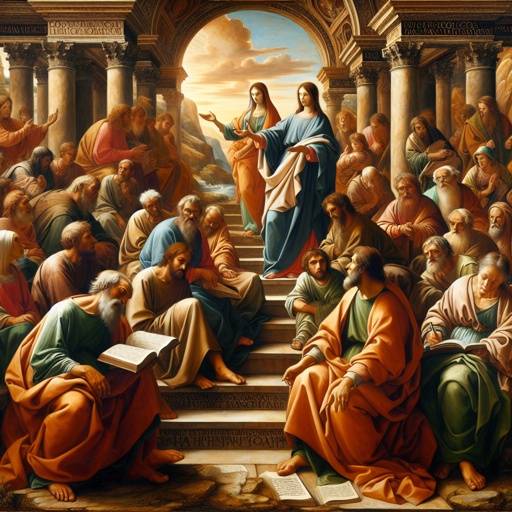
Genesis 4:18 Artwork

Genesis 4:18 - "And unto Enoch was born Irad: and Irad begat Mehujael: and Mehujael begat Methusael: and Methusael begat Lamech."
"And unto Enoch was born Irad: and Irad begat Mehujael: and Mehujael begat Methusael: and Methusael begat Lamech." - Genesis 4:18

Genesis 18-4
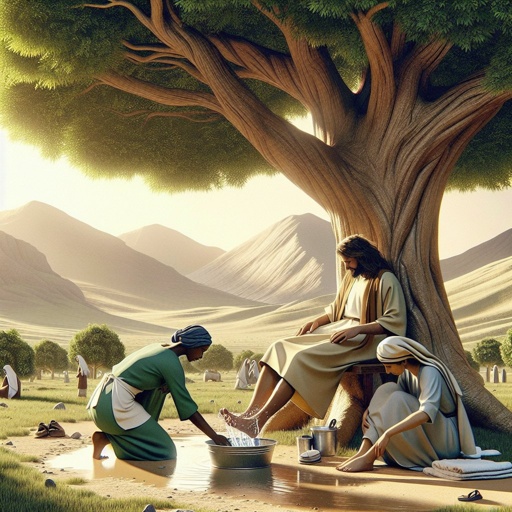
Genesis 18:4 - "Let a little water, I pray you, be fetched, and wash your feet, and rest yourselves under the tree:"
Genesis 18-18

Genesis 24-18

Genesis 18-12

Genesis 18-26

Genesis 17-18

Genesis 18-32

Genesis 18-30

Genesis 18-25

Genesis 26:18

Genesis 22-18

Genesis 18-10

Genesis 18-16

Genesis 18:25

Genesis 18-9

Genesis 18-2

Genesis 18-19
Genesis 15:18

Genesis 18-1

Genesis 23-18

Genesis 18-28

Genesis 18-14

Genesis 25-18

Genesis 18-22

Genesis 20-18

Genesis 18-3

Genesis 18-17