What does Genesis 4:5-7 mean?
"But unto Cain and to his offering he had not respect. And Cain was very wroth, and his countenance fell. And the Lord said unto Cain, Why art thou wroth? and why is thy countenance fallen? If thou doest well, shalt thou not be accepted? and if thou doest not well, sin lieth at the door. And unto thee shall be his desire, and thou shalt rule over him." - Genesis 4:5-7
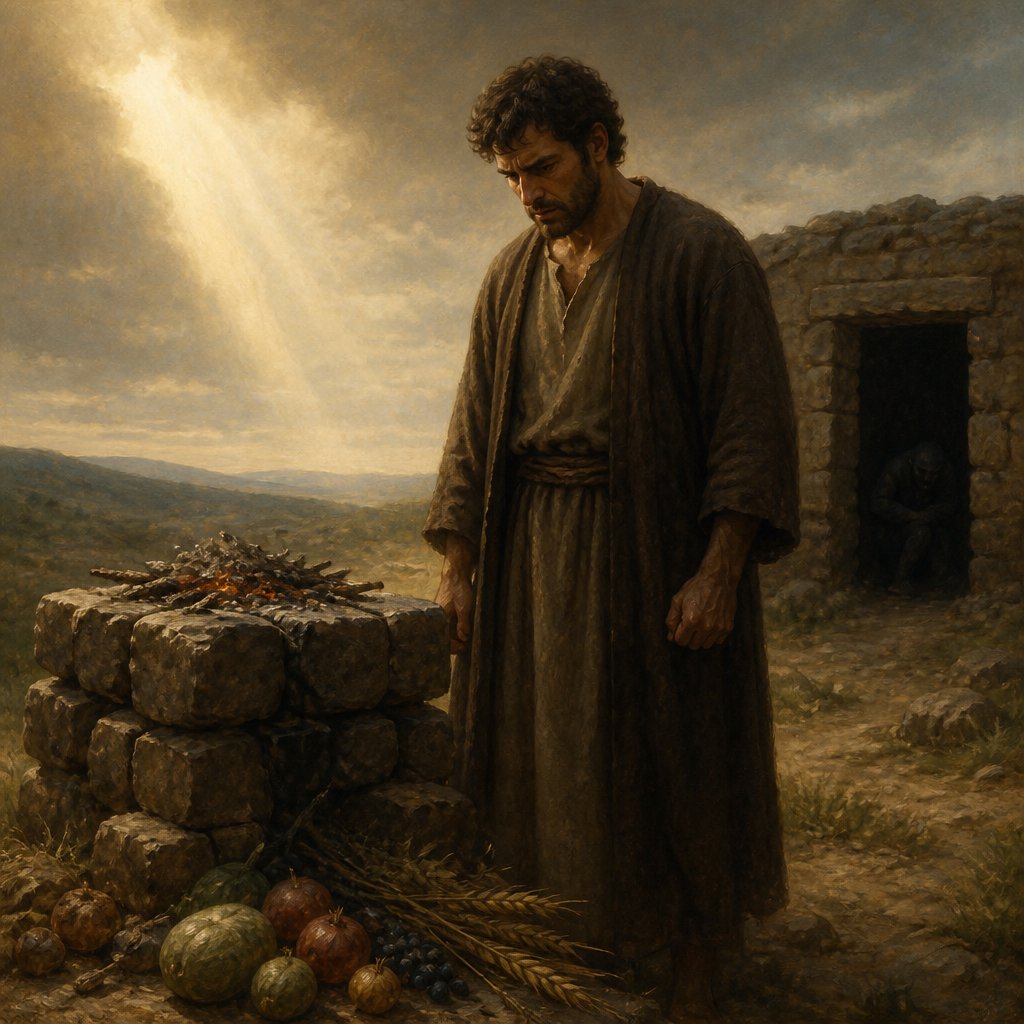
Genesis 4:5-7 (KJV) states, "But unto Cain and to his offering he had not respect. And Cain was very wroth, and his countenance fell. And the Lord said unto Cain, Why art thou wroth? and why is thy countenance fallen? If thou doest well, shalt thou not be accepted? and if thou doest not well, sin lieth at the door. And unto thee shall be his desire, and thou shalt rule over him."
This passage from the book of Genesis delves deep into the story of Cain and Abel, the sons of Adam and Eve. It sheds light on the consequences of jealousy, anger, and sin, and provides a significant moral lesson for the readers.
The context of these verses is fundamental to understanding their meaning. Prior to this passage, Cain and Abel had both brought offerings to the Lord – Abel's offering was accepted by God, while Cain's was not. This rejection led Cain to feel jealous and angry towards his brother and ultimately towards God. God, in his mercy, confronts Cain about his emotions and warns him about the potential consequences of allowing sin to take hold of his heart.
One of the themes that stands out in this passage is the concept of acceptance and rejection. Cain's offering was rejected by God, leading to feelings of inadequacy and resentment. This rejection ultimately led to Cain's downfall. From a Christian perspective, this teaches us the significance of doing things with a pure heart and the consequences of allowing negativity to fester within us.
The passage also illuminates the destructive power of jealousy and anger. Cain's jealousy towards his brother Abel ultimately leads to an act of violence – he kills his own brother out of envy and anger. This serves as a stark reminder of the devastating consequences of allowing negative emotions to consume us. It warns us about the danger of allowing these emotions to control our actions, as they can lead to irreversible damage.
God's words to Cain in these verses also emphasize the importance of making the right choices. He tells Cain, "If thou doest well, shalt thou not be accepted? and if thou doest not well, sin lieth at the door." This conveys the message that we are accountable for our actions. We have the power to choose between right and wrong, and our choices have consequences. It highlights the idea that we are responsible for our own decisions and the subsequent outcomes.
The symbolism in these verses is significant as well. The phrase "sin lieth at the door" is a powerful metaphor that illustrates how sin is constantly lurking, waiting to enter our hearts and lead us astray. This imagery serves as a warning about the ever-present temptation to fall into sin and the importance of resisting it.
Additionally, the idea of "his desire" and "ruling over him" is often interpreted as a reference to sin's desire for Cain and his need to exercise control over it. This reinforces the notion that we have the power to overcome sin, but it requires conscious effort and self-discipline.
In conclusion, Genesis 4:5-7 from the King James Version of the Bible provides valuable insights into the consequences of jealousy, anger, and sin, as well as the significance of making the right choices. Through the story of Cain and Abel, it offers a timeless lesson about the destructive nature of negative emotions and the importance of guarding our hearts against sin. It serves as a poignant reminder of the power of our choices and the responsibility we have to resist temptation and strive for righteousness.
Have questions about Genesis 4:5-7?
Dive deeper into this scripture with Bible Chat — an AI-powered tool for exploring God's Word through conversation. Ask questions, get context, and grow in your understanding of the Bible.
Get Our Apps


Genesis 4:5-7 Artwork

Genesis 4:5-7 - "But unto Cain and to his offering he had not respect. And Cain was very wroth, and his countenance fell. And the Lord said unto Cain, Why art thou wroth? and why is thy countenance fallen? If thou doest well, shalt thou not be accepted? and if thou doest not well, sin lieth at the door. And unto thee shall be his desire, and thou shalt rule over him."
"But unto Cain and to his offering he had not respect. And Cain was very wroth, and his countenance fell. And the Lord said unto Cain, Why art thou wroth? and why is thy countenance fallen? If thou doest well, shalt thou not be accepted? and if thou doest not well, sin lieth at the door. And unto thee shall be his desire, and thou shalt rule over him." - Genesis 4:5-7

Genesis 4:5 - "But unto Cain and to his offering he had not respect. And Cain was very wroth, and his countenance fell."

Genesis 7:5 - "And Noah did according unto all that the LORD commanded him."
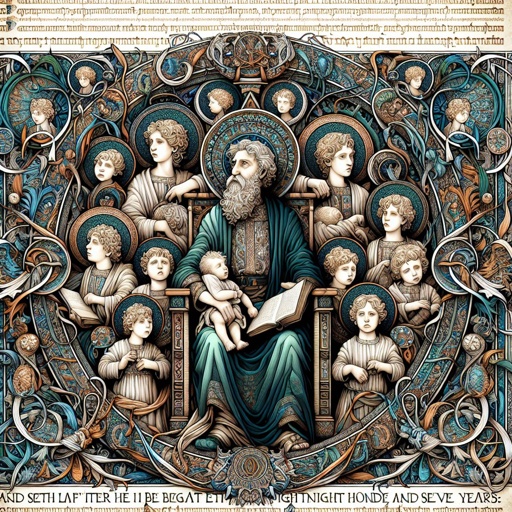
Genesis 5:7 - "And Seth lived after he begat Enos eight hundred and seven years, and begat sons and daughters:"
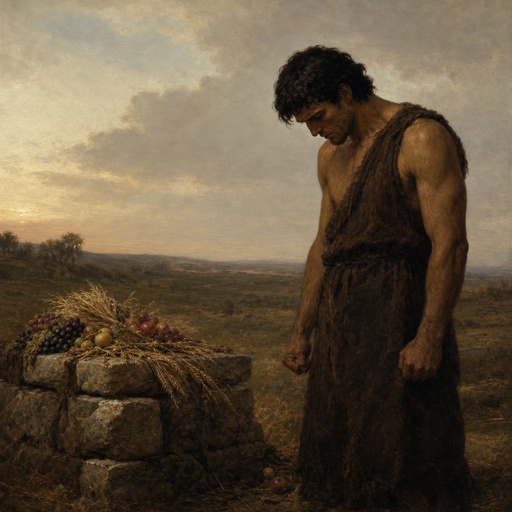
"But unto Cain and to his offering he had not respect. And Cain was very wroth, and his countenance fell." - Genesis 4:5

Genesis 5:4 - "And the days of Adam after he had begotten Seth were eight hundred years: and he begat sons and daughters:"
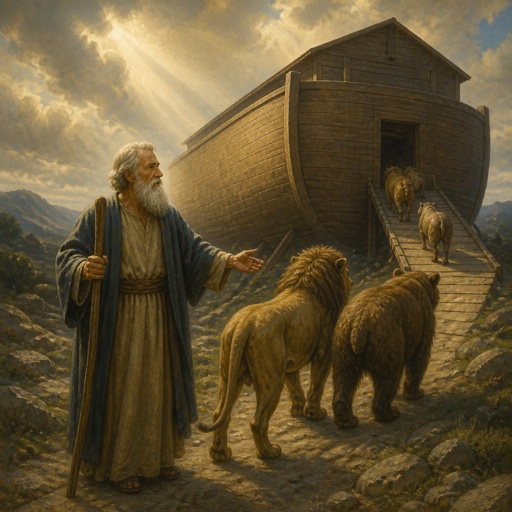
"And Noah did according unto all that the LORD commanded him." - Genesis 7:5

1 Corinthians 13:4-7 - "4 Love is patient, love is kind. It does not envy, it does not boast, it is not proud. 5 It does not dishonor others, it is not self-seeking, it is not easily angered, it keeps no record of wrongs. 6 Love does not delight in evil but rejoices with the truth. 7 It always protects, always trusts, always hopes, always perseveres."

Genesis 4:7 - "If thou doest well, shalt thou not be accepted? and if thou doest not well, sin lieth at the door. And unto thee shall be his desire, and thou shalt rule over him."

Genesis 7:4 - "For yet seven days, and I will cause it to rain upon the earth forty days and forty nights; and every living substance that I have made will I destroy from off the face of the earth."
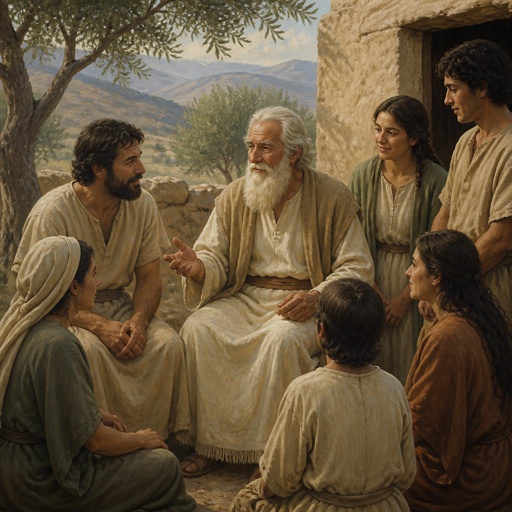
"And Seth lived after he begat Enos eight hundred and seven years, and begat sons and daughters:" - Genesis 5:7

Genesis 24:5

Genesis 27:5

Genesis 17:5

Genesis 20-5

Genesis 11:5

Genesis 22-5

Genesis 1:5

Genesis 11:5

Genesis 11:5

Genesis 23-5

Genesis 25:5

Genesis 21-5

Genesis 16:5

Genesis 11:5

Genesis 1:5

Genesis 19-5

Genesis 29-5

Genesis 1:5