What does Genesis 41:15 mean?
“And Pharaoh said unto Joseph, I have dreamed a dream, and there is none that can interpret it: and I have heard say of thee, that thou canst understand a dream to interpret it.” — Genesis 41:15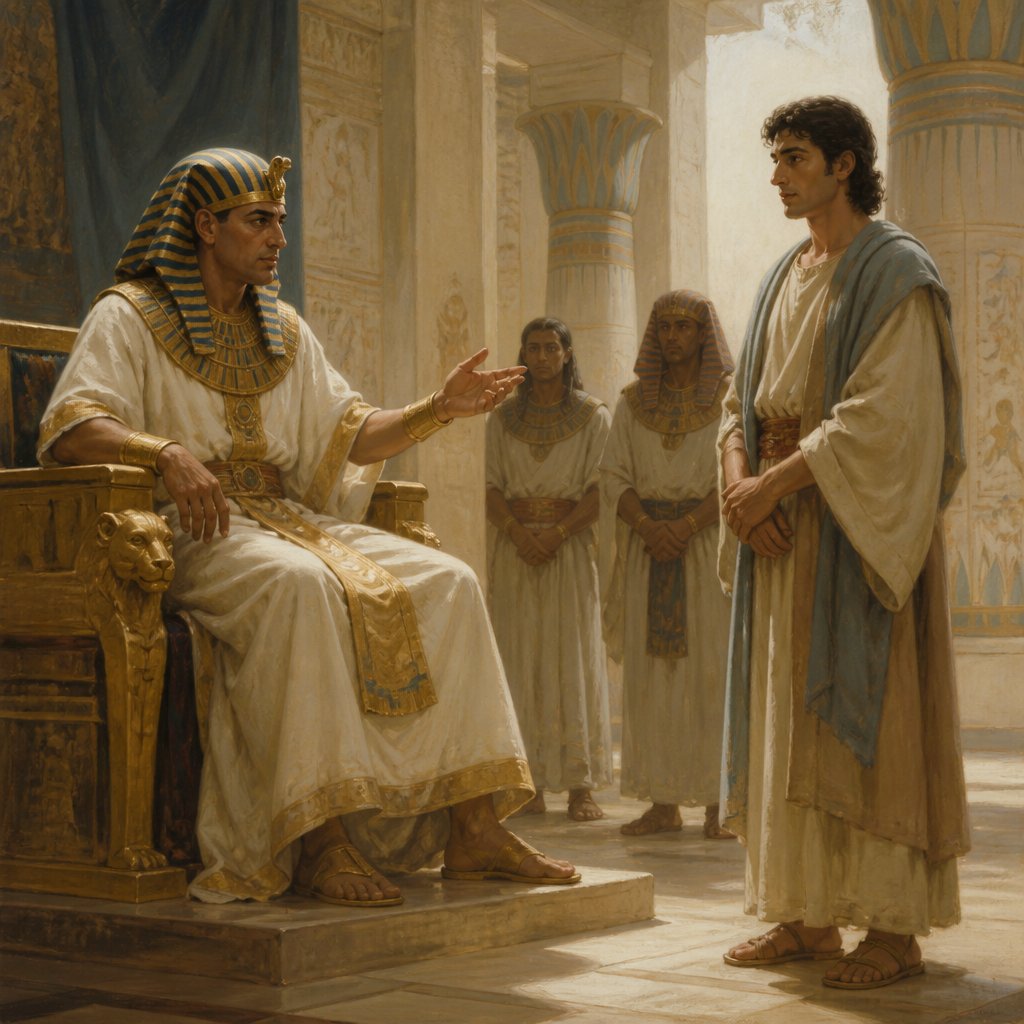
Genesis 41:15 (KJV) reads, "And Pharaoh said unto Joseph, I have dreamed a dream, and there is none that can interpret it: and I have heard say of thee, that thou canst understand a dream to interpret it." This verse is part of the narrative of Joseph's rise to power in Egypt, and it marks a crucial turning point in the story.
The story of Joseph can be found in the book of Genesis, and it is a powerful and dramatic tale of betrayal, forgiveness, and redemption. Joseph, the favored son of Jacob, is sold into slavery by his jealous brothers. However, through a series of divine interventions, Joseph rises to become a powerful figure in Egypt, second only to Pharaoh himself. The story of Joseph is one of the most beloved and enduring narratives in the Bible, and it continues to captivate readers with its themes of divine providence and human resilience.
In Genesis 41:15, Pharaoh, the ruler of Egypt, approaches Joseph with a problem. He has had a troubling dream, and he is seeking someone who can interpret it for him. Pharaoh's recognition of Joseph's ability to interpret dreams is a crucial moment in the story. It sets in motion a chain of events that will eventually lead to Joseph's ascent to power and his reunion with his family.
This verse is significant for several reasons. Firstly, it highlights the theme of divine providence. Throughout the story of Joseph, there is a strong sense that God is working behind the scenes, orchestrating events and guiding Joseph's path. The fact that Pharaoh specifically seeks out Joseph as the one who can interpret his dream suggests that Joseph's abilities are a gift from God, and that he is being used as an instrument of divine will.
Secondly, this verse speaks to the theme of human agency. While God's hand is clearly at work in Joseph's story, the characters also have a role to play. Joseph's willingness to interpret Pharaoh's dream and his subsequent actions will ultimately determine the course of his life. This verse reminds us that while God is ultimately in control, he also allows us to participate in the unfolding of his plan.
This verse also carries important symbolism. Dreams have a significant place in the biblical narrative, often serving as a means of divine communication. In the Old Testament, dreams are frequently used as a way for God to reveal his will to his chosen servants. In the case of Pharaoh's dream, it is a message from God that will have far-reaching implications for the people of Egypt and for Joseph himself.
The story of Joseph and his interpretation of Pharaoh's dream also foreshadows the themes of redemption and reconciliation that will come to fruition later in the narrative. Joseph's ability to interpret the dream will not only save Egypt from famine but also pave the way for his eventual reconciliation with his family. This verse, then, serves as a crucial turning point in the story, setting the stage for the resolution of the conflicts and the realization of God's plan.
In conclusion, Genesis 41:15 is a verse with deep significance in the story of Joseph. It highlights the themes of divine providence, human agency, and the use of dreams as a means of divine communication. It also marks a pivotal moment in the narrative, as it sets in motion the events that will eventually lead to Joseph's rise to power and his ultimate reconciliation with his family. This verse serves as a reminder of God's power to work through human actions and to bring about redemption and reconciliation.
Get our apps


Artwork for Genesis 41:15

Genesis 41:15 - "And Pharaoh said unto Joseph, I have dreamed a dream, and there is none that can interpret it: and I have heard say of thee, that thou canst understand a dream to interpret it."
"And Pharaoh said unto Joseph, I have dreamed a dream, and there is none that can interpret it: and I have heard say of thee, that thou canst understand a dream to interpret it." - Genesis 41:15

Ephesians 4:1-5

Ephesians 4:1-5

Ephesians 4:1-5

Ephesians 4:1-5

Ephesians 4:1-5

Ephesians 4:1-5

Exodus 4:1-5

Ephesians 4:1-5

Ephesians 4:1-5

Ephesians 4:1-5

Ephesians 4:1-5

Ephesians 4:1-5

Ephesians 4:1-5

Ephesians 4:1-5

Ephesians 4:1-5

Ephesians 4:1-5

Ephesians 4:1-5

Ephesians 4:1-5

Ephesians 4:1-5

Ephesians 4:1-5

Ephesians 4:1-5

Ephesians 4:1-5

Ephesians 4:1-5

Ephesians 4:1-5

Ephesians 4:1-5

Ephesians 4:1-5

Ephesians 4:1-5

Genesis 41:41 and make pharaoh black