What does Genesis 41:28 mean?
“This is the thing which I have spoken unto Pharaoh: What God is about to do he sheweth unto Pharaoh.” — Genesis 41:28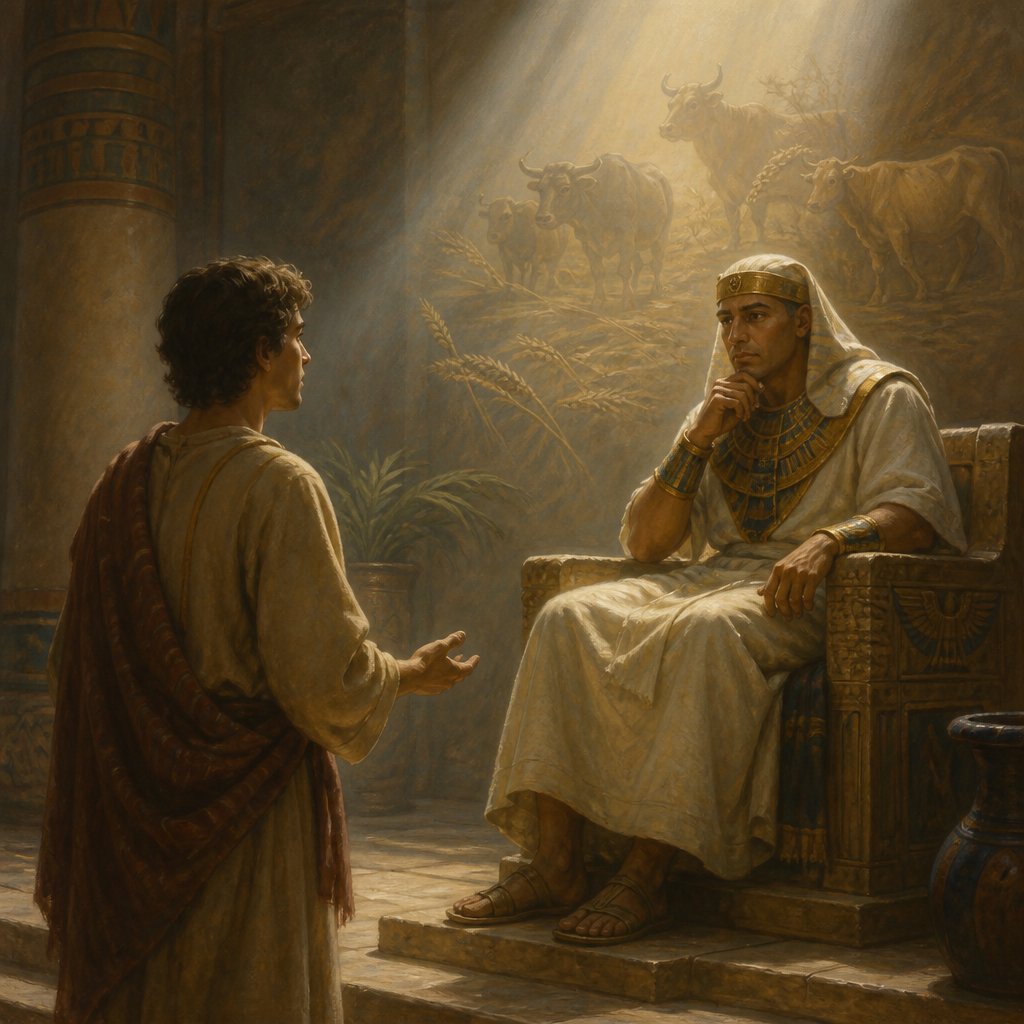
The Bible verse Genesis 41:28 in the King James Version (KJV) reads:
"This is the thing which I have spoken unto Pharaoh: What God is about to do he sheweth unto Pharaoh."
This verse is part of the narrative in the book of Genesis that recounts the rise of Joseph from being a prisoner to becoming a powerful ruler in Egypt. In this particular section, Joseph has been interpreting Pharaoh's dreams and predicting that there will be seven years of abundance followed by seven years of famine. Joseph tells Pharaoh that the dreams are a message from God, and that God is about to reveal to Pharaoh what he is going to do.
This verse is significant because it underscores the belief in God's sovereignty and the idea that God communicates with humanity through various means, including dreams and visions. It also highlights the theme of divine providence and how God can use individuals to fulfill his purposes.
The context of this verse is important for understanding its full meaning. At this point in the narrative, Joseph has endured numerous hardships, including being sold into slavery by his own brothers and being falsely imprisoned. However, through a series of events and divine interventions, Joseph finds himself in a position of influence and power, ultimately becoming the second in command in Egypt. This story serves as a powerful example of how God can work in mysterious ways to bring about his plans and to elevate those who remain faithful to him.
The verse also speaks to the idea of God's revelation and how he communicates his will to human beings. Throughout the Bible, there are numerous instances of God speaking to individuals through dreams, visions, and direct communication. In this particular case, God uses Joseph to convey a message to Pharaoh about the impending famine and the steps that need to be taken to prepare for it. This verse emphasizes the importance of recognizing and interpreting the signs and messages that God provides, as well as the responsibility to act on that knowledge.
Furthermore, the verse reinforces the theme of God's control over the natural world and his ability to intervene in human affairs. In the ancient world, natural phenomena such as famine were often seen as the result of divine action or punishment. By attributing the upcoming famine to God's plan, Joseph is asserting that God has the power to shape the course of events and to use them for his purposes.
Symbolically, this verse can be seen as a reminder of the importance of seeking and discerning God's will in all circumstances. Just as Joseph was able to interpret Pharaoh's dreams and provide guidance based on God's revelation, believers are called to seek God's wisdom and guidance in their own lives. It also serves as a reminder that God often works through unlikely or unexpected means, and that his plans may not always align with human understanding.
In conclusion, Genesis 41:28 in the KJV version is a verse that carries multiple layers of meaning and significance. It emphasizes the themes of divine providence, God's communication with humanity, and his ultimate control over the natural world. It serves as a reminder of the importance of seeking and discerning God's will, as well as the potential for God to use individuals as instruments to fulfill his purposes. This verse continues to be a source of inspiration and encouragement for believers, reflecting the timeless truth of God's sovereignty and his ability to work all things together for good.
Get our apps


Artwork for Genesis 41:28

Genesis 41:28 - "This is the thing which I have spoken unto Pharaoh: What God is about to do he sheweth unto Pharaoh."
"This is the thing which I have spoken unto Pharaoh: What God is about to do he sheweth unto Pharaoh." - Genesis 41:28

Genesis 41:41 and make pharaoh black

Genesis 24-41

Genesis 41:41-42 focus on signet ring

Genesis 41:41 - "And Pharaoh said unto Joseph, See, I have set thee over all the land of Egypt."

Job 41:28 - "The arrow cannot make him flee: slingstones are turned with him into stubble."

Genesis 41:47 - "And in the seven plenteous years the earth brought forth by handfuls."

Genesis 36:41 - "Duke Aholibamah, duke Elah, duke Pinon,"

Deuteronomy 28:41 - "Thou shalt beget sons and daughters, but thou shalt not enjoy them; for they shall go into captivity."

Genesis 41:53 - "¶ And the seven years of plenteousness, that was in the land of Egypt, were ended."

Genesis 41:37 - "¶ And the thing was good in the eyes of Pharaoh, and in the eyes of all his servants."

Isaiah 41:28 - "For I beheld, and there was no man; even among them, and there was no counsellor, that, when I asked of them, could answer a word."

Genesis 41:31 - "And the plenty shall not be known in the land by reason of that famine following; for it shall be very grievous."

Genesis 41:29 - "Behold, there come seven years of great plenty throughout all the land of Egypt:"

Genesis 41:6 - "And, behold, seven thin ears and blasted with the east wind sprung up after them."

Genesis 28-15

Genesis 28-22

Genesis 28-12

Genesis 28-21

Genesis 28-16

Genesis 28-17

Genesis 28:18

Genesis 24:28

Genesis 28:18

Genesis 21:28

Genesis 28-20

Genesis 41:2 - "And, behold, there came up out of the river seven well favoured kine and fatfleshed; and they fed in a meadow."

Genesis 41:26 - "The seven good kine are seven years; and the seven good ears are seven years: the dream is one."

Genesis 41:23 - "And, behold, seven ears, withered, thin, and blasted with the east wind, sprung up after them:"