What does Genesis 46:33 mean?
“And it shall come to pass, when Pharaoh shall call you, and shall say, What is your occupation?” — Genesis 46:33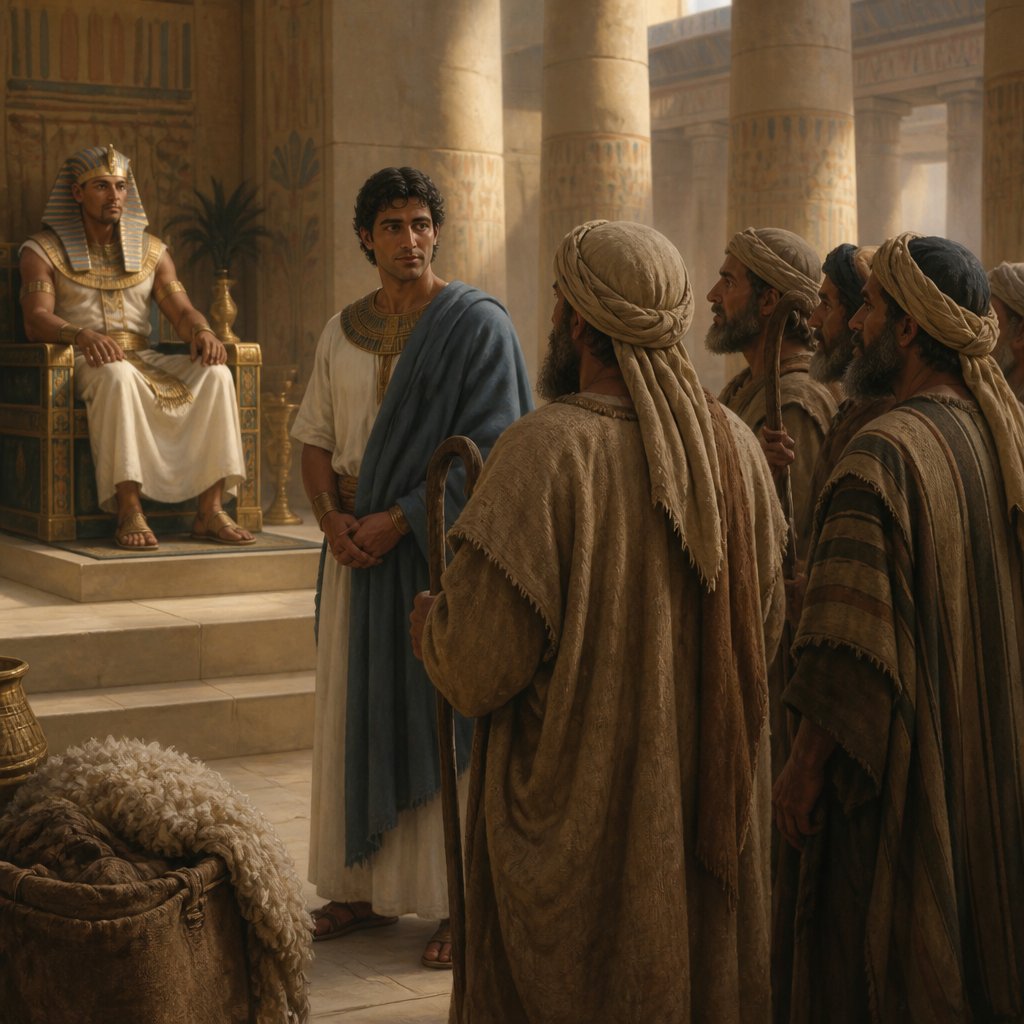
Genesis 46:33 (KJV) says, "And it shall come to pass, when Pharaoh shall call you, and shall say, What is your occupation?"
This verse is part of the story of Joseph, one of the twelve sons of Jacob. Joseph was sold into slavery by his jealous brothers and ended up in Egypt, where he eventually rose to a position of power and influence. In Chapter 46 of Genesis, Jacob and his entire family move to Egypt to escape a famine in their own land.
The context of this verse is that Jacob is instructing his sons on what to say when they arrive in Egypt and are questioned by Pharaoh. He tells them that if Pharaoh asks about their occupation, they should tell him that they are shepherds. This is significant because in ancient Egypt, shepherds were considered an abomination and were looked down upon by the Egyptians. By instructing his sons to say they are shepherds, Jacob is potentially putting them at risk of being rejected or mistreated by the powerful Egyptian ruler.
This verse and its surrounding passage highlight several important themes. One of the main themes is the concept of obedience and trust in God. Jacob is instructing his sons to follow his guidance in order to navigate a potentially dangerous situation. In doing so, he is expressing his belief that God will protect and guide them through their trials in Egypt.
Another theme is the idea of humility and self-sacrifice. Jacob's sons are willing to potentially face rejection and mistreatment in order to obey their father's instructions. This demonstrates a willingness to put their own lives and well-being on the line for the good of their family and their faith in God's plan.
The verse also symbolizes the conflict between the values and beliefs of different cultures. The Egyptians' disdain for shepherds reflects their cultural arrogance and the social hierarchy of the time. By identifying themselves as shepherds, Jacob's sons are subtly challenging the norms and prejudices of the Egyptian society. This serves as a reminder that God's chosen people are not always esteemed by the world, but their value is ultimately defined by their relationship with God.
The passage can also be seen as a foreshadowing of the Israelites' eventual enslavement and mistreatment in Egypt. By identifying themselves as shepherds, Jacob's sons unwittingly align themselves with a despised and marginalized group, which echoes the future struggles of the Israelites in Egypt.
In a broader sense, this verse can be interpreted as a lesson in navigating the challenges of living in a foreign land and facing cultural differences. It serves as a reminder to remain true to one's identity and faith, even in the face of potential rejection or persecution.
In conclusion, Genesis 46:33 presents a rich and complex set of themes and symbols that resonate throughout the broader narrative of the Bible. It speaks to the themes of obedience, humility, cultural conflict, and faith, while also foreshadowing the struggles of the Israelites in Egypt. Ultimately, it serves as a powerful reminder of the importance of trust and obedience in God's plan, even in the face of difficult and potentially dangerous circumstances.
Get our apps


Artwork for Genesis 46:33

Genesis 46:33 - "And it shall come to pass, when Pharaoh shall call you, and shall say, What is your occupation?"
"And it shall come to pass, when Pharaoh shall call you, and shall say, What is your occupation?" - Genesis 46:33

Mathew:21:33-46

Numbers 33:46 - "And they removed from Dibon-gad, and encamped in Almon-diblathaim."

Genesis 46:23 - "¶ And the sons of Dan; Hushim."

Genesis 24-46

Genesis 46:9 - "And the sons of Reuben; Hanoch, and Phallu, and Hezron, and Carmi."

Genesis 46:11 - "¶ And the sons of Levi; Gershon, Kohath, and Merari."

Genesis 46:14 - "¶ And the sons of Zebulun; Sered, and Elon, and Jahleel."

Genesis 46:24 - "¶ And the sons of Naphtali; Jahzeel, and Guni, and Jezer, and Shillem."

Genesis 46:13 - "¶ And the sons of Issachar; Tola, and Phuvah, and Job, and Shimron."

Genesis 46:19 - "The sons of Rachel Jacob's wife; Joseph, and Benjamin."

"And they removed from Dibon-gad, and encamped in Almon-diblathaim." - Numbers 33:46

Genesis 46:22 - "These are the sons of Rachel, which were born to Jacob: all the souls were fourteen."
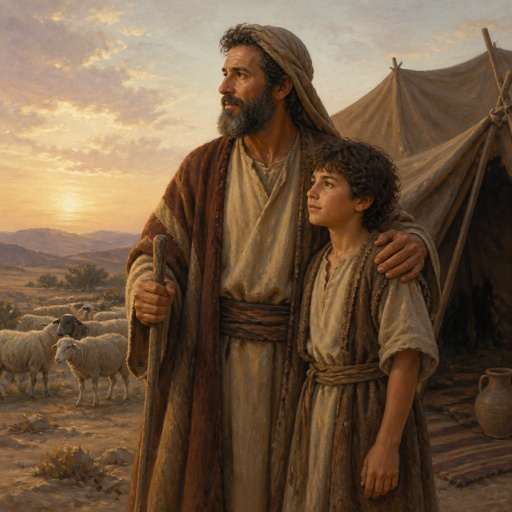
"¶ And the sons of Dan; Hushim." - Genesis 46:23

Genesis 19-33

Genesis 21-33

Genesis 18-33

Genesis 46:16 - "¶ And the sons of Gad; Ziphion, and Haggi, Shuni, and Ezbon, Eri, and Arodi, and Areli."

Genesis 24-33

Genesis 25-33

Genesis 46:21 - "¶ And the sons of Benjamin were Belah, and Becher, and Ashbel, Gera, and Naaman, Ehi, and Rosh, Muppim, and Huppim, and Ard."

Genesis 46:10 - "¶ And the sons of Simeon; Jemuel, and Jamin, and Ohad, and Jachin, and Zohar, and Shaul the son of a Canaanitish woman."

"¶ And the sons of Issachar; Tola, and Phuvah, and Job, and Shimron." - Genesis 46:13
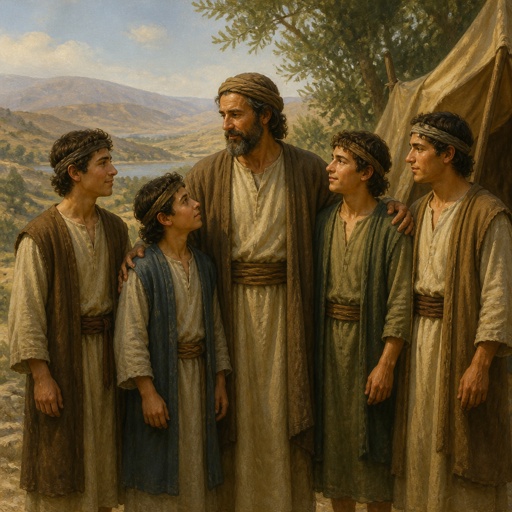
"¶ And the sons of Naphtali; Jahzeel, and Guni, and Jezer, and Shillem." - Genesis 46:24

"The sons of Rachel Jacob's wife; Joseph, and Benjamin." - Genesis 46:19

Genesis 46:2 - "And God spake unto Israel in the visions of the night, and said, Jacob, Jacob. And he said, Here am I."

"¶ And the sons of Levi; Gershon, Kohath, and Merari." - Genesis 46:11

"¶ And the sons of Zebulun; Sered, and Elon, and Jahleel." - Genesis 46:14

Genesis 46:8 - "¶ And these are the names of the children of Israel, which came into Egypt, Jacob and his sons: Reuben, Jacob's firstborn."