What does Genesis 48:1 mean?
“And it came to pass after these things, that one told Joseph, Behold, thy father is sick: and he took with him his two sons, Manasseh and Ephraim.” — Genesis 48:1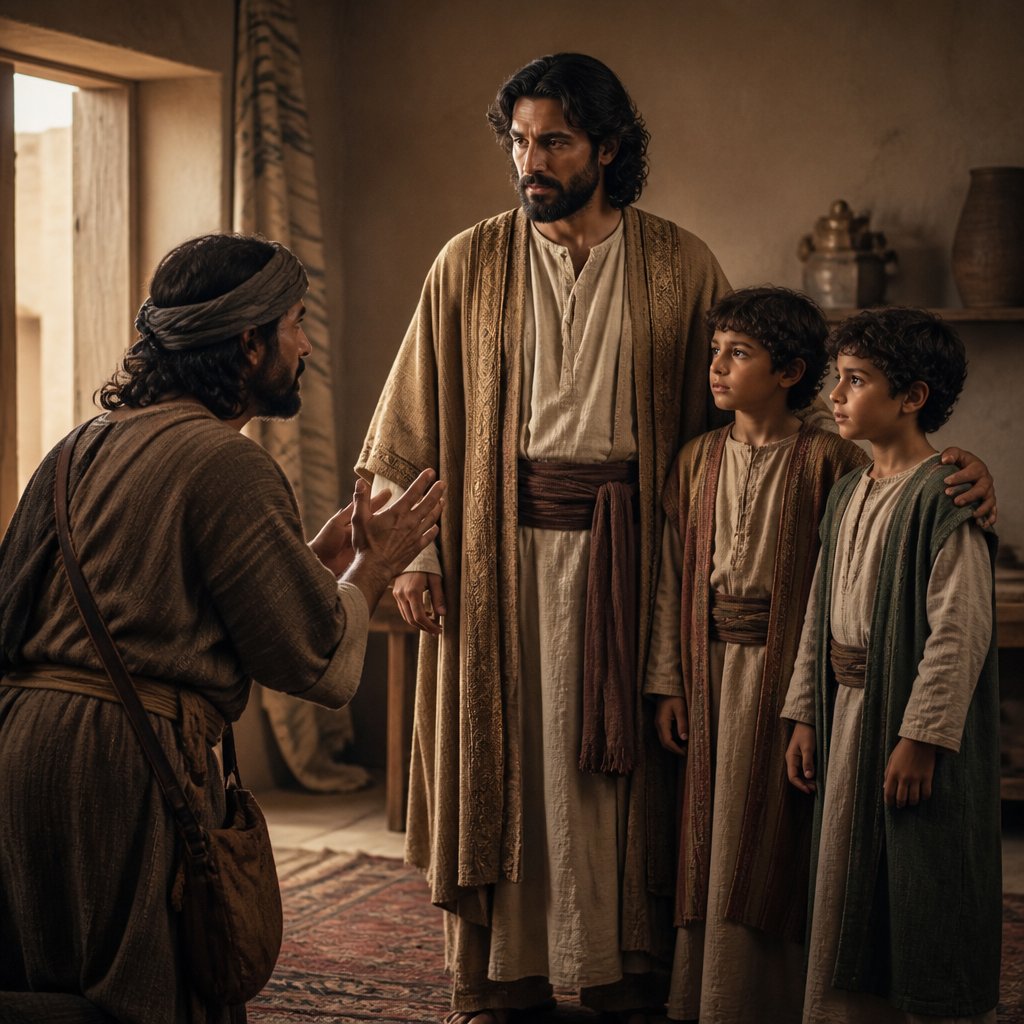
Genesis 48:1 (KJV) says, "And it came to pass after these things, that one told Joseph, Behold, thy father is sick: and he took with him his two sons, Manasseh and Ephraim."
This verse comes in the later part of the book of Genesis, which is the first book of the Bible. Genesis is a historical and theological narrative that describes the beginning of the world, the creation of humanity, and the establishment of God's covenant with His people. The book also contains the stories of the patriarchs, particularly Abraham, Isaac, and Jacob. The verse in question is part of the narrative of the patriarch Jacob, who is also known as Israel.
The verse portrays the eminent mortality of Jacob, who is Joseph's father. The news of his father's sickness prompts Joseph to visit him, in which he brings along his two sons, Manasseh and Ephraim. This visit has significant implications for the future, as it is during this time that Jacob will bless and adopt Joseph's sons, elevating them and their descendants to equal status with Joseph's brothers in the inheritance promises.
One of the key themes in this verse is the passing of the generational torch. The narrative underscores the importance of family ties and the succession of blessings through the generations. The passing of the blessing from Jacob to Joseph's sons symbolizes the continuity of God's covenant and the establishment of the twelve tribes of Israel. It also foreshadows the fulfillment of God's promises to Abraham, Isaac, and Jacob through their descendants.
Another important theme in this verse is the fulfillment of prophecy. Earlier in Genesis, God promised Abraham that his descendants would become a great nation and inherit the land of Canaan. This promise was passed down through Isaac and Jacob, and here in Genesis 48, we see the fruition of this prophecy as Jacob is about to pass on the blessings to his grandsons. This event solidifies the belief in God's faithfulness to His promises and His providential care over His people.
Moreover, the verse highlights the significance of parental blessings. In the ancient Near Eastern culture, a father's blessing held great power and authority. It represented a transfer of authority, wealth, and spiritual favor. Jacob's blessing of Joseph's sons signifies his recognition of them as his own, equal to his other sons. It also signifies his fatherly love and his desire to ensure the prosperity and continuity of his lineage.
Symbolically, the verse carries a profound message about God's sovereignty and provision. It demonstrates how God's plan unfolds through the course of human events and how He uses ordinary circumstances, such as illness and family visits, to accomplish His divine purpose. The inclusion of Manasseh and Ephraim in the blessings also signifies God's impartial and inclusive love for all His people, regardless of their biological lineage.
In conclusion, Genesis 48:1 is a pivotal verse in the narrative of Jacob's blessings. It sheds light on the themes of generational succession, the fulfillment of promises, and the significance of parental blessings. It also serves as a reminder of God's faithfulness, providential care, and impartial love for His people. From a theological perspective, this verse points to the establishment of the nation of Israel and the unfolding of God's redemptive plan for humanity through the line of Abraham.
Get our apps


Artwork for Genesis 48:1
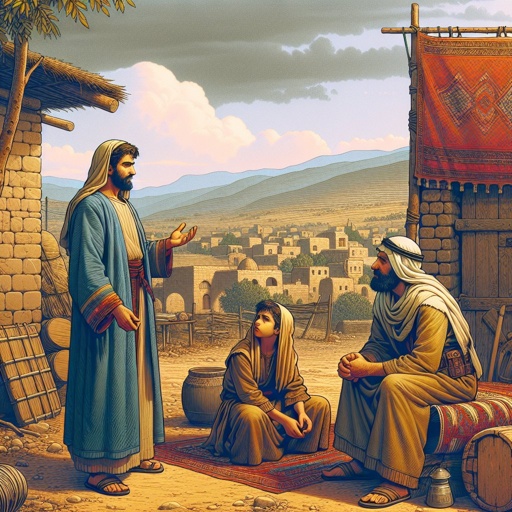
Genesis 48:1 - "And it came to pass after these things, that one told Joseph, Behold, thy father is sick: and he took with him his two sons, Manasseh and Ephraim."
"And it came to pass after these things, that one told Joseph, Behold, thy father is sick: and he took with him his two sons, Manasseh and Ephraim." - Genesis 48:1

Genesis 24-48

Genesis 48:8 - "And Israel beheld Joseph's sons, and said, Who are these?"

Genesis 31:48 - "And Laban said, This heap is a witness between me and thee this day. Therefore was the name of it called Galeed;"

Isaiah 48

Isaiah 48

Isaiah 48

Genesis 48:3 - "And Jacob said unto Joseph, God Almighty appeared unto me at Luz in the land of Canaan, and blessed me,"

Genesis 48:12 - "And Joseph brought them out from between his knees, and he bowed himself with his face to the earth."
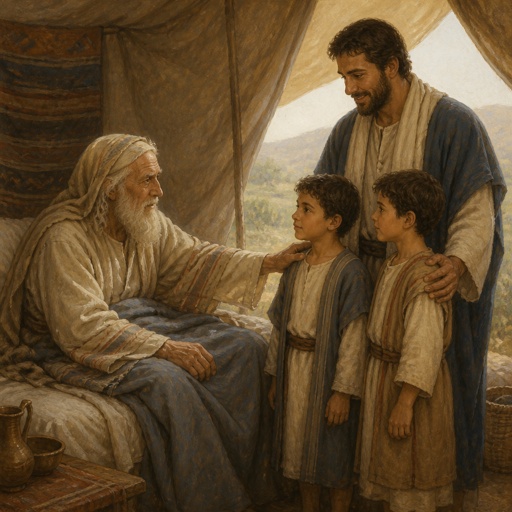
"And Israel beheld Joseph's sons, and said, Who are these?" - Genesis 48:8

Isaiah 48:5
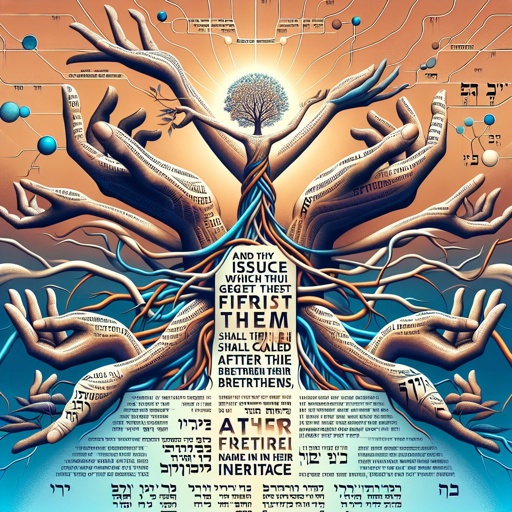
Genesis 48:6 - "And thy issue, which thou begettest after them, shall be thine, and shall be called after the name of their brethren in their inheritance."

Isaiah 48:5

Genesis 48:18 - "And Joseph said unto his father, Not so, my father: for this is the firstborn; put thy right hand upon his head."
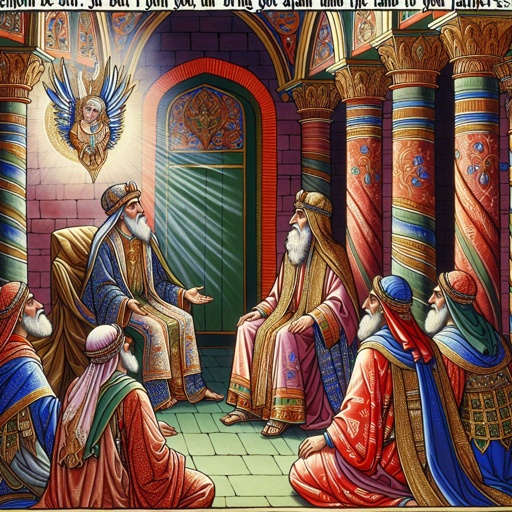
Genesis 48:21 - "And Israel said unto Joseph, Behold, I die: but God shall be with you, and bring you again unto the land of your fathers."

Genesis 48:2 - "And one told Jacob, and said, Behold, thy son Joseph cometh unto thee: and Israel strengthened himself, and sat upon the bed."
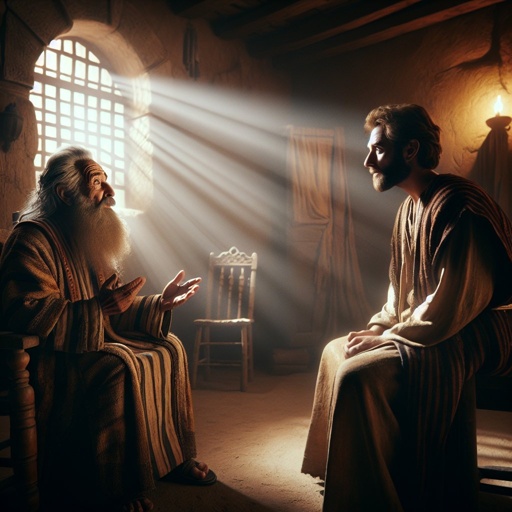
Genesis 48:11 - "And Israel said unto Joseph, I had not thought to see thy face: and, lo, God hath shewed me also thy seed."

1 Chronicles 1:48 - "And when Samlah was dead, Shaul of Rehoboth by the river reigned in his stead."

Genesis 48:22 - "Moreover I have given to thee one portion above thy brethren, which I took out of the hand of the Amorite with my sword and with my bow."

Genesis 48:20 - "And he blessed them that day, saying, In thee shall Israel bless, saying, God make thee as Ephraim and as Manasseh: and he set Ephraim before Manasseh."

Numbers 1:48 - "For the LORD had spoken unto Moses, saying,"

Genesis 48:10 - "Now the eyes of Israel were dim for age, so that he could not see. And he brought them near unto him; and he kissed them, and embraced them."

1 Corinthians 15:48 - "As is the earthy, such are they also that are earthy: and as is the heavenly, such are they also that are heavenly."

1 Chronicles 2:48 - "Maachah, Caleb's concubine, bare Sheber, and Tirhanah."
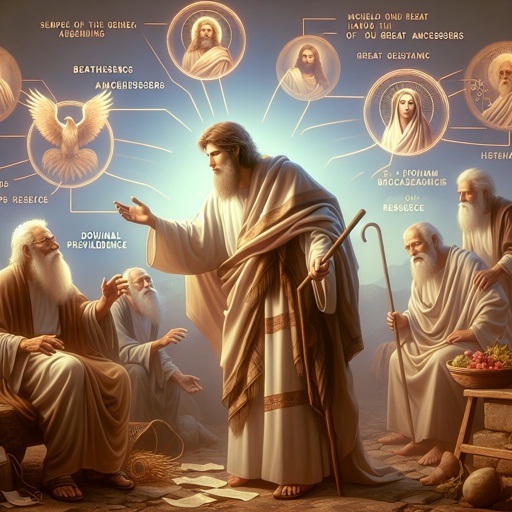
Genesis 48:15 - "¶ And he blessed Joseph, and said, God, before whom my fathers Abraham and Isaac did walk, the God which fed me all my life long unto this day,"

Genesis 48:4 - "And said unto me, Behold, I will make thee fruitful, and multiply thee, and I will make of thee a multitude of people; and will give this land to thy seed after thee for an everlasting possession."
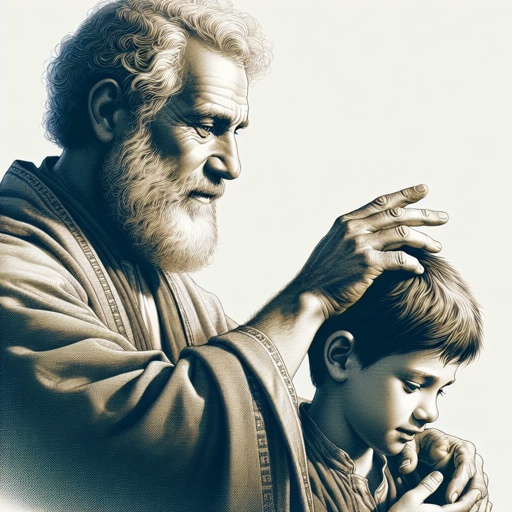
Genesis 48:14 - "And Israel stretched out his right hand, and laid it upon Ephraim's head, who was the younger, and his left hand upon Manasseh's head, guiding his hands wittingly; for Manasseh was the firstborn."

Genesis 48:5 - "¶ And now thy two sons, Ephraim and Manasseh, which were born unto thee in the land of Egypt before I came unto thee into Egypt, are mine; as Reuben and Simeon, they shall be mine."

Genesis 48:9 - "And Joseph said unto his father, They are my sons, whom God hath given me in this place. And he said, Bring them, I pray thee, unto me, and I will bless them."