What does Genesis 48:13 mean?
“And Joseph took them both, Ephraim in his right hand toward Israel’s left hand, and Manasseh in his left hand toward Israel’s right hand, and brought them near unto him.” — Genesis 48:13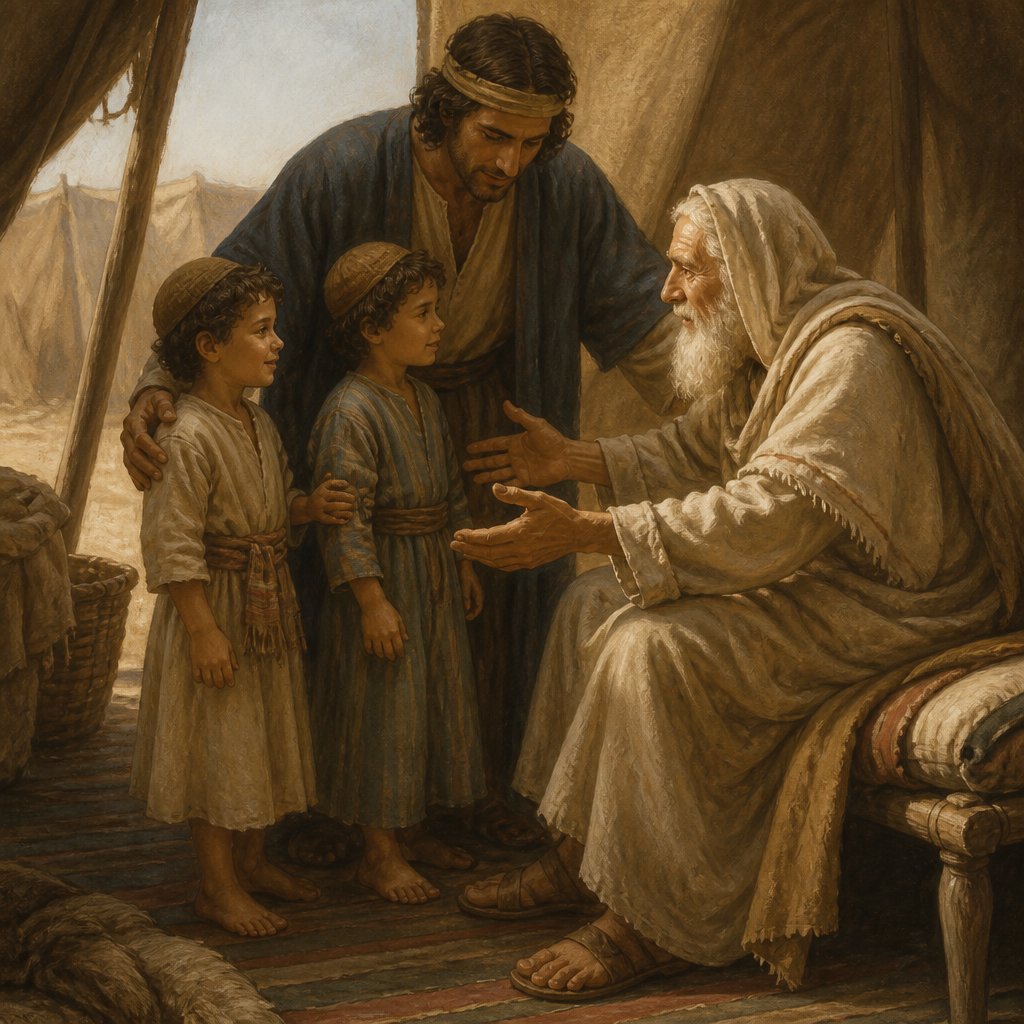
Genesis 48:13 (KJV) states: "And Joseph took them both, Ephraim in his right hand toward Israel's left hand, and Manasseh in his left hand toward Israel's right hand, and brought them near unto him."
This particular verse comes from the story of Jacob blessing his grandsons, Ephraim and Manasseh, sons of Joseph, in Genesis 48. This episode is significant because it represents the passing down of blessings and establishes the continuation of the line of Abraham, Isaac, and Jacob.
Context:
To fully understand the significance of this verse, it is essential to understand the context in which it occurs. The story of Jacob blessing his grandsons takes place toward the end of his life. Jacob, who is also called Israel, had already experienced a tumultuous and eventful life which included struggles with his brother Esau, the deception of his father Isaac, the marriages to Leah and Rachel, and the raising of twelve sons. At this point in the narrative, Jacob is old and frail, and he is about to pass on the blessing and promise of God to his descendants.
The passage begins with Joseph bringing his two sons, Ephraim and Manasseh, to Jacob for the customary blessing. However, instead of positioning the eldest son, Manasseh, to receive the blessing from Jacob's right hand (which traditionally symbolized the greater blessing), Joseph intentionally places Ephraim, the younger son, in that position. When Jacob attempts to correct Joseph and switch his hands, Joseph insists that he knows what he's doing and leaves the boys in their current positions. Jacob, who is unable to see very well due to his old age, proceeds to bless the boys. In the end, he crosses his hands, placing his right hand on Ephraim and his left hand on Manasseh, thereby pronouncing the greater blessing on Ephraim.
Meaning and Commentary:
The significance of this verse lies in the reversal of traditional birth order blessings. Throughout the Bible, the eldest son typically received the greater inheritance and the father's blessing. However, in this instance, Jacob intentionally bestows the greater blessing on the younger son, Ephraim. This reversal of expectations serves as a reminder that God often works in unexpected ways and that His blessings are not bound by human traditions or conventions.
This passage also emphasizes the theme of God's sovereignty over human traditions. God chooses to bless whomever He desires, regardless of age, birth order, or societal norms. This principle is echoed in other parts of the Bible, such as the story of the younger brother, David, being chosen over his older brothers to be the king of Israel.
Additionally, this passage underscores the theme of the reversal of expectations and the exaltation of the humble. Ephraim's blessing in this story exemplifies God's tendency to choose the underdog, the weak, and the unlikely to carry out His purposes. This theme is consistent throughout the Bible, as seen in the choice of the younger son, Abel, over Cain, the shepherd boy, David, over the mighty warriors of Israel, and the fishermen, Peter, James, and John, as Jesus' disciples.
Symbolism:
The act of Jacob crossing his hands to bless Ephraim over Manasseh carries powerful symbolic meaning. In this action, Jacob effectively chooses Ephraim to carry on the promise and covenant that God had made with Abraham and Isaac. This symbolic act sets the stage for the prominence of the tribe of Ephraim in the future history of Israel. Ephraim's descendants would play a significant role in the Northern Kingdom of Israel, and the tribe would eventually become synonymous with the entire Northern Kingdom in some biblical passages.
Furthermore, the crossing of hands in this story can be seen as a foreshadowing of Christ's own ministry, where He challenges and overturns tradition and human expectations. In the same way that Jacob's blessing deviated from tradition, Jesus' teachings and actions often challenged the traditions of His time, and He consistently favored the marginalized and the humble.
In conclusion, Genesis 48:13 is a powerful passage that challenges traditional expectations and emphasizes God's sovereignty in choosing to bless and exalt whomever He desires. The reversal of birth order blessings in this story serves as a reminder that God's ways are not bound by human conventions, and His blessings often come in unexpected ways. The symbolism of this passage also establishes the future prominence of the tribe of Ephraim and prefigures Christ's ministry of challenging traditions and exalting the humble.
Get our apps


Artwork for Genesis 48:13
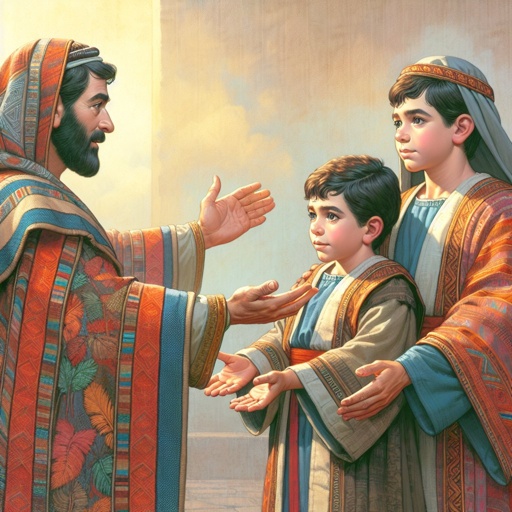
Genesis 48:13 - "And Joseph took them both, Ephraim in his right hand toward Israel's left hand, and Manasseh in his left hand toward Israel's right hand, and brought them near unto him."
"And Joseph took them both, Ephraim in his right hand toward Israel's left hand, and Manasseh in his left hand toward Israel's right hand, and brought them near unto him." - Genesis 48:13

Genesis 24-48

Genesis 48:8 - "And Israel beheld Joseph's sons, and said, Who are these?"

Jeremiah 48:13 - "And Moab shall be ashamed of Chemosh, as the house of Israel was ashamed of Beth-el their confidence."

Genesis 31:48 - "And Laban said, This heap is a witness between me and thee this day. Therefore was the name of it called Galeed;"

Leviticus 13:48 - "Whether it be in the warp, or woof; of linen, or of woollen; whether in a skin, or in any thing made of skin;"

Genesis 48:3 - "And Jacob said unto Joseph, God Almighty appeared unto me at Luz in the land of Canaan, and blessed me,"

Genesis 48:12 - "And Joseph brought them out from between his knees, and he bowed himself with his face to the earth."
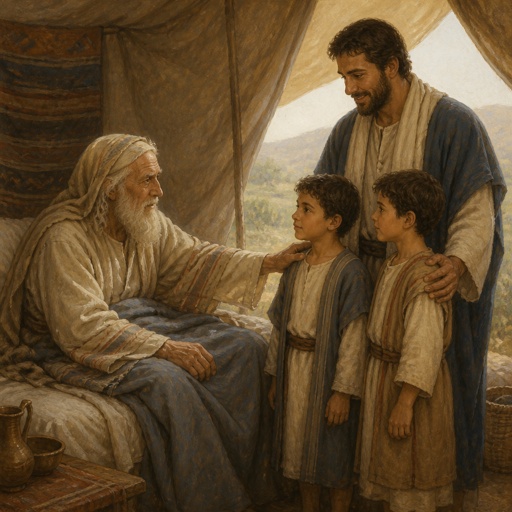
"And Israel beheld Joseph's sons, and said, Who are these?" - Genesis 48:8

Matthew 13:48 - "Which, when it was full, they drew to shore, and sat down, and gathered the good into vessels, but cast the bad away."

Psalms 48:13 - "Mark ye well her bulwarks, consider her palaces; that ye may tell it to the generation following."
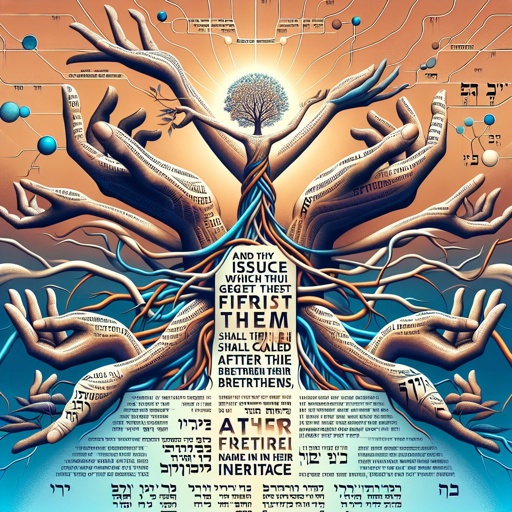
Genesis 48:6 - "And thy issue, which thou begettest after them, shall be thine, and shall be called after the name of their brethren in their inheritance."

Acts 13:48 - "And when the Gentiles heard this, they were glad, and glorified the word of the Lord: and as many as were ordained to eternal life believed."

Genesis 48:18 - "And Joseph said unto his father, Not so, my father: for this is the firstborn; put thy right hand upon his head."
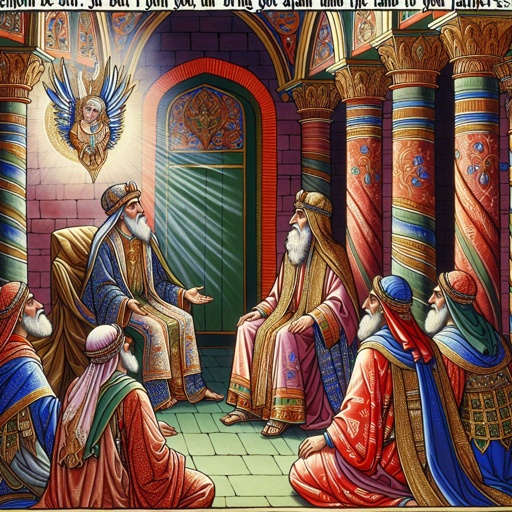
Genesis 48:21 - "And Israel said unto Joseph, Behold, I die: but God shall be with you, and bring you again unto the land of your fathers."

Genesis 48:2 - "And one told Jacob, and said, Behold, thy son Joseph cometh unto thee: and Israel strengthened himself, and sat upon the bed."
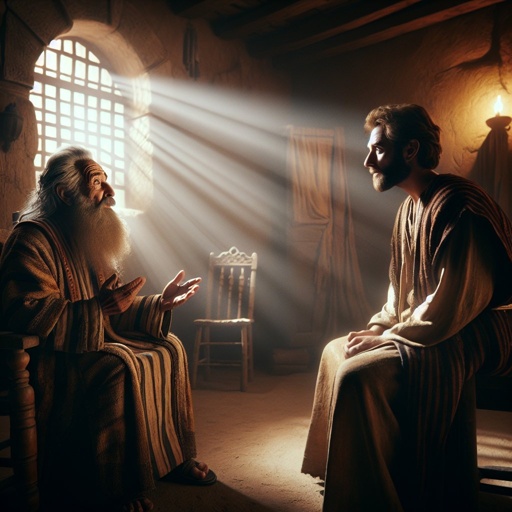
Genesis 48:11 - "And Israel said unto Joseph, I had not thought to see thy face: and, lo, God hath shewed me also thy seed."
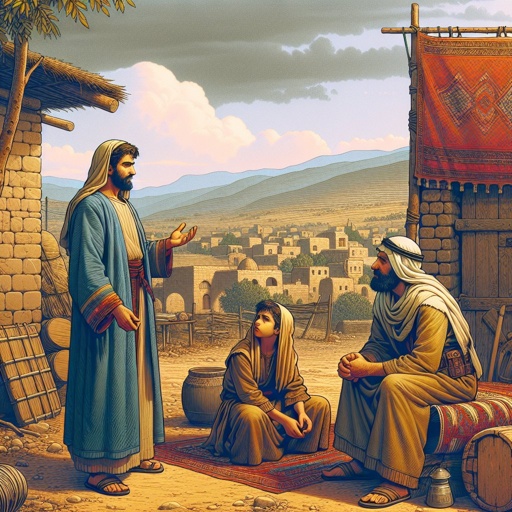
Genesis 48:1 - "And it came to pass after these things, that one told Joseph, Behold, thy father is sick: and he took with him his two sons, Manasseh and Ephraim."

Genesis 48:22 - "Moreover I have given to thee one portion above thy brethren, which I took out of the hand of the Amorite with my sword and with my bow."

Genesis 48:20 - "And he blessed them that day, saying, In thee shall Israel bless, saying, God make thee as Ephraim and as Manasseh: and he set Ephraim before Manasseh."

Genesis 48:10 - "Now the eyes of Israel were dim for age, so that he could not see. And he brought them near unto him; and he kissed them, and embraced them."

Isaiah 48:13 - "Mine hand also hath laid the foundation of the earth, and my right hand hath spanned the heavens: when I call unto them, they stand up together."
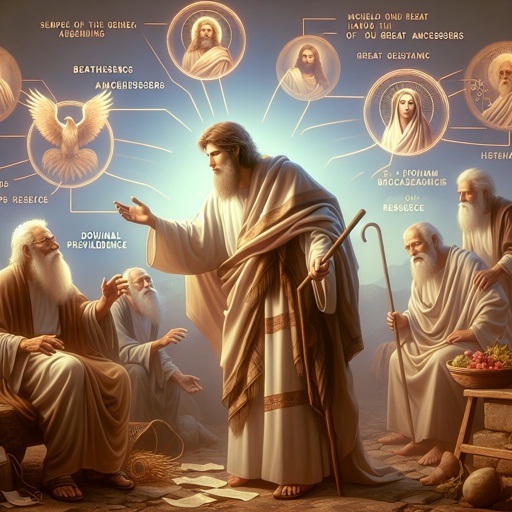
Genesis 48:15 - "¶ And he blessed Joseph, and said, God, before whom my fathers Abraham and Isaac did walk, the God which fed me all my life long unto this day,"

Genesis 48:4 - "And said unto me, Behold, I will make thee fruitful, and multiply thee, and I will make of thee a multitude of people; and will give this land to thy seed after thee for an everlasting possession."
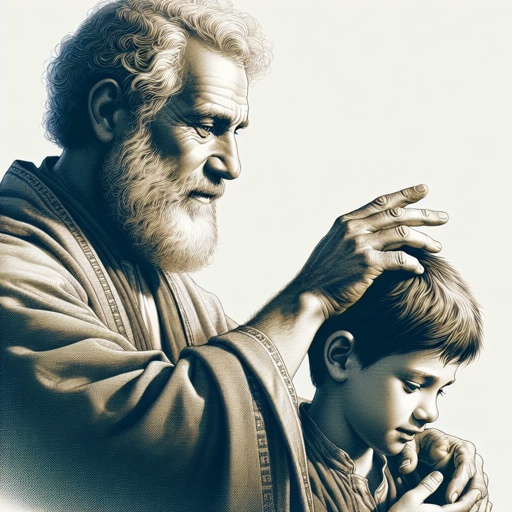
Genesis 48:14 - "And Israel stretched out his right hand, and laid it upon Ephraim's head, who was the younger, and his left hand upon Manasseh's head, guiding his hands wittingly; for Manasseh was the firstborn."

Genesis 48:5 - "¶ And now thy two sons, Ephraim and Manasseh, which were born unto thee in the land of Egypt before I came unto thee into Egypt, are mine; as Reuben and Simeon, they shall be mine."
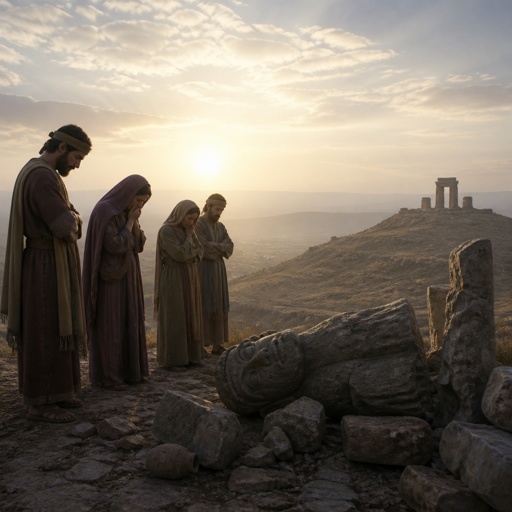
"And Moab shall be ashamed of Chemosh, as the house of Israel was ashamed of Beth-el their confidence." - Jeremiah 48:13

Genesis 48:9 - "And Joseph said unto his father, They are my sons, whom God hath given me in this place. And he said, Bring them, I pray thee, unto me, and I will bless them."
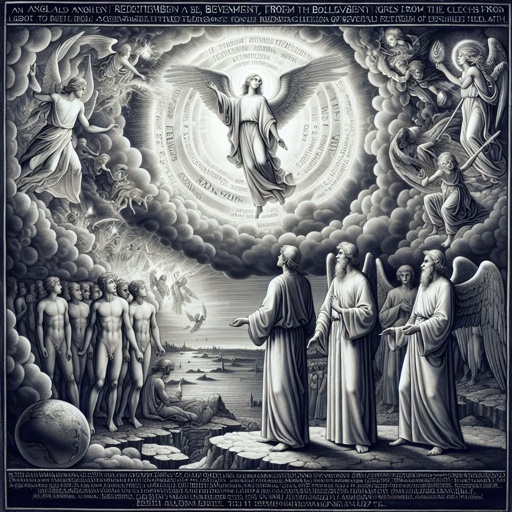
Genesis 48:16 - "The Angel which redeemed me from all evil, bless the lads; and let my name be named on them, and the name of my fathers Abraham and Isaac; and let them grow into a multitude in the midst of the earth."