What does Genesis 4:12 mean?
"When thou tillest the ground, it shall not henceforth yield unto thee her strength; a fugitive and a vagabond shalt thou be in the earth." - Genesis 4:12

Genesis 4:12 in the King James Version of the Bible reads: "When thou tillest the ground, it shall not henceforth yield unto thee her strength; a fugitive and a vagabond shalt thou be in the earth."
This verse is part of the story of Cain and Abel, and it follows Cain's punishment from God after he murdered his brother Abel. The verse reflects the consequences of Cain's actions and serves as a symbolic warning about the impact of sin and disobedience.
The immediate context of Genesis 4:12 is crucial for understanding its meaning. In the preceding verses, Cain becomes jealous of Abel when God shows favor towards Abel's offering over his own. This jealousy leads Cain to kill his brother, an act that angers God and results in Cain being cursed and banished from the land he had been working.
The verse begins with the declaration, "When thou tillest the ground, it shall not henceforth yield unto thee her strength." This pronouncement signifies a fundamental change in the natural order of things. The land, which had previously been fertile and productive, is now rendered barren for Cain. This symbolizes the extent of Cain's punishment and serves as a metaphor for the discord that sin brings into the world. It also reflects the idea that sin not only affects the individual sinner but also the environment and those around them.
The second part of the verse states, "a fugitive and a vagabond shalt thou be in the earth." This part of the curse underscores the magnitude of Cain's punishment. Not only is he to suffer from the lack of productivity in the land, but he is also destined to wander the earth, unable to settle in one place. This reflects a sense of disconnection and rootlessness that results from sin. It also signifies the idea that actions have consequences and that one's choices can lead to a life of aimless wandering and instability.
Overall, Genesis 4:12 is a powerful statement about the consequences of sin and the concept of divine justice. It emphasizes that disobedience to God's will leads to severe repercussions, affecting not only the individual but also the world around them. The verse ultimately serves as a cautionary tale, warning against the destructive nature of sin and the importance of living in harmony with God's will.
One of the overarching themes present in Genesis 4:12 is the theme of responsibility and accountability. Cain's actions result in a chain of events that have a ripple effect, impacting not only himself but also the land and the world around him. This serves as a reminder that our choices and actions have far-reaching consequences, and we are accountable for the outcomes of our decisions. It is a clear demonstration of the biblical principle of reaping what one sows, as Cain's disobedience leads to his punishment and suffering.
Another prominent theme in this verse is the theme of justice and divine retribution. The God of the Bible is depicted as a just and righteous judge who rewards obedience and punishes sin. Genesis 4:12 exemplifies this notion by showing the direct correlation between Cain's sin and his subsequent punishment. It underscores the biblical concept that God upholds moral order and holds individuals accountable for their actions.
Symbolism also plays a significant role in interpreting Genesis 4:12. The barrenness of the land can be seen as a symbol of the spiritual emptiness and desolation that sin brings into one's life. It represents the absence of God's blessings and the loss of abundance and prosperity. In addition, Cain's life as a fugitive and a vagabond symbolizes the alienation and estrangement that sin creates, highlighting the idea of separation from God and a lack of belonging.
In conclusion, Genesis 4:12 is a profound verse that conveys essential biblical themes such as responsibility, justice, and divine retribution. It serves as a poignant reminder of the consequences of disobedience and the need for accountability in one's actions. Through its symbolism and context, the verse offers valuable insights into the nature of sin and the impact it has on individuals and the world. It ultimately underscores the necessity of living in accordance with God's will and the importance of recognizing the profound consequences of our choices.
Have questions about Genesis 4:12?
Dive deeper into this scripture with Bible Chat — an AI-powered tool for exploring God's Word through conversation. Ask questions, get context, and grow in your understanding of the Bible.
Get Our Apps


Genesis 4:12 Artwork

Genesis 4:12 - "When thou tillest the ground, it shall not henceforth yield unto thee her strength; a fugitive and a vagabond shalt thou be in the earth."

"When thou tillest the ground, it shall not henceforth yield unto thee her strength; a fugitive and a vagabond shalt thou be in the earth." - Genesis 4:12

Genesis 12:4 - "So Abram departed, as the LORD had spoken unto him; and Lot went with him: and Abram was seventy and five years old when he departed out of Haran."

Genesis 12

Genesis 28-12

Genesis 22-12

Genesis 17-12

Genesis 21-12

Genesis 20-12

Genesis 12:4 So Abram departed, as the LORD had spoken unto him; and Lot went with him: and Abram was seventy and five years old when he departed out of Haran.

Genesis 18-12

Genesis 16:12

Genesis 39:12

Genesis 25:12

Genesis 19-12

Genesis 15:12

Genesis 23-12

Genesis 24-12

Genesis 22:11-12.

Genesis 12:1-3
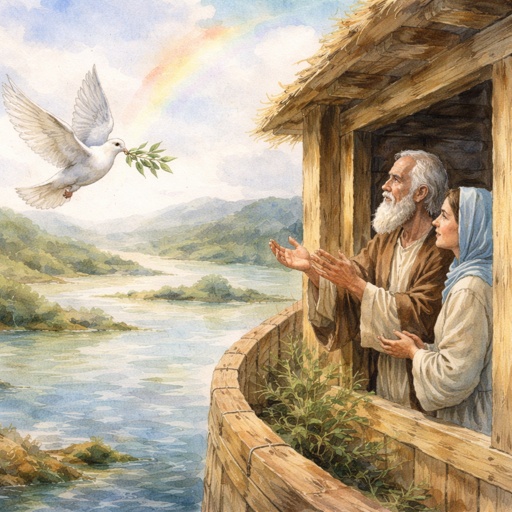
genesis 8:10-12

Genesis 22:11-12

Genesis 39:6-12

Genesis 22:11-12

Genesis 23-4

Genesis 20-4

Genesis 21-4

Genesis 17:4

Genesis 22-4

Genesis 18-4