What does Genesis 5:22 mean?
“And Enoch walked with God after he begat Methuselah three hundred years, and begat sons and daughters:” — Genesis 5:22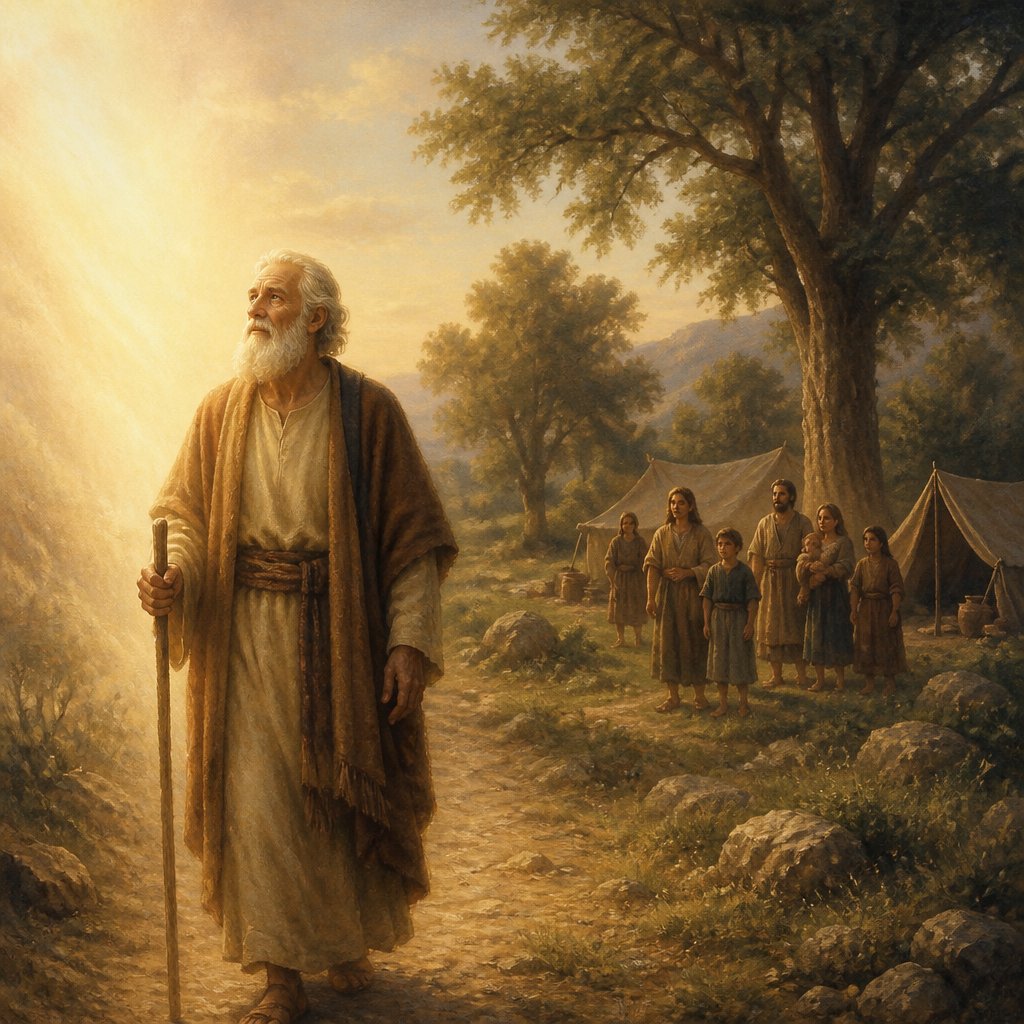
Genesis 5:22 in the King James Version reads, "And Enoch walked with God after he begat Methuselah three hundred years, and begat sons and daughters." This verse is part of a genealogy listing the descendants of Adam, providing a link between the creation story and the story of Noah and the flood.
The mention of Enoch in this verse is significant because of the unique relationship he had with God. Enoch's life sets him apart from the other descendants of Adam listed in this chapter because he is one of only two individuals in the Bible who did not experience physical death, the other being the prophet Elijah. This is because Enoch "walked with God," implying that he lived in close fellowship and obedience to God.
The significance of Enoch's close relationship with God is further emphasized by the fact that it is mentioned in the midst of a genealogy focused on the genealogical details and lifespans of the descendants listed. This serves as a contrast to the rest of the genealogy, highlighting the extraordinary nature of Enoch's life and faith.
The theme of faith and obedience is central to this verse. The act of "walking with God" implies a life of devotion, submission, and obedience to God's will. Enoch's faithfulness is particularly notable given the sinful and corrupt nature of the world during his time. His unwavering commitment to God is a powerful example of living a righteous life in the midst of unrighteousness.
Enoch's life also serves as a reminder of the possibility of a close, intimate relationship with God. His example demonstrates that it is indeed possible to walk closely with God and experience the blessings of a life lived in obedience and harmony with Him. In a world full of temptation and sin, Enoch’s example provides hope and inspiration for believers to live a life that pleases God.
The mention of Enoch's son Methuselah is also significant, as Methuselah's name is commonly translated to mean "when he dies, it shall come." This has led to the belief that Methuselah's death coincided with the flood, serving as a warning of the impending judgment of God. This adds another layer of symbolism to Enoch's life, as his close relationship with God and the prophetic significance of his son's name tie him to the broader narrative of God's judgment and salvation.
Enoch's life and his close relationship with God also serve as a prefiguration of Christ. Just as Enoch was taken up into heaven, bypassing physical death, so too was Jesus Christ resurrected and ascended into heaven. Enoch’s life points to the ultimate victory over death that is achieved through faith in God.
In conclusion, Genesis 5:22 offers a powerful testament to the possibility of a close, intimate relationship with God amidst a sinful and corrupt world. The verse serves as a reminder of the importance of faith and obedience, and the blessings that come from walking closely with God. At the same time, it points to the broader themes of judgment and salvation, and the ultimate victory over death that is achieved through faith in God. Enoch's life stands as a powerful example of righteous living and unwavering commitment to God, offering inspiration and hope for believers seeking to walk faithfully with God.
Get our apps


Artwork for Genesis 5:22

Genesis 5:22 - "And Enoch walked with God after he begat Methuselah three hundred years, and begat sons and daughters:"
"And Enoch walked with God after he begat Methuselah three hundred years, and begat sons and daughters:" - Genesis 5:22

Genesis 22-5

Genesis 22:5 - "And Abraham said unto his young men, Abide ye here with the ass; and I and the lad will go yonder and worship, and come again to you."

Genesis 22-22

Genesis 22:22 - "And Chesed, and Hazo, and Pildash, and Jidlaph, and Bethuel."

Genesis 22

Genesis 22 14

Genesis 28-22

Genesis 18-22

Genesis 21:22

Genesis 22-8

Genesis 22-9

Genesis 22-12

Genesis 22:15

Genesis 22-10

Genesis 22-16

Genesis 22-14

Genesis 17-22

Genesis 22-23

Genesis 22-7

Genesis 22-21

Genesis 22-4

Genesis 19-22

Genesis 22-17

Genesis 22:1

Genesis 22-20

Genesis 24-22

Genesis 22:10

Genesis 22-3