What does Genesis 6:12 mean?
"And God looked upon the earth, and, behold, it was corrupt; for all flesh had corrupted his way upon the earth." - Genesis 6:12
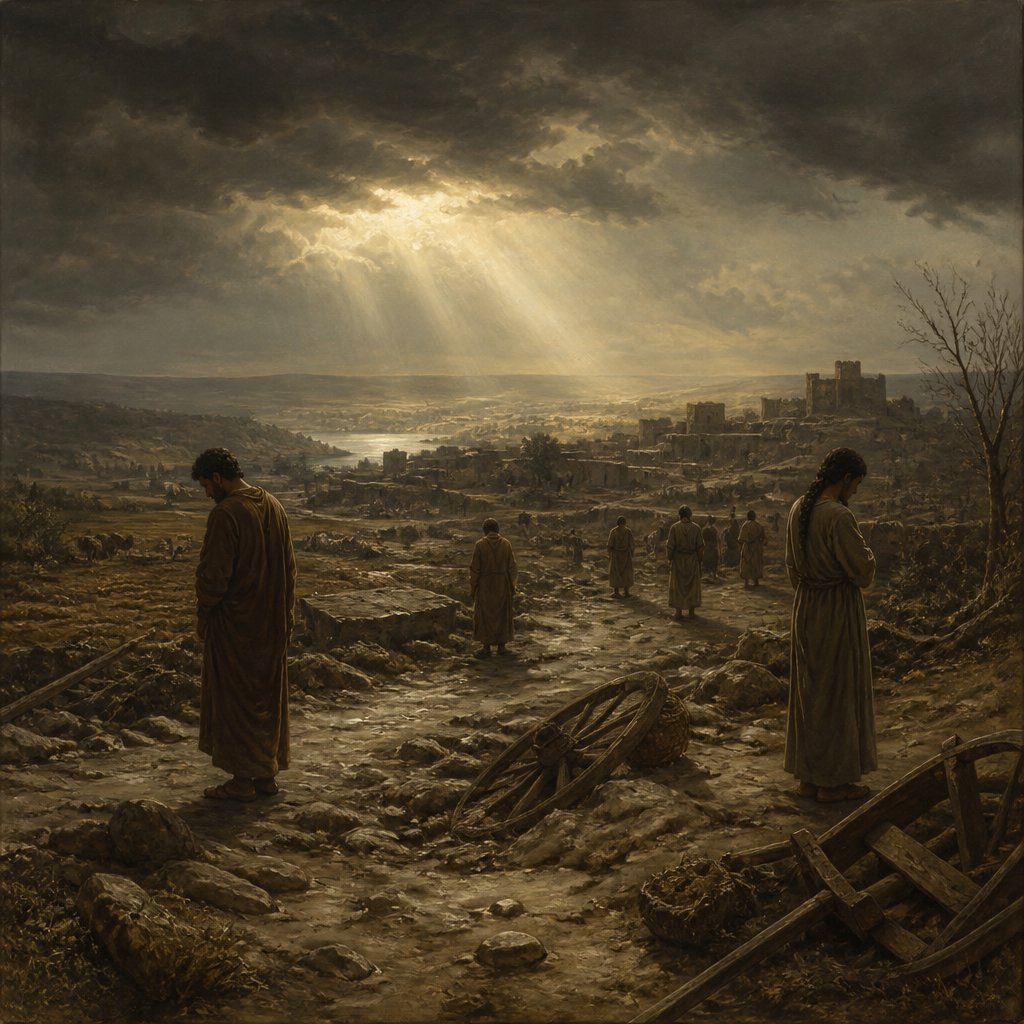
Genesis 6:12 (KJV) says, "And God looked upon the earth, and, behold, it was corrupt; for all flesh had corrupted his way upon the earth."
This verse occurs in the context of the story of Noah and the Great Flood. In the preceding verses, it is described how the wickedness of humanity had reached a point where God regretted creating humankind. The people of the earth had become thoroughly corrupt, and violence was widespread. This verse serves as a reflection of the moral state of humanity at that time, and it sets the stage for the impending judgment and destruction of the earth by the flood.
The themes of corruption and judgment are central to this verse. The corruption described here is not just physical decay or environmental degradation, but moral and spiritual corruption. The actions of humanity had become so depraved that they had strayed from the ways of God, and this disobedience had brought about widespread wickedness. The earth and its inhabitants were in a state of moral decay, and this deeply troubled God.
The imagery of God "looking upon the earth" is significant. It conveys a sense of divine surveillance and judgment. God, as the ultimate moral authority, is observing the state of the world and the actions of its inhabitants. This reflects the belief in a God who is deeply concerned with the moral conduct of humanity and who holds them accountable for their actions.
The phrase "all flesh had corrupted his way upon the earth" is also noteworthy. It suggests a universal guilt or responsibility for the state of corruption. It is not just a few individuals who have gone astray, but all of humanity. The reference to "flesh" emphasizes the physical and tangible nature of this corruption, but it also carries spiritual connotations, as the state of the flesh reflects the state of the soul.
The verse serves as a precursor to the judgment that will befall the earth in the form of the Great Flood. The corruption and wickedness of humanity have reached a tipping point, and this will lead to a decisive act of divine intervention. This sets up the broader theme of divine judgment and the consequences of moral disobedience.
From a contextual standpoint, this verse also marks a turning point in the biblical narrative. It reveals the serious consequences of human sin and foreshadows the need for a redemptive act to bring salvation and restoration to the world. This sets the stage for the story of Noah and the Flood, which will ultimately lead to a new beginning for humanity.
Symbolically, this verse can be seen as a reflection of the fallen nature of humanity and the pervasive influence of sin. The corruption and moral decay described here resonate with the broader theme of human disobedience and the need for divine intervention. It also points to the universal reach of sin, implicating all of humanity in the cycle of moral failure.
Overall, Genesis 6:12 serves as a sobering reflection on the moral state of humanity and the universal consequences of sin. It sets the stage for the unfolding drama of divine judgment and redemption, ultimately pointing to the need for a savior to bring about the restoration of the world.
Have questions about Genesis 6:12?
Dive deeper into this scripture with Bible Chat — an AI-powered tool for exploring God's Word through conversation. Ask questions, get context, and grow in your understanding of the Bible.
Get Our Apps


Genesis 6:12 Artwork

Genesis 6:12 - "And God looked upon the earth, and, behold, it was corrupt; for all flesh had corrupted his way upon the earth."
"And God looked upon the earth, and, behold, it was corrupt; for all flesh had corrupted his way upon the earth." - Genesis 6:12

Genesis 39:6-12

Genesis 12:6 - "¶ And Abram passed through the land unto the place of Sichem, unto the plain of Moreh. And the Canaanite was then in the land."
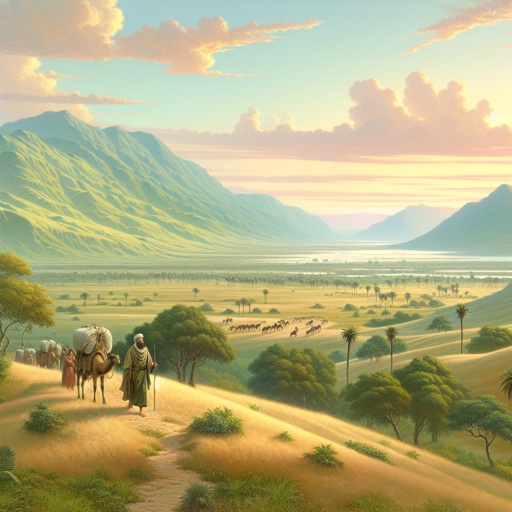
Genesis 12:6 And Abram passed through the land unto the place of Sichem, unto the plain of Moreh. And the Canaanite was then in the land.
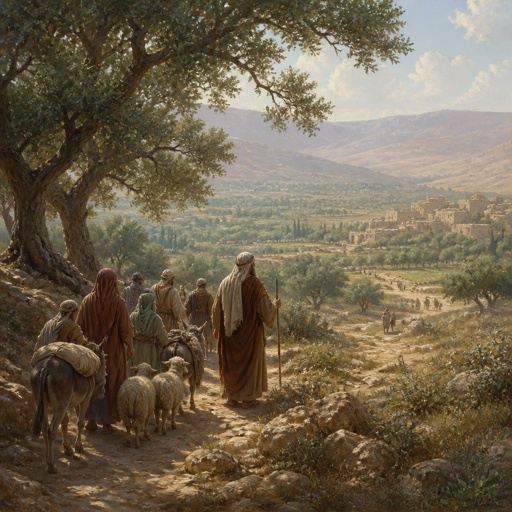
"¶ And Abram passed through the land unto the place of Sichem, unto the plain of Moreh. And the Canaanite was then in the land." - Genesis 12:6

Genesis 12

Genesis 28-12

Genesis 22-12

Genesis 17-12

Genesis 21-12

Genesis 20-12

Genesis 18-12

Genesis 16:12

Genesis 39:12

Genesis 25:12

Genesis 15:12

Genesis 19-12

Genesis 23-12

Genesis 24-12

Genesis 1:6-8

Genesis 1:6-8

Genesis 29-6

Genesis 18-6

Genesis 19-6

Genesis 17:6

Genesis 23-6

Genesis 18-6

Genesis 16:6

Genesis 25-6