What does Genesis 6:10 mean?
“And Noah begat three sons, Shem, Ham, and Japheth.” — Genesis 6:10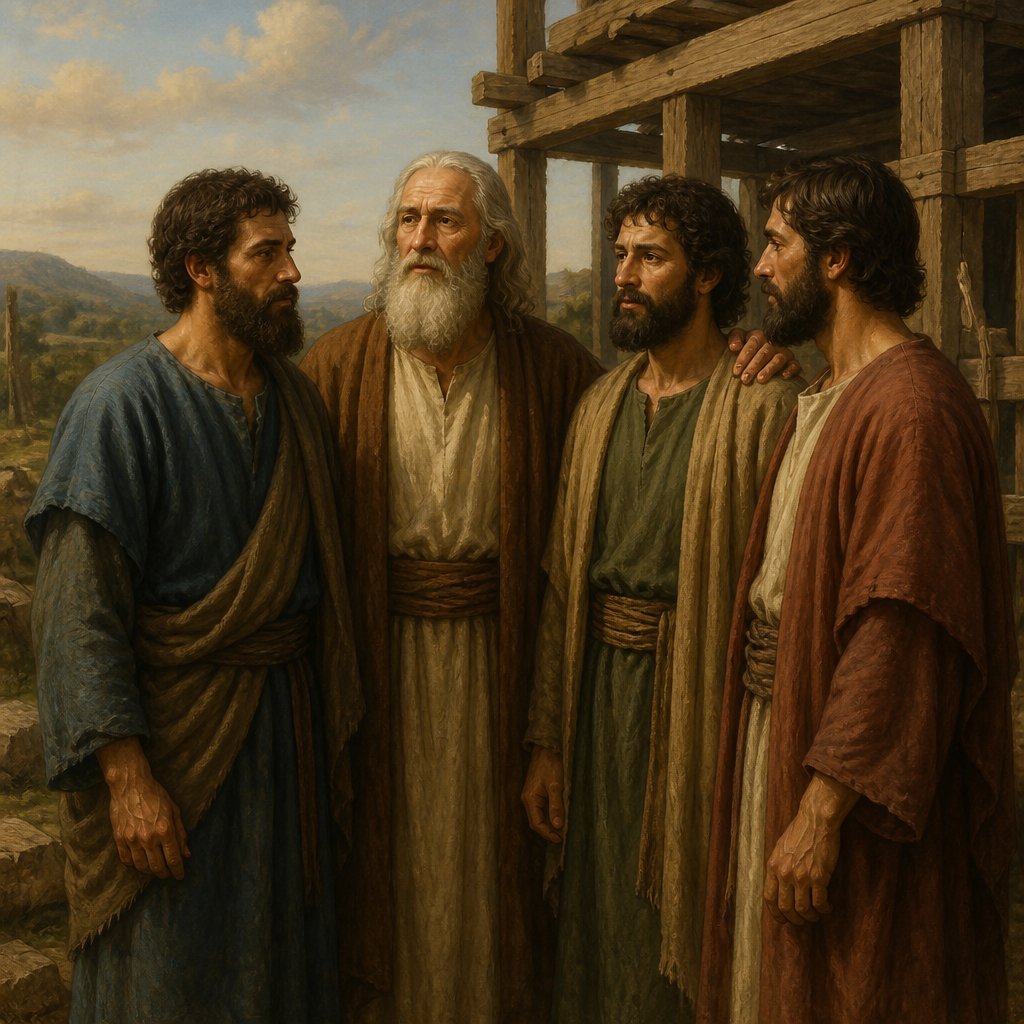
Genesis 6:10 (KJV) states, "And Noah begat three sons, Shem, Ham, and Japheth." This seemingly simple verse holds significant meaning within the context of the larger biblical narrative, and is a key point in the story of Noah and the Great Flood. In order to fully understand the depth and significance of this verse, it is important to explore the themes, context, and symbolism at play.
The theme of lineage and ancestry is prevalent throughout the Bible, and Genesis 6:10 is no exception. The mention of Noah's three sons, Shem, Ham, and Japheth, serves to establish a line of descent which carries on throughout the Old Testament. This lineage becomes particularly important in later narratives, such as the establishment of the twelve tribes of Israel, and the genealogy of Jesus Christ. The mention of Noah's sons in this verse lays the groundwork for the continuation of God's covenant with humanity, and is a precursor to the establishment of the nation of Israel.
In the context of the larger biblical narrative, Genesis 6:10 comes at a pivotal moment in the story of Noah and the Great Flood. Prior to this verse, God has observed the wickedness of humanity and has decided to bring about a great flood to cleanse the earth of sin. However, in his mercy, God chooses to spare Noah and his family, as they are found to be righteous in God's sight. This verse serves as a transition point from the wickedness of humanity to the beginning of a new era, symbolizing a fresh start for humanity through the lineage of Noah's sons.
Symbolically, the mention of Noah's three sons holds deeper meaning within the narrative. Each of Noah's sons represents a different aspect of humanity, and their descendants play a significant role in shaping the course of history. Shem, whose name means "name" or "renown," is seen as the ancestor of the Semitic peoples, including the Israelites and the Arabs. His lineage is particularly significant as it leads to the birth of Abraham, whose descendants become the nation of Israel, chosen by God to be a light to the nations. Ham, whose name means "warm" or "hot," is seen as the ancestor of the African and Canaanite peoples, and the mention of his descendants holds important implications for the biblical narrative, including the story of the Israelite's enslavement in Egypt. Japheth, whose name means "open" or "spreading," is seen as the ancestor of the European and Indo-Iranian peoples, indicating the spread of humanity to different parts of the world.
It is important to note that the mention of Noah's sons in Genesis 6:10 is not just a simple listing of names, but rather a deliberate choice made by the biblical author to convey important theological and historical significance. This verse sets the stage for the continuation of God's plan for humanity, and the establishment of the covenant with the descendants of Noah.
In conclusion, Genesis 6:10 holds deep meaning within the context of the larger biblical narrative, exploring themes of lineage and ancestry, as well as serving as a pivotal moment in the story of Noah and the Great Flood. Symbolically, the mention of Noah's sons represents the diverse nature of humanity and plays a significant role in shaping the course of history. Ultimately, this verse sets the stage for the continuation of God's plan for humanity, and the establishment of the covenant with the descendants of Noah.
Get our apps


Artwork for Genesis 6:10

Genesis 6:10 - "And Noah begat three sons, Shem, Ham, and Japheth."
"And Noah begat three sons, Shem, Ham, and Japheth." - Genesis 6:10

Genesis 10:6 - "¶ And the sons of Ham; Cush, and Mizraim, and Phut, and Canaan."
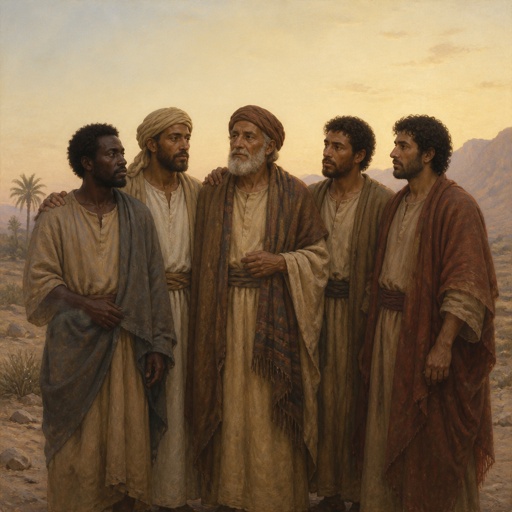
"¶ And the sons of Ham; Cush, and Mizraim, and Phut, and Canaan." - Genesis 10:6

Genesis 1:6-8

Genesis 1:6-8

Genesis 15:10

Genesis 23-10

Genesis 22-10

Genesis 16:10

Genesis 13:10

Genesis 17:10

Genesis 19-10

Genesis 20-10

Genesis 22:10

Genesis 21-10

Genesis 18-10

Genesis 24:10

Genesis 25-10

Genesis 28:10

Genesis 10:10 - "And the beginning of his kingdom was Babel, and Erech, and Accad, and Calneh, in the land of Shinar."

Genesis 19-6

Genesis 29-6

Genesis 18-6

Genesis 17:6

Genesis 23-6

Genesis 18-6

Genesis 16:6

Genesis 6:4

Genesis 25-6