What does Genesis 6:6 mean?
“And it repented the LORD that he had made man on the earth, and it grieved him at his heart.” — Genesis 6:6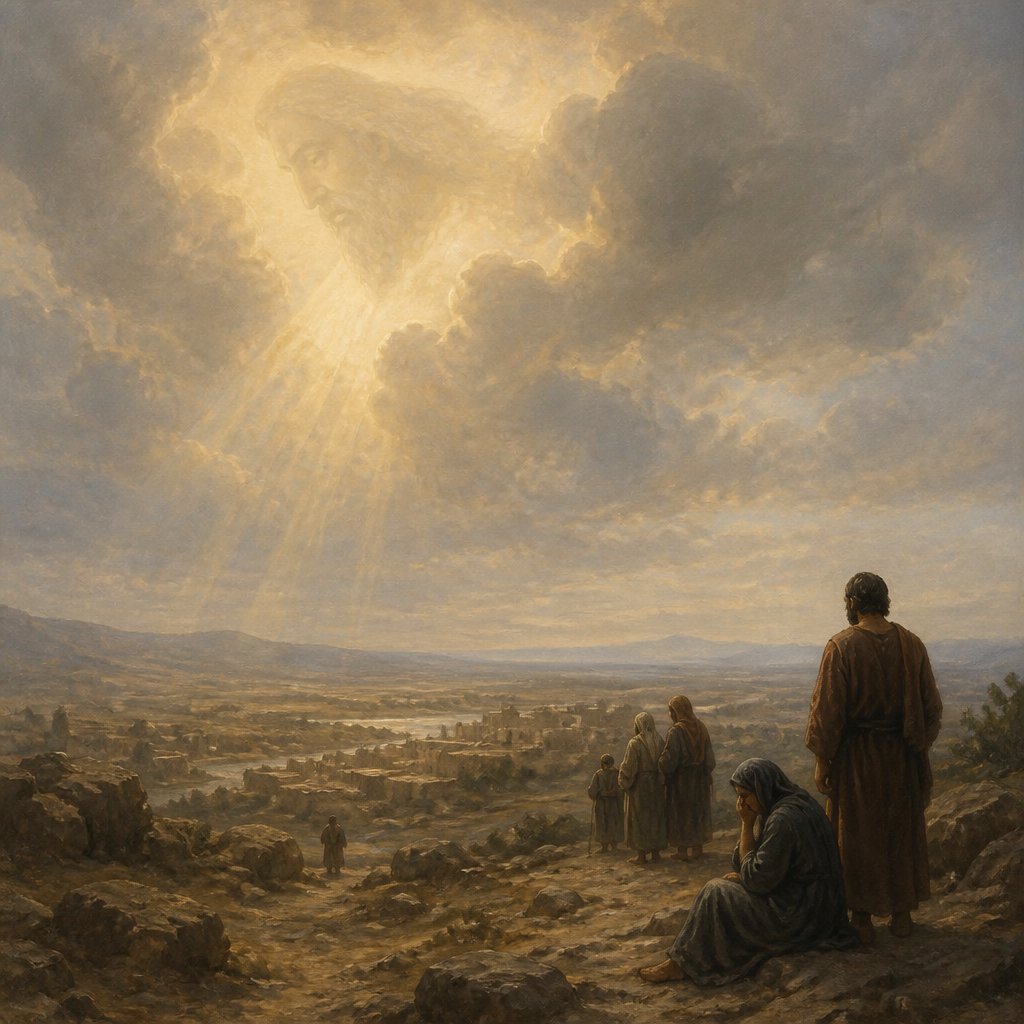
Genesis 6:6 in the King James Version of the Bible states, "And it repented the Lord that he had made man on the earth, and it grieved him at his heart." This verse comes from the Old Testament and is part of the story of Noah and the Great Flood.
This verse is an important and powerful statement about God's feelings towards humanity. The idea that God "repented" or regretted creating humans is a significant and complex concept. It demonstrates God's deep emotional connection to his creation and his disappointment with the way humans have behaved. It also shows God's capacity for empathy, compassion, and sorrow.
The context of this verse is crucial to understanding its meaning. In the preceding verses, the Bible describes the state of humanity at this time as being corrupt and violent. The people had turned away from God and were living in sin. This grieved God deeply, and he decided to bring a flood to destroy all living things on the earth, sparing only Noah and his family. Genesis 6:6 reveals God's profound sadness and regret over the state of humanity.
The theme of repentance and sorrow is prevalent throughout the Bible, and it is central to the Christian faith. This verse demonstrates the depth of God's love for his creation and his desire for humanity to turn away from sin and seek reconciliation with him. It also highlights the consequences of human actions and the impact of sin on the relationship between humans and God.
Additionally, the verse serves as a warning about the destructive power of sin. It emphasizes the importance of living in accordance with God's will and the consequences of straying from his path. The idea of God grieving at his heart also reflects the pain and suffering caused by human disobedience, and the need for repentance and redemption.
The symbolism in this verse is profound and multi-layered. It represents the complex and deeply emotional nature of God. It also symbolizes the deep connection between God and humanity, as well as the consequences of human actions. The flood itself is symbolic of God's judgment and the cleansing of the earth from sin.
In a broader sense, this verse can also be interpreted as a reflection of the human experience. It speaks to the universal emotions of regret, sorrow, and the desire for redemption. The concept of God repenting is also a powerful reminder of the transformative power of God's love and the possibility of forgiveness and reconciliation.
Overall, Genesis 6:6 is a deeply meaningful and thought-provoking verse that speaks to the complexities of the human experience and the depth of God's relationship with his creation. It serves as a reminder of the consequences of sin, the importance of repentance, and the profound love and empathy of God. It also provides a powerful message of hope and redemption for all who seek to reconcile with God.
Get our apps


Artwork for Genesis 6:6

Genesis 6:6 - "And it repented the LORD that he had made man on the earth, and it grieved him at his heart."
"And it repented the LORD that he had made man on the earth, and it grieved him at his heart." - Genesis 6:6

Genesis 1:6-8

Genesis 1:6-8

Genesis 19-6

Genesis 29-6

Genesis 18-6

Genesis 17:6

Genesis 23-6

Genesis 18-6

Genesis 16:6

Genesis 6:4

Genesis 25-6

Genesis 21-6

Genesis 6: 4

Genesis 20-6

genesis 22:6

Genesis chapter 6

Genesis 24-6

Genesis 22:6

Genesis 26:6 - "¶ And Isaac dwelt in Gerar:"

Genesis 39:6-12

Genesis 6:8 - "But Noah found grace in the eyes of the LORD."

Genesis 10:6 - "¶ And the sons of Ham; Cush, and Mizraim, and Phut, and Canaan."

Genesis 33:6 - "Then the handmaidens came near, they and their children, and they bowed themselves."

Genesis 15:6 - "And he believed in the LORD; and he counted it to him for righteousness."

Genesis 6:10 - "And Noah begat three sons, Shem, Ham, and Japheth."

Genesis 5:6 - "And Seth lived an hundred and five years, and begat Enos:"

Genesis 6:11 - "The earth also was corrupt before God, and the earth was filled with violence."

Genesis 14:6 - "And the Horites in their mount Seir, unto El-paran, which is by the wilderness."