What does Genesis 6:9 mean?
“These are the generations of Noah: Noah was a just man and perfect in his generations, and Noah walked with God.” — Genesis 6:9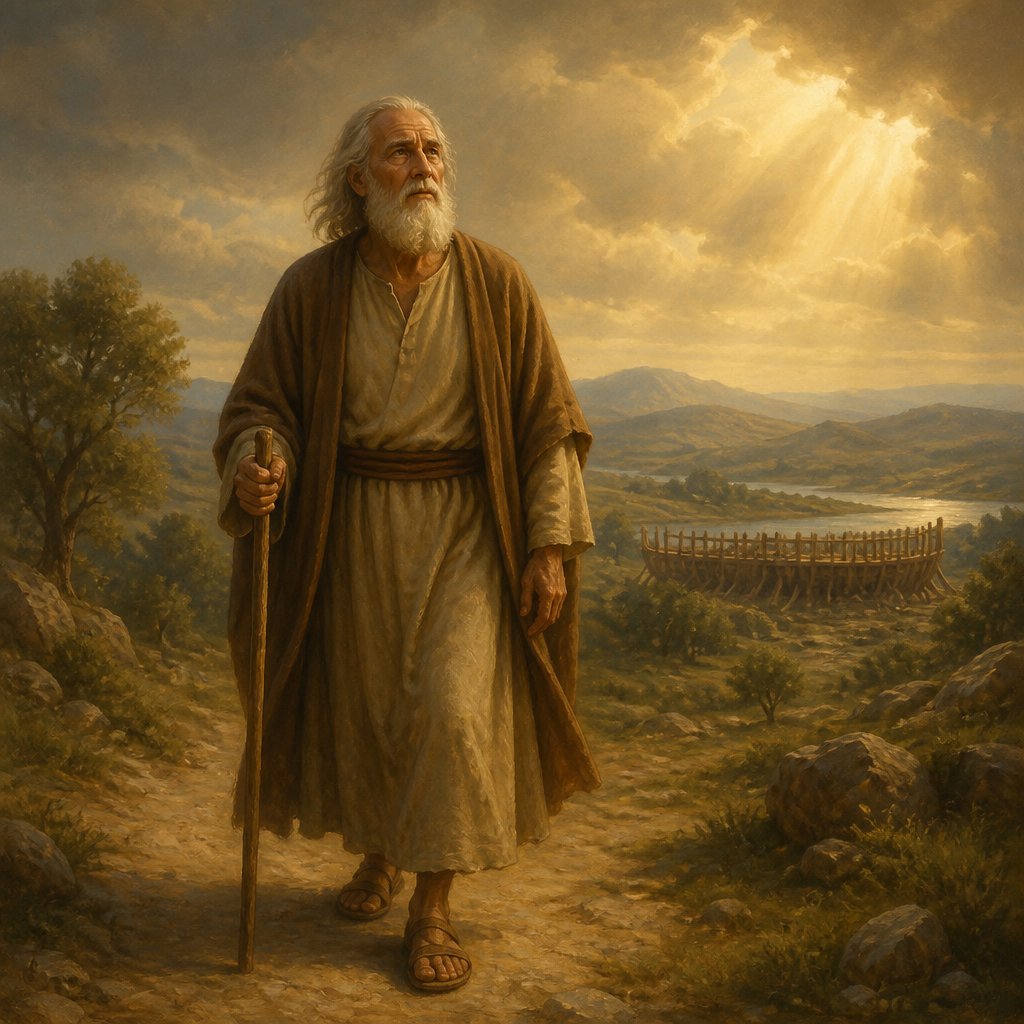
Genesis 6:9 in the King James Version of the Bible states, "These are the generations of Noah: Noah was a just man and perfect in his generations, and Noah walked with God." This verse marks the beginning of the story of Noah, a pivotal figure in the biblical narrative.
To truly understand the significance of this verse, it is important to place it within its broader context. In the preceding verses, the Bible describes a world that has become corrupt and filled with violence. God looks upon the earth and sees that the wickedness of man has become great, and that every inclination of the thoughts of his heart is only evil continually. As a result, God decides to bring a flood upon the earth to destroy all living creatures, with the exception of Noah and his family.
In the midst of this backdrop of pervasive sin and corruption, Genesis 6:9 presents Noah as a stark contrast. He is described as a "just man" and "perfect in his generations." This does not mean that Noah was sinless, as the Bible is clear in stating that "all have sinned and fall short of the glory of God" (Romans 3:23). Rather, it signifies that Noah was righteous and upright in his conduct, and that he walked in obedience to God's commandments.
The phrase "perfect in his generations" has been the subject of much discussion and debate among biblical scholars. Some interpreters suggest that this phrase refers to Noah's physical perfection, suggesting that he was untainted by the corruption that had befallen other human lineages. Others argue that it points to Noah's moral and spiritual integrity, indicating that he and his family remained steadfast in their faith amidst a culture of moral decay. Regardless of the interpretation, the overarching message is clear - Noah stood out as a righteous and blameless man in the sight of God.
Furthermore, the verse proclaims that "Noah walked with God." This phrase speaks to the deep intimacy and communion that Noah shared with God. In the Bible, the act of "walking with God" denotes a close and personal relationship with Him. It is a metaphor for a life lived in alignment with God's will, where one seeks to know, love, and obey Him in every aspect of life. Noah's walk with God was characterized by his unwavering faith, obedience, and devotion to God.
As a result of Noah's righteousness and his close relationship with God, he was chosen by God to carry out a monumental task - the construction of an ark to preserve himself, his family, and representatives of every living creature from the impending flood. This serves as a powerful testament to the impact of a life lived in faithfulness and obedience to God.
The themes of righteousness, obedience, and faith are central to the message of Genesis 6:9. It highlights the importance of living a life that is pleasing to God amidst a culture of moral degeneration. It also emphasizes the significance of cultivating a deep and abiding relationship with God, which ultimately leads to His favor and blessing.
The story of Noah and the flood also carries important lessons about God's judgment and mercy. While God's wrath was poured out on the sinful world, His mercy ultimately prevailed as He provided a way of salvation for Noah and his family. This narrative ultimately points to the redemptive work of God and His desire to rescue and save those who are faithful to Him.
In conclusion, Genesis 6:9 serves as a powerful introduction to the story of Noah, presenting him as a man of righteousness and faith, who walked closely with God amidst a world full of sin and corruption. It underscores the importance of living a life of obedience and devotion to God, as well as the profound impact that such a life can have in carrying out God's purposes. The verse also provides a compelling illustration of God's judgment and mercy, ultimately pointing to the redemptive work of God through the salvation provided to Noah and his family.
Get our apps


Artwork for Genesis 6:9

Genesis 6:9 - "¶ These are the generations of Noah: Noah was a just man and perfect in his generations, and Noah walked with God."
"¶ These are the generations of Noah: Noah was a just man and perfect in his generations, and Noah walked with God." - Genesis 6:9

Genesis 9:6 - "Whoso sheddeth man's blood, by man shall his blood be shed: for in the image of God made he man."
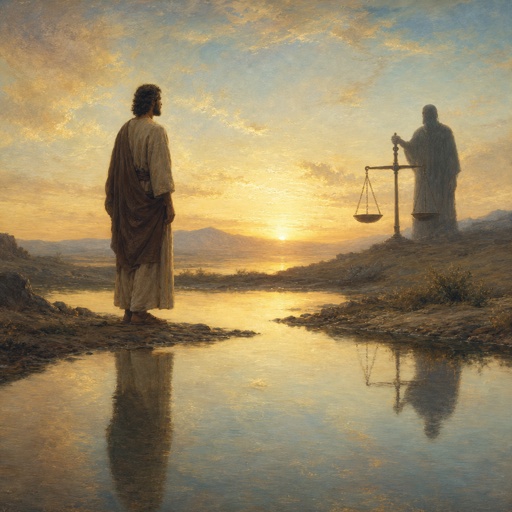
"Whoso sheddeth man's blood, by man shall his blood be shed: for in the image of God made he man." - Genesis 9:6

Genesis 16:9

Genesis 22-9

Genesis 15:9

Genesis 9:13

Genesis 1:6-8

Genesis 1:6-8

Genesis 20:9

Genesis 2:9

Genesis 49:9

Genesis 18-9

Genesis 23-9

Genesis 22-9

Genesis 24-9

Genesis 21:9

Genesis 19-9

Genesis 25-9

Genesis 17:9

Genesis 26:9

Genesis 19-6

Genesis 29-6

Genesis 18-6

Genesis 17:6

Genesis 23-6

Genesis 18-6

Genesis 9:9 - "And I, behold, I establish my covenant with you, and with your seed after you;"

Genesis 16:6