What does Genesis 7:18 mean?
“And the waters prevailed, and were increased greatly upon the earth; and the ark went upon the face of the waters.” — Genesis 7:18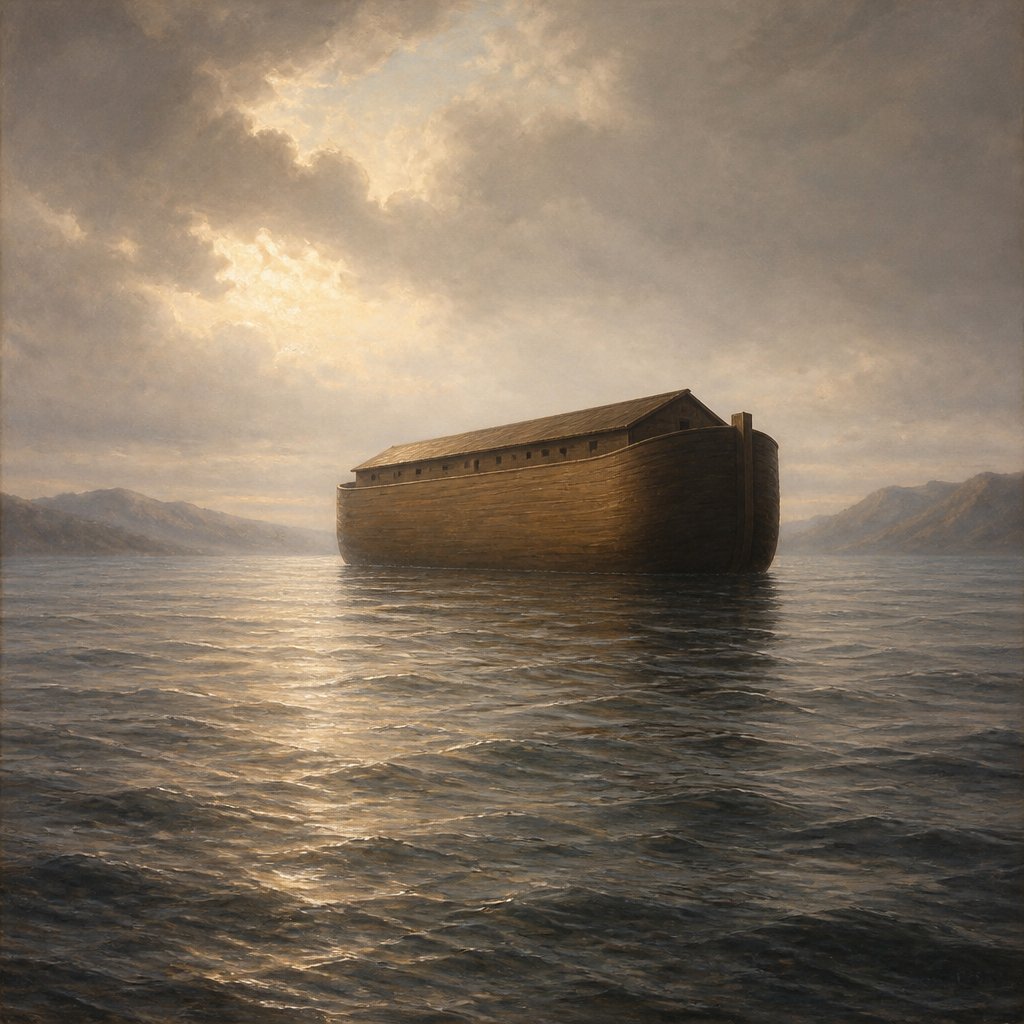
Genesis 7:18 (KJV) reads:
"And the waters prevailed, and were increased greatly upon the earth; and the ark went upon the face of the waters."
This verse is part of the story of Noah and the great flood, a well-known biblical event with deep theological and symbolic significance. The flood account is a pivotal part of the book of Genesis and is foundational to understanding several key themes and concepts in the Bible.
The flood narrative in Genesis 6-9 is a story of judgment, salvation, and divine sovereignty. It begins with God observing the corruption and violence that had filled the earth and decides to bring a catastrophic flood to cleanse the world. However, God in his mercy spares Noah and his family, commanding them to build an ark to be saved from the impending destruction. Once Noah and his family, along with the various species of animals, are safely inside the ark, the floodwaters cover the earth, and all life outside the ark is extinguished.
In Genesis 7:18, we see the narrative reach its climax as the waters of the flood "prevailed, and were increased greatly upon the earth." This description of the flood's devastation emphasizes the all-encompassing nature of God's judgment. The ark, which had been constructed to God's precise instructions, "went upon the face of the waters," serving as a symbol of God's provision and protection for those who remained faithful to him.
This verse has several important themes that are central to the Christian faith. Firstly, it demonstrates the power and authority of God as the ultimate judge over all creation. The flood was a demonstration of his justice and holiness, as he punished the wickedness and sin that had pervaded the earth. This reaffirms the biblical concept of God as righteous and just, and the necessity of living in obedience to his will.
Secondly, the story of the flood also signifies the importance of faith and obedience. Noah's unwavering trust in God's command to build the ark, as well as his obedience in gathering the animals and entering the vessel, serves as a powerful example of faithfulness. This theme is echoed in the New Testament, where the author of Hebrews cites Noah as an exemplar of faith (Hebrews 11:7).
Another theme present in this verse is the concept of divine salvation. The ark, which carried Noah and his family through the flood, can serve as a symbol of God's grace and deliverance. Just as the ark provided refuge from the waters of judgment, so too does God provide a means of salvation for humanity through the person of Jesus Christ. The flood narrative foreshadows the redemptive work of Christ, emphasizing the idea that God's grace and mercy are extended to those who trust in him.
Furthermore, this verse highlights the providence of God, as the ark was guided and protected by his hand amidst the chaotic waters. The fact that the ark "went upon the face of the waters" suggests that God was in control, orchestrating the course of the flood and ensuring the safety of those inside the ark. This concept of divine providence is a recurring theme throughout the Bible, illustrating God's active involvement in the affairs of humanity.
The flood account in Genesis 7:18 also has significant symbolic value. The waters of the flood can be interpreted as a representation of chaos and destruction, which threaten to engulf and consume all life. In this sense, the ark serves as a symbol of refuge and deliverance, depicting God as the one who provides shelter and safety in the midst of turmoil. This symbol takes on additional meaning when viewed in light of the New Testament, where the apostle Peter refers to the flood as a type of Christian baptism, emphasizing the theme of purification and new life (1 Peter 3:20-21).
In conclusion, Genesis 7:18 is a verse that holds profound theological, symbolic, and moral significance. It not only reveals important truths about God's character and sovereignty but also conveys timeless lessons about faith, obedience, and the reality of divine judgment and salvation. The flood narrative continues to serve as a powerful reminder of God's holiness, mercy, and ultimate authority over the created order.
Get our apps


Artwork for Genesis 7:18

Genesis 7:18 - "And the waters prevailed, and were increased greatly upon the earth; and the ark went upon the face of the waters."
"And the waters prevailed, and were increased greatly upon the earth; and the ark went upon the face of the waters." - Genesis 7:18

Genesis 18-7
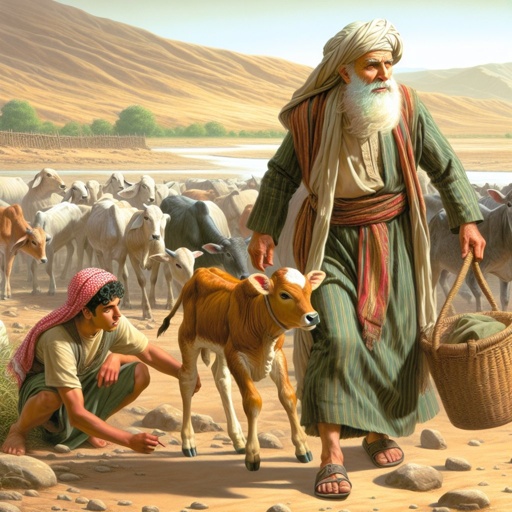
Genesis 18:7 - "And Abraham ran unto the herd, and fetcht a calf tender and good, and gave it unto a young man; and he hasted to dress it."
Genesis 18-18

Genesis 24-18

Genesis 18-12

Genesis 18-26

Genesis 17-18

Genesis 18-32

Genesis 18-30

Genesis 18-25

Genesis 26:18

Genesis 22-18

Genesis 18-10

Genesis 18-16

Genesis 18:25

Genesis 18-9

Genesis 18-2

Genesis 18-19
Genesis 15:18

Genesis 18-1

Genesis 23-18

Genesis 18-28

Genesis 18-14

Genesis 25-18

Genesis 18-22

Genesis 20-18

Genesis 18-3

Genesis 18-17