What does Genesis 8:12 mean?
“And he stayed yet other seven days; and sent forth the dove; which returned not again unto him any more.” — Genesis 8:12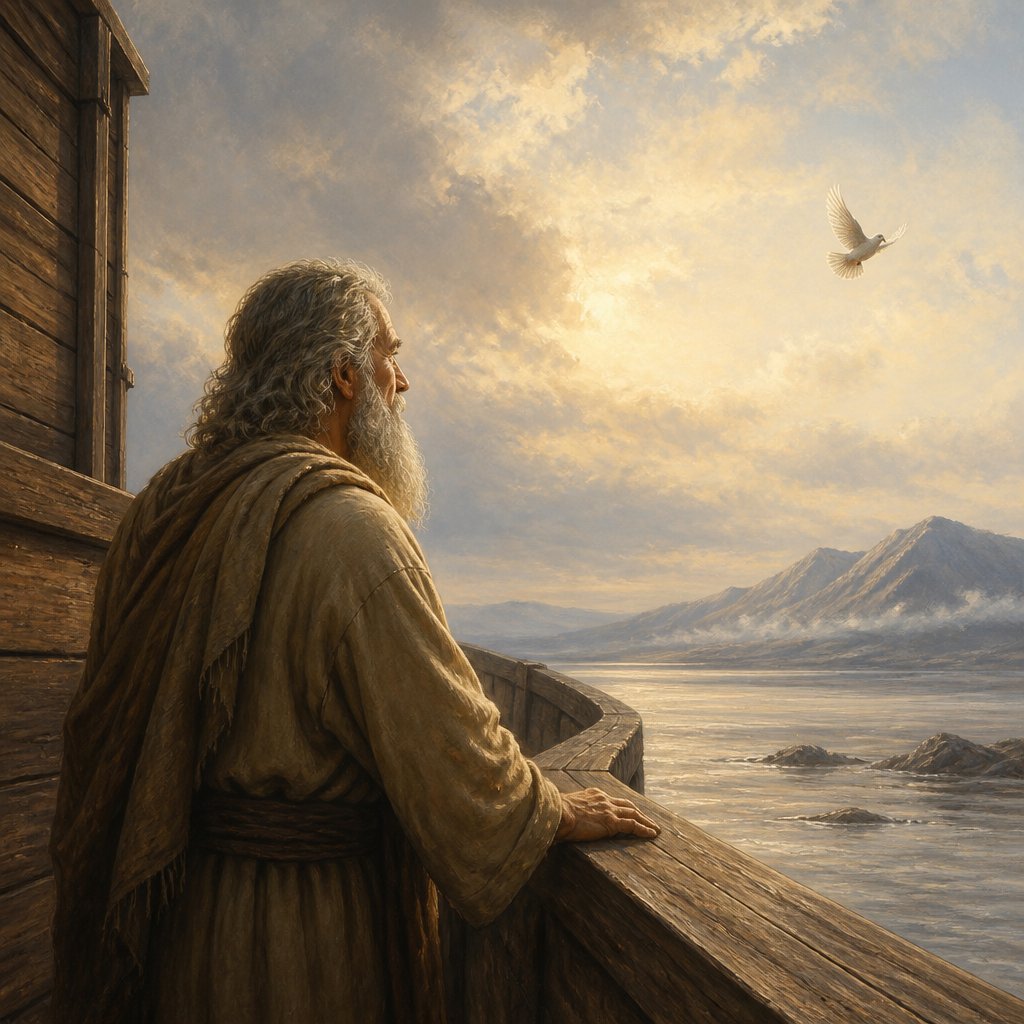
Genesis 8:12 (KJV) says, "And he stayed yet other seven days; and sent forth the dove; which returned not again unto him any more."
This verse comes from the book of Genesis in the Old Testament. It is part of the story of Noah and the great flood. In the preceding verses, we learn that after the flood has subsided, Noah sends out a raven and a dove to see if the waters have receded. This verse specifically speaks to the second time Noah sends out the dove, after waiting for seven more days after the first attempt.
The flood in the Bible is a significant event, often linked with themes of judgment, mercy, and the covenant between God and humanity. The story of Noah and the flood is one of the most well-known and frequently retold stories in the Bible. It has numerous layers of meaning and significance, and this verse in particular has much to offer in terms of symbolism and deeper interpretation.
First, the imagery of the dove is rich with symbolism. In the Bible, doves are often associated with peace, purity, and the Holy Spirit. This can be seen in the New Testament as well, when the Spirit of God descends upon Jesus in the form of a dove at his baptism. When Noah sends out the dove, he is seeking a sign of hope and restoration after the devastation of the flood. In this context, the dove can be seen as a symbol of God's presence and promise, as well as a sign of the end of judgment and the beginning of a new era.
The seven days that Noah waits before sending out the dove again also hold symbolic significance. In the Bible, the number seven often represents completion and perfection. In this case, it can be seen as a period of waiting for God's timing and fulfillment of his promises. It also represents a time of patience and trust in God's guidance, as Noah waits for the right moment to release the dove and receive the sign he is seeking.
The return of the dove, having found no resting place, is a key moment in the story. It signifies that the waters have not yet receded enough for the world to be habitable again. This moment is a reminder of the ongoing presence of the flood and the need for continued patience and trust in God's timing. It also demonstrates Noah's diligence in seeking out God's will and his commitment to following it faithfully.
In a broader context, this verse can also be seen as a reflection of the human experience. Just as Noah sends out the dove in search of a sign of hope and restoration, we too often find ourselves seeking signs and reassurance in our own lives. This verse serves as a reminder of the importance of patience, trust, and perseverance in the face of uncertainty and adversity. It encourages us to wait for God's timing and remain steadfast in our faith, even when the journey is long and the signs are not immediately forthcoming.
Overall, Genesis 8:12 is a verse that is rich in symbolism and meaning. It captures the themes of hope, patience, and trust in God's timing, as well as the ongoing presence of God's promise in the midst of a world still recovering from judgment. It serves as a powerful reminder of the need for perseverance and faith in the face of uncertainty, and the assurance that God's promises will be fulfilled in due time.
Get our apps


Artwork for Genesis 8:12

Genesis 8:12 - "And he stayed yet other seven days; and sent forth the dove; which returned not again unto him any more."
"And he stayed yet other seven days; and sent forth the dove; which returned not again unto him any more." - Genesis 8:12
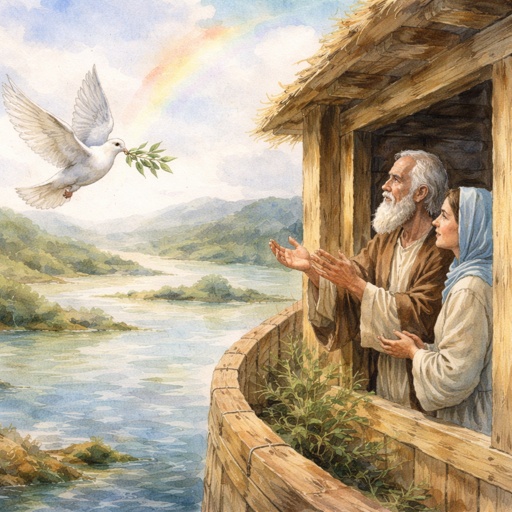
genesis 8:10-12

Genesis 12:8 - "And he removed from thence unto a mountain on the east of Beth-el, and pitched his tent, having Beth-el on the west, and Hai on the east: and there he builded an altar unto the LORD, and called upon the name of the LORD."

Genesis 12

Genesis 1:6-8

Genesis 1:6-8

Genesis 28-12

Genesis 22-12

Genesis 17-12

Genesis 21-12

Genesis 20-12

Genesis 18-12

Genesis 16:12

Genesis 39:12

Genesis 25:12

Genesis 15:12

Genesis 19-12

Genesis 23-12

Genesis 24-12

Genesis 3:8

genesis 8:11

Genesis 22-8

Genesis 8:11

genesis 8:11

Genesis 3:8

genesis 8:11

Genesis 23-8

Genesis 17:8

Genesis 8:11