What does Genesis 9:29 mean?
“And all the days of Noah were nine hundred and fifty years: and he died.” — Genesis 9:29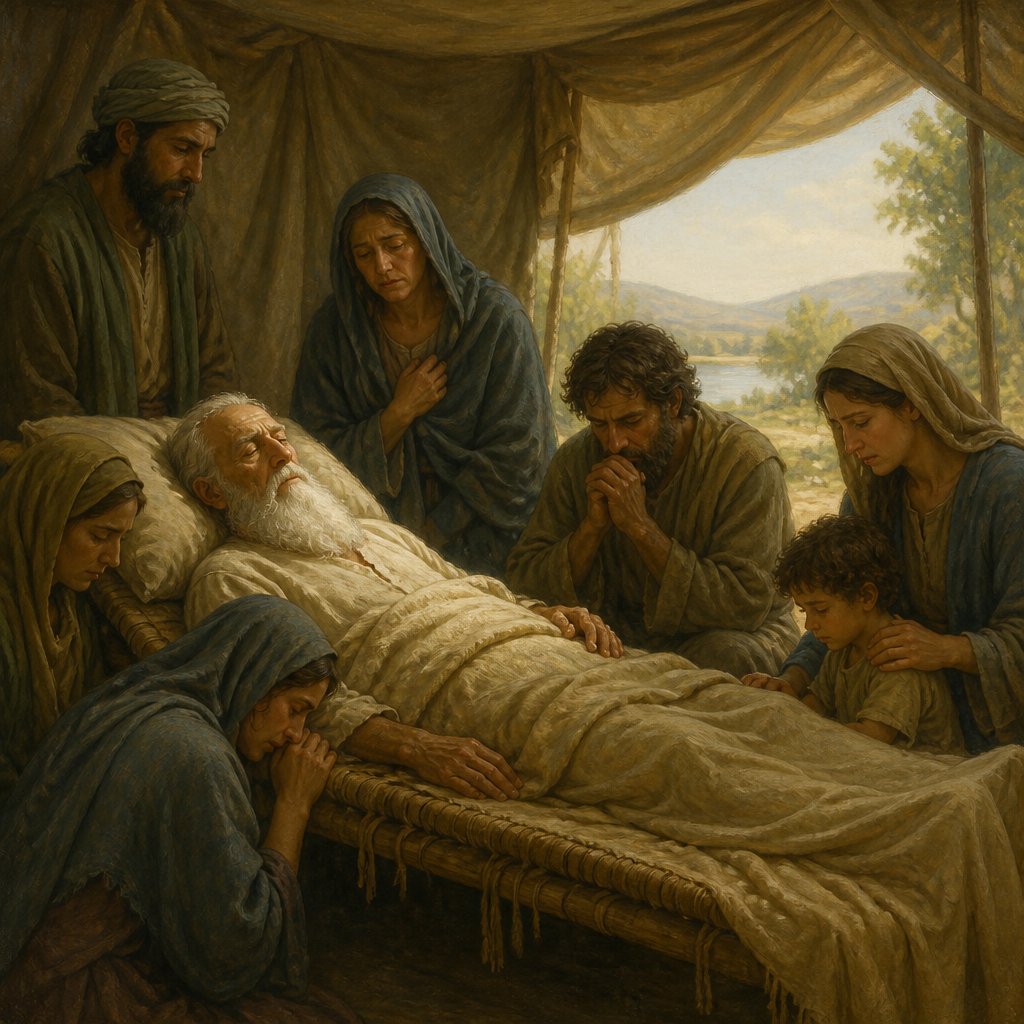
Genesis 9:29 (KJV) - "And all the days of Noah were nine hundred and fifty years: and he died."
This verse concludes the account of Noah and his role in the biblical narrative, serving as a pivotal moment in the larger context of the Genesis story. In this verse, we are informed of the length of Noah's life, and the finality of his existence as he passes away.
First and foremost, the verse provides a concrete conclusion to the life of Noah, a figure who played a central role in the biblical flood narrative. After surviving the catastrophic flood that wiped out all life on earth, Noah is depicted as a righteous man who obeyed and followed God's instructions to build an ark and save himself, his family, and two of every kind of animal. Throughout the account, Noah's unwavering faith and obedience to God set him apart as a figure of moral and spiritual significance. His death, then, signals the passing of an era and the end of a crucial chapter in the history of humanity.
The verse also reflects the broader theme of mortality that runs throughout the Bible. Noah's long life of nine hundred and fifty years is emblematic of the lifespans of figures in the pre-flood era, as described in the Bible. The longevity of these ancient figures reflects the original design of humanity to live for extended periods. However, following the flood and as a result of God's judgment, human lifespan is significantly reduced (Genesis 6:3). In this sense, Noah's death stands as a reminder of human mortality and the consequences of sin.
Furthermore, the verse serves as a reminder of the consequences of sin and the ultimate fate of all humanity. Despite his righteousness and faithfulness, Noah ultimately succumbs to death, emphasizing the universal truth that all humans are subject to mortality. This realization underscores the biblical doctrine of original sin, wherein all humanity is tainted by the Fall and destined to face physical death as a result.
Within the broader context of the book of Genesis, this verse also foreshadows the continuing narrative of God's plan for humanity. With Noah's passing, the focus shifts to his descendants and the new chapters in the unfolding story of the nation of Israel. The continuation of the bloodline of Noah and the subsequent generations sets the stage for the establishment of God's chosen people, laying the groundwork for the fulfillment of God's covenant with Abraham and the eventual birth of Jesus Christ.
In terms of symbolism, the death of Noah can also be seen as a metaphor for spiritual rebirth and renewal. Just as the flood waters cleansed the earth of sin and corruption, Noah's death can be viewed as a transition to a new phase in the biblical narrative. This transition aligns with the biblical theme of redemption and new beginnings, as seen in God's promises and covenants throughout the Old Testament.
In conclusion, Genesis 9:29 (KJV) encapsulates a wealth of thematic, contextual, and symbolic significance within the broader biblical narrative. As the concluding verse of Noah's life, it serves as a testament to the transient nature of human life, the consequences of sin, and the ongoing fulfillment of God's plan for humanity. The verse's inclusion in the biblical text underscores its enduring spiritual and theological relevance, offering readers a profound reflection on the human condition and the overarching purposes of God.
Get our apps


Artwork for Genesis 9:29

Genesis 9:29 - "And all the days of Noah were nine hundred and fifty years: and he died."
"And all the days of Noah were nine hundred and fifty years: and he died." - Genesis 9:29

Genesis 29:9 - "¶ And while he yet spake with them, Rachel came with her father's sheep: for she kept them."

Genesis 29:29 - "And Laban gave to Rachel his daughter Bilhah his handmaid to be her maid."

Genesis 29-2

Genesis 29-6

Genesis 29-5

Genesis 42:29

Genesis 29-7

Genesis 29:1

Genesis 18-29

Genesis 26:29

Genesis 29-3

Genesis 19-29

Genesis 29-8

Genesis 29-4

Genesis 21-29

Genesis 24-29
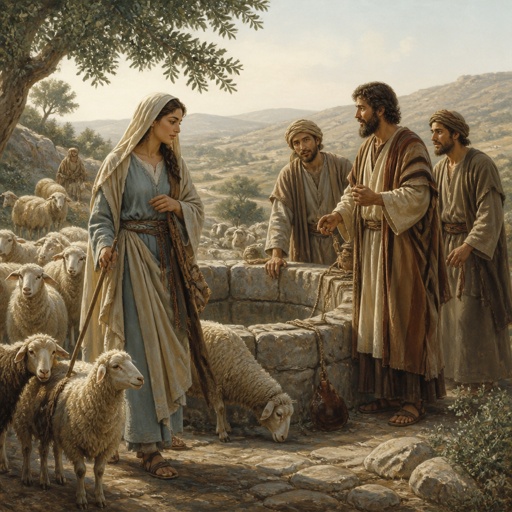
"¶ And while he yet spake with them, Rachel came with her father's sheep: for she kept them." - Genesis 29:9

Genesis 29:16-35

Genesis 29:15-30

luke 9:29- 30

Genesis 10:29 - "And Ophir, and Havilah, and Jobab: all these were the sons of Joktan."

Genesis 29:17 - "Leah was tender eyed; but Rachel was beautiful and well favoured."

Genesis 29:11 - "And Jacob kissed Rachel, and lifted up his voice, and wept."

Genesis 29:1 - "Then Jacob went on his journey, and came into the land of the people of the east."

Genesis 29:22 - "And Laban gathered together all the men of the place, and made a feast."

Genesis 25:29 - "And Jacob sod pottage: and Esau came from the field, and he was faint:"

Job 29:9 - "The princes refrained talking, and laid their hand on their mouth."

Job 9:29 - "If I be wicked, why then labour I in vain?"