What does Genesis 9:6 mean?
“Whoso sheddeth man’s blood, by man shall his blood be shed: for in the image of God made he man.” — Genesis 9:6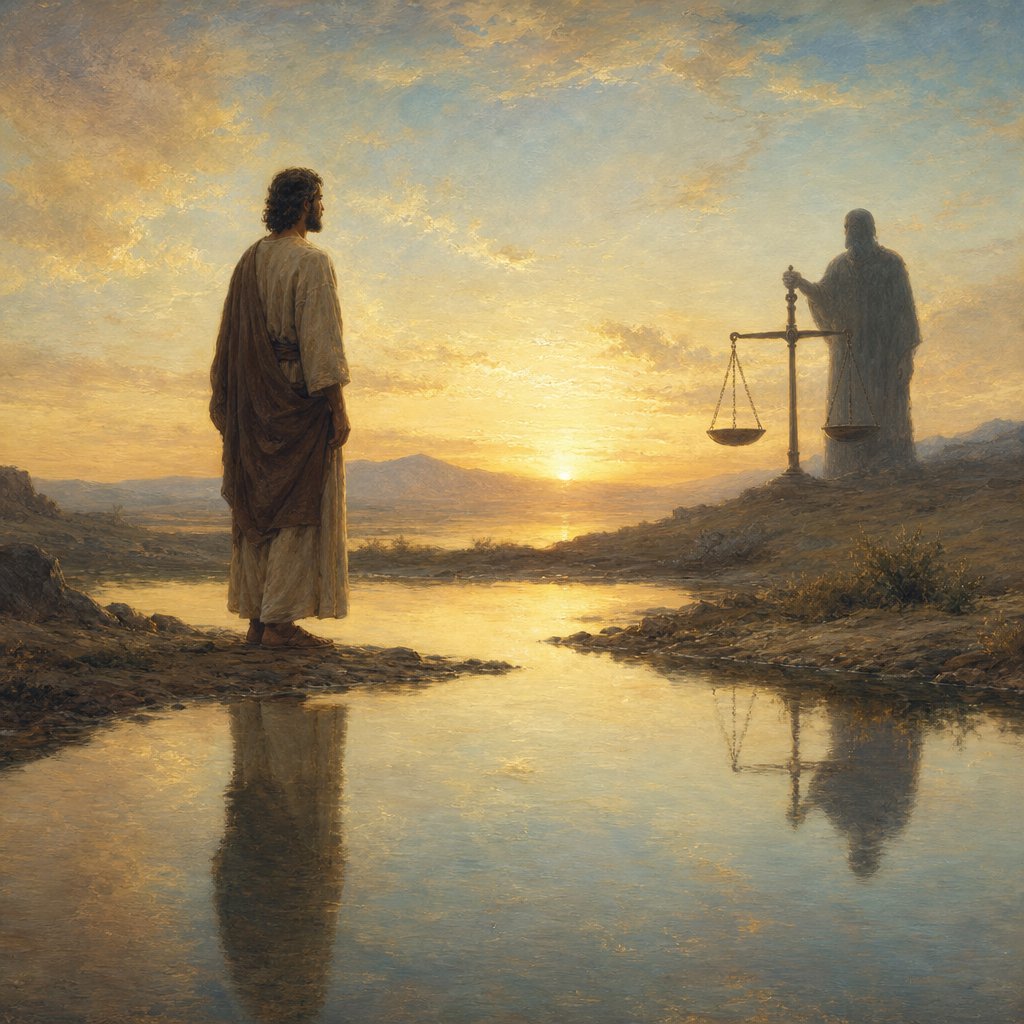
Genesis 9:6 (KJV) "Whoso sheddeth man's blood, by man shall his blood be shed: for in the image of God made he man."
This verse from the book of Genesis is part of the Old Testament of the Bible and is a part of the story of Noah and the flood. In this verse, God is speaking to Noah and his family after the flood has subsided and they are given the commandment to repopulate the earth. This verse specifically addresses the issue of murder and lays out God's commandment for how murderers should be punished.
The theme of the sanctity of human life is central to this verse. The idea that human beings are created in the image of God is a foundational belief in Christianity and Judaism, and this verse emphasizes the importance of this belief. By stating that "in the image of God made he man," the verse highlights the divine origins of human life and the inherent value and dignity that comes with it. This theme reinforces the idea that human life is sacred and should be treated with respect and reverence.
The verse also addresses the issue of justice and punishment. The phrase "Whoso sheddeth man's blood, by man shall his blood be shed" is often interpreted as a commandment for the implementation of capital punishment for murderers. This has been a highly debated and controversial topic throughout history, and this verse is often cited by advocates of capital punishment to support their position. However, it is important to note that the interpretation and application of this verse has varied greatly among different religious and cultural traditions.
In addition to addressing the moral and ethical implications of murder, this verse also carries significant legal and societal implications. By establishing a form of retributive justice, this verse lays the groundwork for the development of legal systems and judicial processes. This verse highlights the importance of establishing laws and systems of justice that hold individuals accountable for their actions and provide consequences for those who violate the sanctity of human life.
The symbolism of this verse is closely tied to the broader themes of the book of Genesis and the Old Testament as a whole. The story of Noah and the flood is a foundational narrative that explores the moral and spiritual dimensions of humanity and the relationship between humanity and God. This verse, in particular, serves as a reminder of the divine value of human life and the responsibility that comes with it.
Furthermore, this verse can also be seen as a precursor to the Ten Commandments and the establishment of moral and ethical guidelines for human behavior. The emphasis on the consequences of shedding innocent blood reflects the broader themes of justice, righteousness, and accountability that are woven throughout the biblical narrative.
In conclusion, Genesis 9:6 is a verse that carries significant moral, ethical, and legal implications. It addresses the sanctity of human life, the importance of justice and accountability, and the divine origins of humanity. This verse is a powerful reminder of the values and principles that underpin the Judeo-Christian tradition and continue to shape our understanding of morality and justice.
Get our apps


Artwork for Genesis 9:6

Genesis 9:6 - "Whoso sheddeth man's blood, by man shall his blood be shed: for in the image of God made he man."
"Whoso sheddeth man's blood, by man shall his blood be shed: for in the image of God made he man." - Genesis 9:6

Genesis 6:9 - "¶ These are the generations of Noah: Noah was a just man and perfect in his generations, and Noah walked with God."
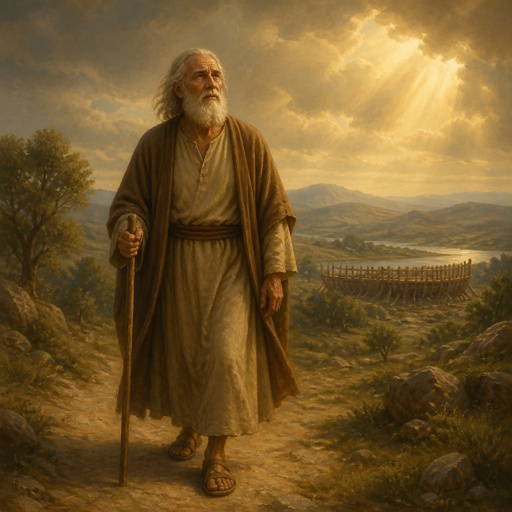
"¶ These are the generations of Noah: Noah was a just man and perfect in his generations, and Noah walked with God." - Genesis 6:9

Genesis 16:9

Genesis 22-9

Genesis 15:9

Genesis 9:13

Genesis 1:6-8

Genesis 1:6-8

Genesis 20:9

Genesis 2:9

Genesis 49:9

Genesis 18-9

Genesis 23-9

Genesis 22-9

Genesis 24-9

Genesis 21:9

Genesis 19-9

Genesis 25-9

Genesis 17:9

Genesis 26:9

Genesis 19-6

Genesis 29-6

Genesis 18-6

Genesis 17:6

Genesis 23-6

Genesis 18-6

Genesis 9:9 - "And I, behold, I establish my covenant with you, and with your seed after you;"

Genesis 16:6