What does Habakkuk 1:8 mean?
“Their horses also are swifter than the leopards, and are more fierce than the evening wolves: and their horsemen shall spread themselves, and their horsemen shall come from far; they shall fly as the eagle that hasteth to eat.” — Habakkuk 1:8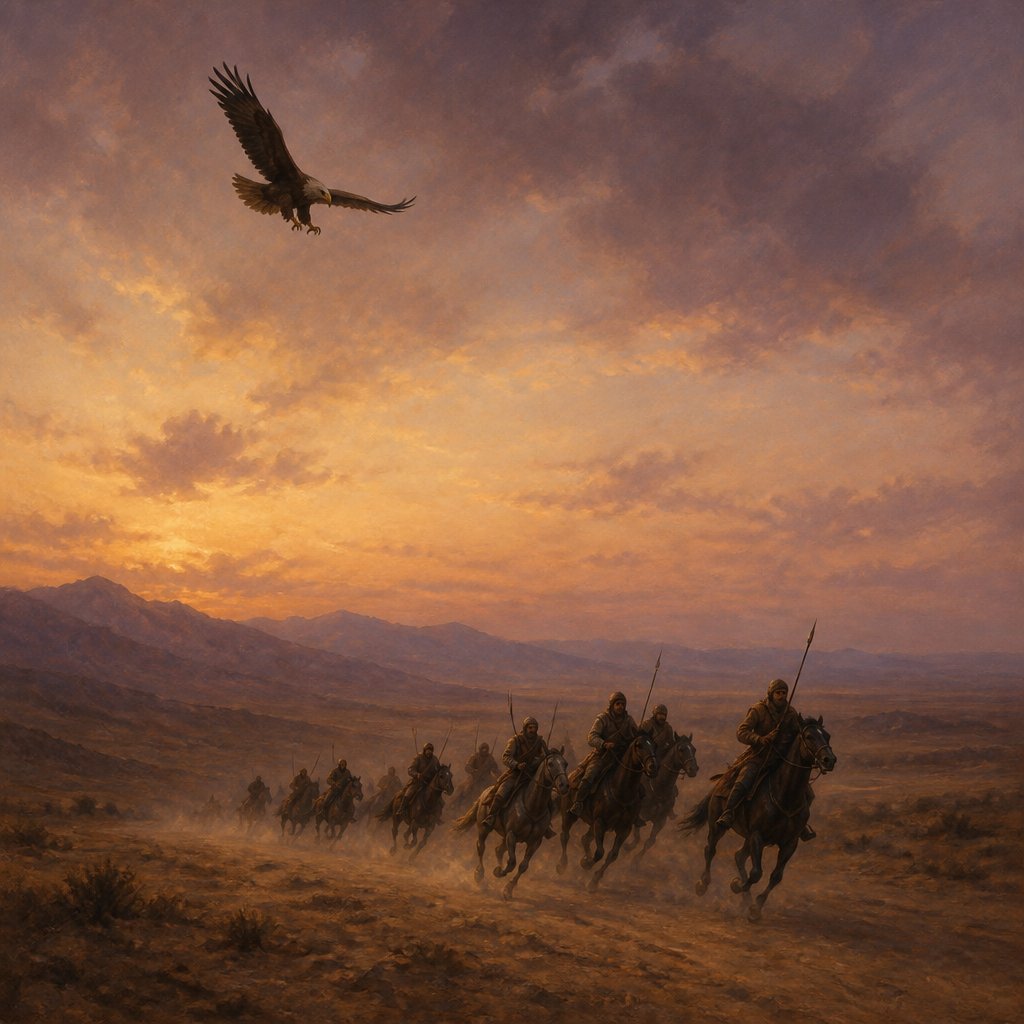
The verse Habakkuk 1:8 from the King James Version of the Bible reads:
"Their horses also are swifter than the leopards, and are more fierce than the evening wolves: and their horsemen shall spread themselves, and their horsemen shall come from far; they shall fly as the eagle that hasteth to eat."
This verse is part of the prophecy of Habakkuk, a minor prophet in the Old Testament. In this book, the prophet is addressing the injustice and wickedness that he sees in the world around him, particularly within the nation of Judah. He is struggling to understand why God allows evil to prevail and is seeking answers from God.
In this particular verse, Habakkuk is describing the wicked and ruthless nature of the Babylonian army. He uses vivid and powerful imagery to convey the strength and speed of their horses, likening them to leopards and wolves. The Babylonian horsemen are portrayed as relentless and unstoppable, coming from far away and moving swiftly like eagles swooping down to devour their prey.
The themes present in this verse include the concept of divine judgment, the power of evil, and the sovereignty of God. The verse reflects the prophet's despair and fear in the face of the impending Babylonian invasion, and his struggle to reconcile the evil actions of the Babylonians with God's justice and righteousness.
The context of this verse is important to understand its full significance. The book of Habakkuk was likely written during a time of political upheaval and turmoil in Judah, possibly in the years leading up to the Babylonian conquest of Jerusalem in 586 BC. Habakkuk's prophecies served as a warning to the people of Judah about the consequences of their disobedience and unrighteousness, as well as a reminder of God's faithfulness and ultimate justice.
Symbolism plays a significant role in this verse, as Habakkuk employs powerful and evocative imagery to convey the strength and ferocity of the Babylonian army. The swiftness of their horses symbolizes their military prowess and their ability to conquer and subdue nations. The comparison to leopards and evening wolves underscores the predatory and ruthless nature of the Babylonian forces, and their eagerness to devour and destroy.
Ultimately, this verse serves as a reminder of the consequences of sin and the reality of divine judgment. It also highlights the tension between the apparent triumph of evil in the world and the eventual fulfillment of God's purposes. Habakkuk's struggle to understand the ways of God and to trust in His sovereignty is a timeless and universal theme that resonates with believers throughout history.
Overall, Habakkuk 1:8 is a powerful and evocative verse that captures the prophet's anguish and despair in the face of impending disaster, while also pointing to the ultimate victory of God's righteousness and justice. It provides a poignant reflection on the complexities of human suffering and the unwavering faithfulness of God, making it a profound and meaningful passage for believers today.
Get our apps


Artwork for Habakkuk 1:8
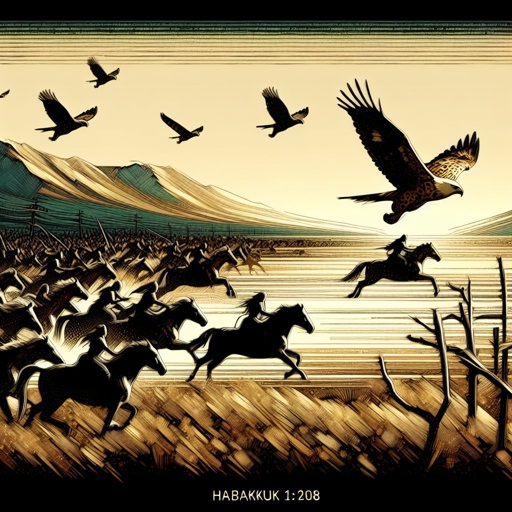
Habakkuk 1:8 - "Their horses also are swifter than the leopards, and are more fierce than the evening wolves: and their horsemen shall spread themselves, and their horsemen shall come from far; they shall fly as the eagle that hasteth to eat."
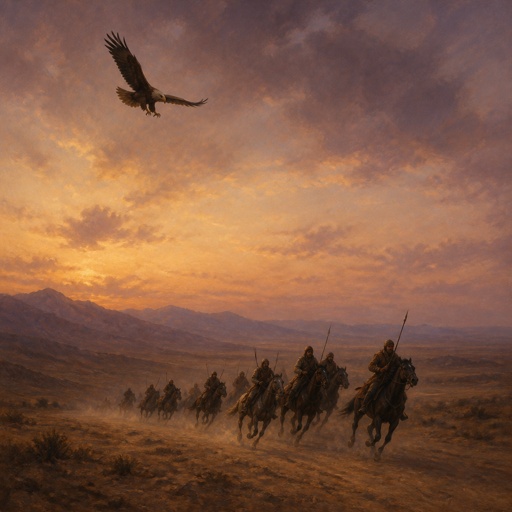
"Their horses also are swifter than the leopards, and are more fierce than the evening wolves: and their horsemen shall spread themselves, and their horsemen shall come from far; they shall fly as the eagle that hasteth to eat." - Habakkuk 1:8

Habakkuk 1:1 - "The burden which Habakkuk the prophet did see."

"The burden which Habakkuk the prophet did see." - Habakkuk 1:1

Habakkuk 3:1 - "A prayer of Habakkuk the prophet upon Shigionoth."

"A prayer of Habakkuk the prophet upon Shigionoth." - Habakkuk 3:1

"A prayer of Habakkuk the prophet upon Shigionoth." - Habakkuk 3:1

Habakkuk 2:1-3

Habakkuk 1:7 - "They are terrible and dreadful: their judgment and their dignity shall proceed of themselves."

Habakkuk 1:17 - "Shall they therefore empty their net, and not spare continually to slay the nations?"

Habakkuk 1:14 - "And makest men as the fishes of the sea, as the creeping things, that have no ruler over them?"
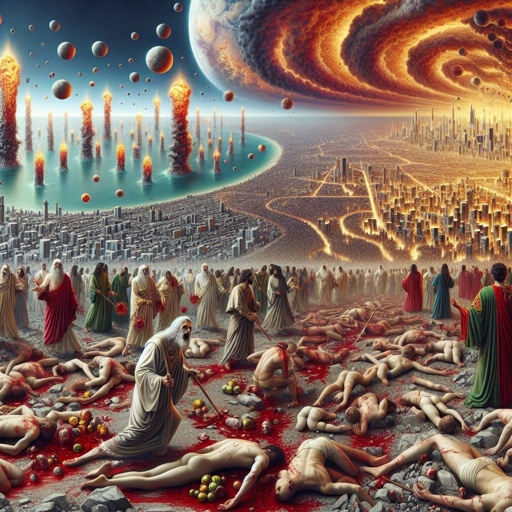
Habakkuk 2:8 - "Because thou hast spoiled many nations, all the remnant of the people shall spoil thee; because of men's blood, and for the violence of the land, of the city, and of all that dwell therein."
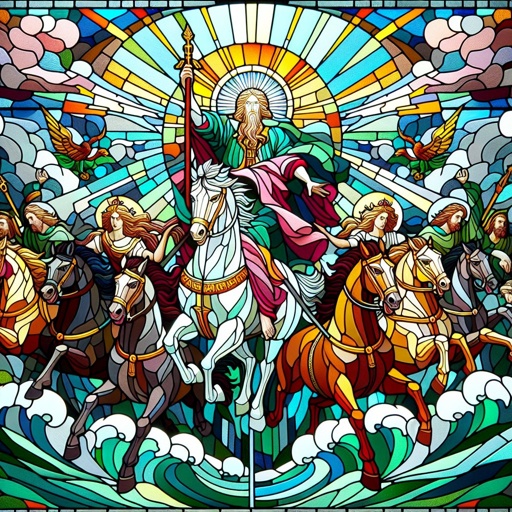
Habakkuk 3:8 - "Was the LORD displeased against the rivers? was thine anger against the rivers? was thy wrath against the sea, that thou didst ride upon thine horses and thy chariots of salvation?"

Habakkuk 1:16 - "Therefore they sacrifice unto their net, and burn incense unto their drag; because by them their portion is fat, and their meat plenteous."

Habakkuk 1:11 - "Then shall his mind change, and he shall pass over, and offend, imputing this his power unto his god."

"They are terrible and dreadful: their judgment and their dignity shall proceed of themselves." - Habakkuk 1:7

Habakkuk 1:6 - "For, lo, I raise up the Chaldeans, that bitter and hasty nation, which shall march through the breadth of the land, to possess the dwellingplaces that are not their's."

Habakkuk 1:9 - "They shall come all for violence: their faces shall sup up as the east wind, and they shall gather the captivity as the sand."

Habakkuk 1:15 - "They take up all of them with the angle, they catch them in their net, and gather them in their drag: therefore they rejoice and are glad."

Habakkuk 1:5 - "¶ Behold ye among the heathen, and regard, and wonder marvellously: for I will work a work in your days, which ye will not believe, though it be told you."

"I will stand upon my watch, and set me upon the tower, and will watch to see what he will say unto me, and what I shall answer when I am reproved." - Habakkuk 2:1

Habakkuk 1:4 - "Therefore the law is slacked, and judgment doth never go forth: for the wicked doth compass about the righteous; therefore wrong judgment proceedeth."

Habakkuk 1:10 - "And they shall scoff at the kings, and the princes shall be a scorn unto them: they shall deride every strong hold; for they shall heap dust, and take it."

Habakkuk 1:3 - "Why dost thou shew me iniquity, and cause me to behold grievance? for spoiling and violence are before me: and there are that raise up strife and contention."
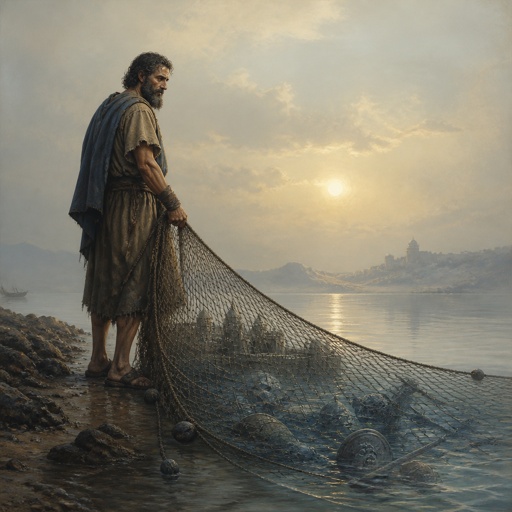
"Shall they therefore empty their net, and not spare continually to slay the nations?" - Habakkuk 1:17
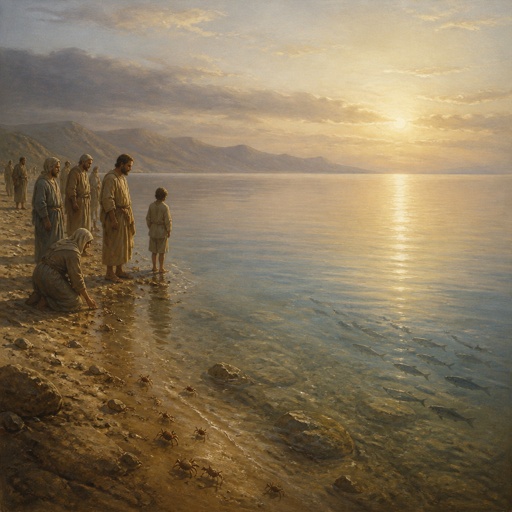
"And makest men as the fishes of the sea, as the creeping things, that have no ruler over them?" - Habakkuk 1:14

Habakkuk 1:2 - "O LORD, how long shall I cry, and thou wilt not hear! even cry out unto thee of violence, and thou wilt not save!"

Habakkuk 2:1 - "I will stand upon my watch, and set me upon the tower, and will watch to see what he will say unto me, and what I shall answer when I am reproved."
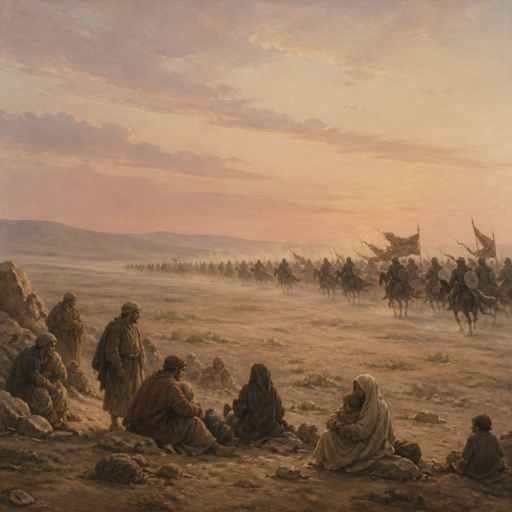
"They shall come all for violence: their faces shall sup up as the east wind, and they shall gather the captivity as the sand." - Habakkuk 1:9

Habakkuk 1:13 - "Thou art of purer eyes than to behold evil, and canst not look on iniquity: wherefore lookest thou upon them that deal treacherously, and holdest thy tongue when the wicked devoureth the man that is more righteous than he?"