What does Habakkuk 2:19 mean?
“Woe unto him that saith to the wood, Awake; to the dumb stone, Arise, it shall teach! Behold, it is laid over with gold and silver, and there is no breath at all in the midst of it.” — Habakkuk 2:19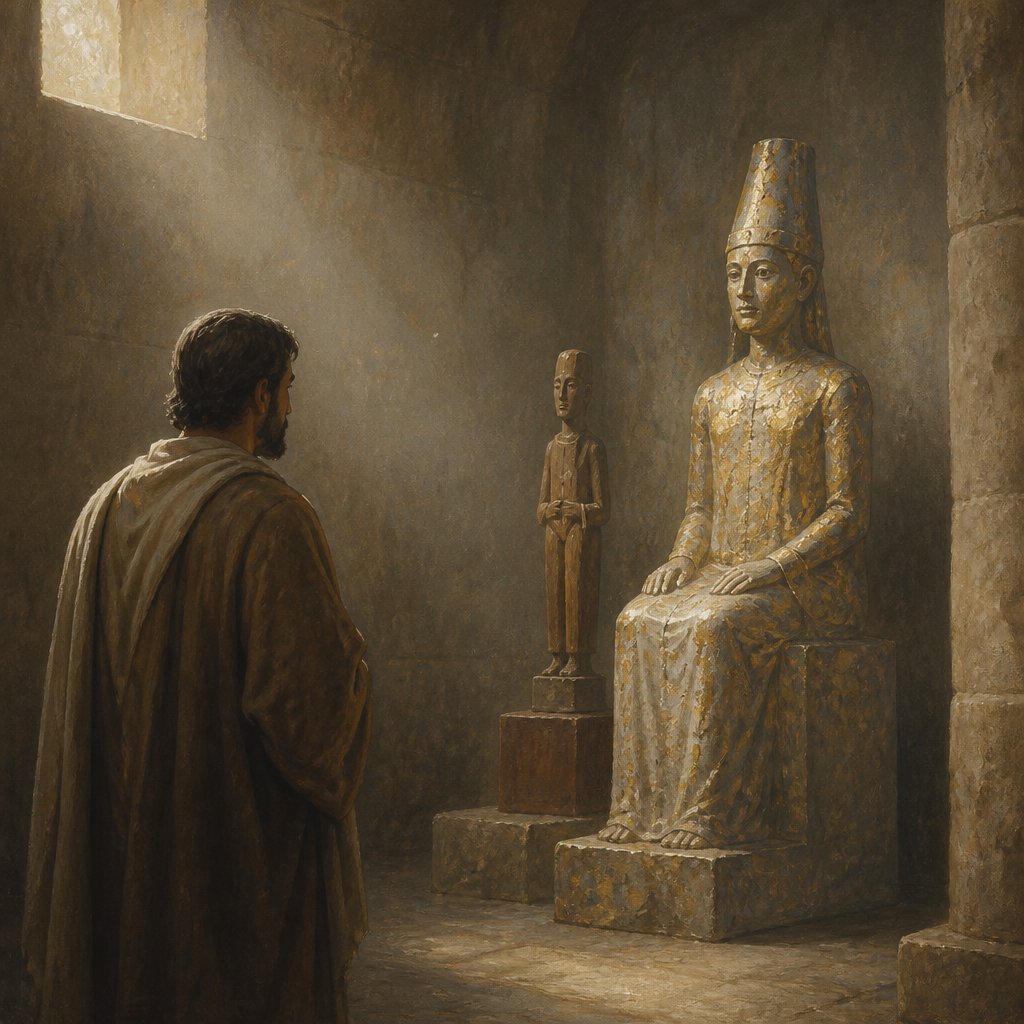
“Woe unto him that saith to the wood, Awake; to the dumb stone, Arise, it shall teach! Behold, it is laid over with gold and silver, and there is no breath at all in the midst of it.”
In this verse from the Book of Habakkuk in the Old Testament, the prophet Habakkuk is condemning the practice of idolatry. He speaks out against those who worship and seek guidance from inanimate objects, such as wooden idols and stone statues. The verse warns of the futility of turning to such lifeless objects for wisdom and guidance, as they are incapable of providing any real help or understanding.
This verse addresses a common theme in the Bible - the dangers and consequences of idolatry. Throughout the Old Testament, the Israelites are warned against the worship of false gods and idols, as it is considered a betrayal of their covenant with the one true God. The worship of idols was a prevalent issue in ancient societies, and the prophets often spoke out against this practice, emphasizing the importance of staying faithful to God alone.
Habakkuk's condemnation of idolatry also reflects a broader spiritual truth about the nature of God. The verse highlights the stark contrast between the living God, who is all-knowing and all-powerful, and the lifeless idols, which are mute and powerless. The prophet challenges the irrationality of placing trust in objects that are adorned with gold and silver, yet lack any form of consciousness or capability. In doing so, he reminds his audience of the inherent absurdity of idol worship.
The verse also serves as a reminder of the sovereignty and uniqueness of God. The imagery of a wooden idol being called to "awake" or a stone being told to "arise" emphasizes the contrast between the true God, who is always present and active, and the false gods, which are devoid of any life or energy. No matter how lavishly these idols may be adorned with precious metals, they remain nothing more than lifeless objects. It is a call for people to recognize the futility of seeking guidance or divine intervention from created objects, and instead to turn to the living God who alone has the power to save and to guide.
In addition to its spiritual significance, this verse also carries a message about the dangers of putting one's trust in material possessions. The idols mentioned in the verse are described as being covered with gold and silver, symbols of wealth and opulence. This serves as a warning against the misplaced trust in material wealth and the pursuit of materialistic gain. The prophet warns against the allure of wealth and luxury, emphasizing that true wisdom and guidance cannot be found in such things.
This verse from Habakkuk is a powerful reminder of the dangers of idolatry and the futility of seeking guidance from lifeless objects. It emphasizes the sovereignty and uniqueness of God, challenging individuals to place their trust in Him alone. It also serves as a cautionary message against the pursuit of material wealth and the worship of material possessions. In today's world, the verse continues to serve as a timeless reminder of the importance of remaining faithful to the one true God, who alone has the power to save and to guide.
Get our apps


Artwork for Habakkuk 2:19
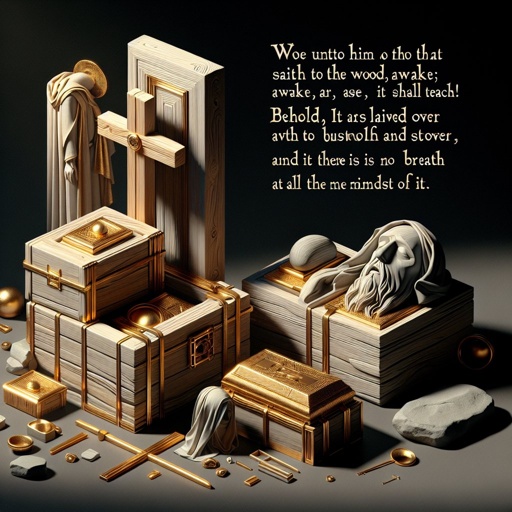
Habakkuk 2:19 - "Woe unto him that saith to the wood, Awake; to the dumb stone, Arise, it shall teach! Behold, it is laid over with gold and silver, and there is no breath at all in the midst of it."
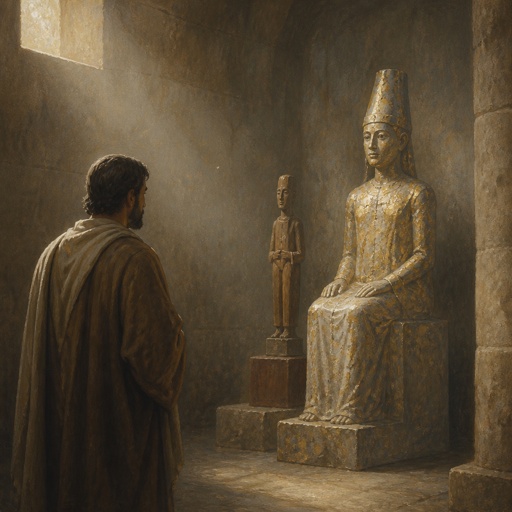
"Woe unto him that saith to the wood, Awake; to the dumb stone, Arise, it shall teach! Behold, it is laid over with gold and silver, and there is no breath at all in the midst of it." - Habakkuk 2:19
![For the vision [is] yet for an appointed time, but at the end it shall speak, and not lie: though it tarry, wait for it; because it will surely come, it will not tarry.
Habakkuk 2:3
https://bible.art/verse/habakkuk-2:3](https://media.bible.art/d8f47f50-dcfd-4ed4-802f-e18a941d0e1c-thumbnail.jpg)
For the vision [is] yet for an appointed time, but at the end it shall speak, and not lie: though it tarry, wait for it; because it will surely come, it will not tarry. Habakkuk 2:3 https://bible.art/verse/habakkuk-2:3

Habakkuk 2:1-3

Habakkuk 2:12 - "¶ Woe to him that buildeth a town with blood, and stablisheth a city by iniquity!"

Habakkuk 2:14 - "For the earth shall be filled with the knowledge of the glory of the LORD, as the waters cover the sea."

Habakkuk 2:11 - "For the stone shall cry out of the wall, and the beam out of the timber shall answer it."

Habakkuk 2:2 - "And the LORD answered me, and said, Write the vision, and make it plain upon tables, that he may run that readeth it."

Habakkuk 2:20 - "But the LORD is in his holy temple: let all the earth keep silence before him."

Habakkuk 2:13 - "Behold, is it not of the LORD of hosts that the people shall labour in the very fire, and the people shall weary themselves for very vanity?"

Habakkuk 2:3 - "For the vision is yet for an appointed time, but at the end it shall speak, and not lie: though it tarry, wait for it; because it will surely come, it will not tarry."

Habakkuk 3:19 - "The LORD God is my strength, and he will make my feet like hinds' feet, and he will make me to walk upon mine high places. To the chief singer on my stringed instruments."

Habakkuk 2:4 - "Behold, his soul which is lifted up is not upright in him: but the just shall live by his faith."

Habakkuk 2:7 - "Shall they not rise up suddenly that shall bite thee, and awake that shall vex thee, and thou shalt be for booties unto them?"

Habakkuk 2:10 - "Thou hast consulted shame to thy house by cutting off many people, and hast sinned against thy soul."

Habakkuk 2:15 - "¶ Woe unto him that giveth his neighbour drink, that puttest thy bottle to him, and makest him drunken also, that thou mayest look on their nakedness!"
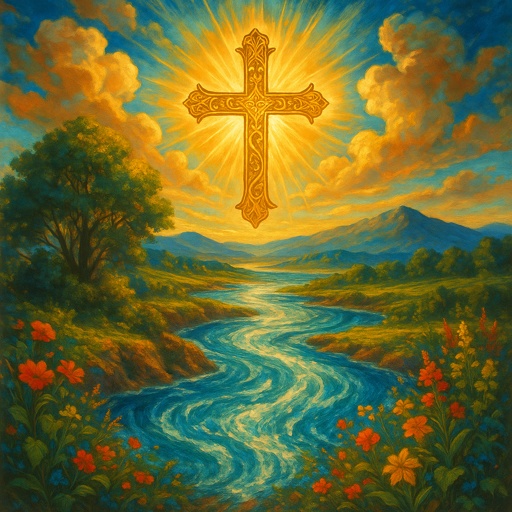
"For the earth shall be filled with the knowledge of the glory of the LORD, as the waters cover the sea." - Habakkuk 2:14

"I will stand upon my watch, and set me upon the tower, and will watch to see what he will say unto me, and what I shall answer when I am reproved." - Habakkuk 2:1
![For the vision [is] yet for an appointed time, but at the end it shall speak, and not lie: though it tarry, wait for it; because it will surely come, it will not tarry.
Habakkuk 2:3](https://media.bible.art/8c6c47fe-57af-44d1-9c6f-b7f140aa16bb-thumbnail.jpg)
For the vision [is] yet for an appointed time, but at the end it shall speak, and not lie: though it tarry, wait for it; because it will surely come, it will not tarry. Habakkuk 2:3
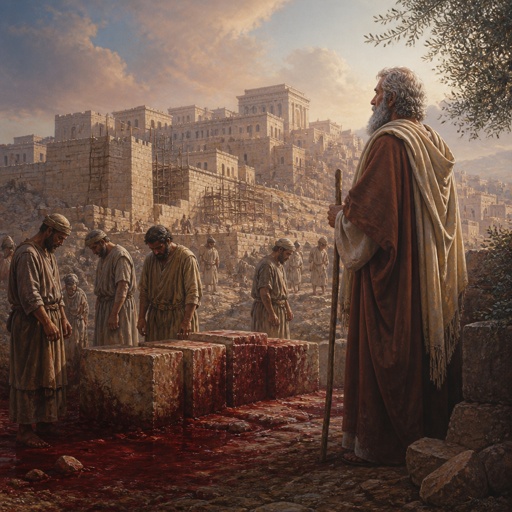
"¶ Woe to him that buildeth a town with blood, and stablisheth a city by iniquity!" - Habakkuk 2:12
![For the vision [is] yet for an appointed time, but at the end it shall speak, and not lie: though it tarry, wait for it; because it will surely come, it will not tarry.
Habakkuk 2:3](https://media.bible.art/f3717109-af85-49d9-937d-4434f23f321f-thumbnail.jpg)
For the vision [is] yet for an appointed time, but at the end it shall speak, and not lie: though it tarry, wait for it; because it will surely come, it will not tarry. Habakkuk 2:3
![For the vision [is] yet for an appointed time, but at the end it shall speak, and not lie: though it tarry, wait for it; because it will surely come, it will not tarry.
Habakkuk 2:3](https://media.bible.art/5cc733ba-5821-46e6-afb5-9afdda6aa632-thumbnail.jpg)
For the vision [is] yet for an appointed time, but at the end it shall speak, and not lie: though it tarry, wait for it; because it will surely come, it will not tarry. Habakkuk 2:3
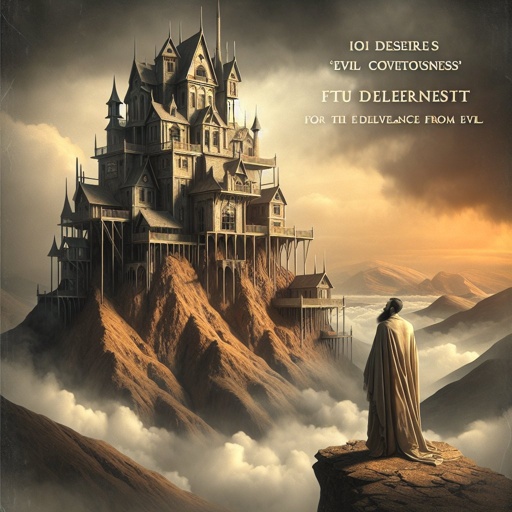
Habakkuk 2:9 - "¶ Woe to him that coveteth an evil covetousness to his house, that he may set his nest on high, that he may be delivered from the power of evil!"

Habakkuk 1:2 - "O LORD, how long shall I cry, and thou wilt not hear! even cry out unto thee of violence, and thou wilt not save!"

Habakkuk 2:18 - "¶ What profiteth the graven image that the maker thereof hath graven it; the molten image, and a teacher of lies, that the maker of his work trusteth therein, to make dumb idols?"

Habakkuk 2:17 - "For the violence of Lebanon shall cover thee, and the spoil of beasts, which made them afraid, because of men's blood, and for the violence of the land, of the city, and of all that dwell therein."

"For the earth shall be filled with the knowledge of the glory of the LORD, as the waters cover the sea." - Habakkuk 2:14
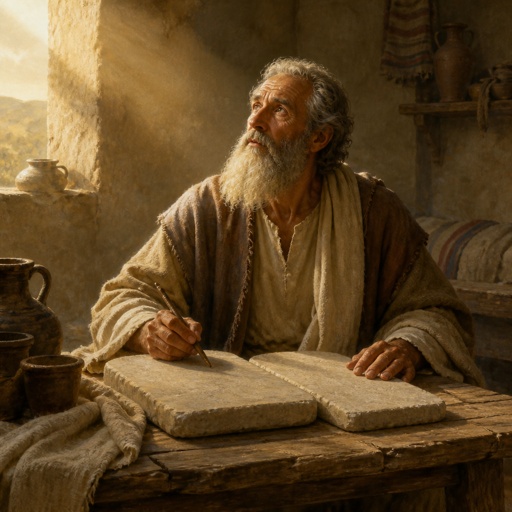
"And the LORD answered me, and said, Write the vision, and make it plain upon tables, that he may run that readeth it." - Habakkuk 2:2

Habakkuk 2:1 - "I will stand upon my watch, and set me upon the tower, and will watch to see what he will say unto me, and what I shall answer when I am reproved."
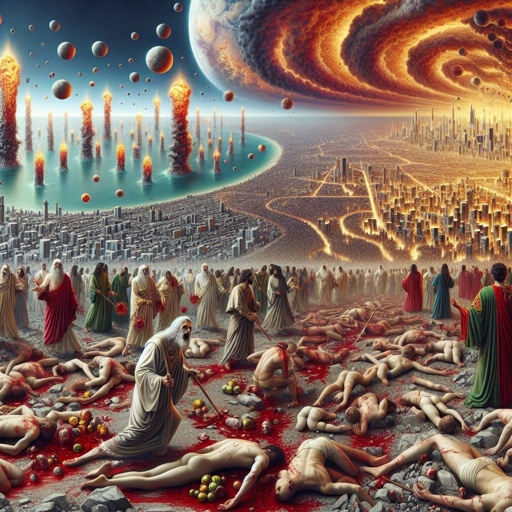
Habakkuk 2:8 - "Because thou hast spoiled many nations, all the remnant of the people shall spoil thee; because of men's blood, and for the violence of the land, of the city, and of all that dwell therein."