What does Haggai 1:3 mean?
“Then came the word of the LORD by Haggai the prophet, saying,” — Haggai 1:3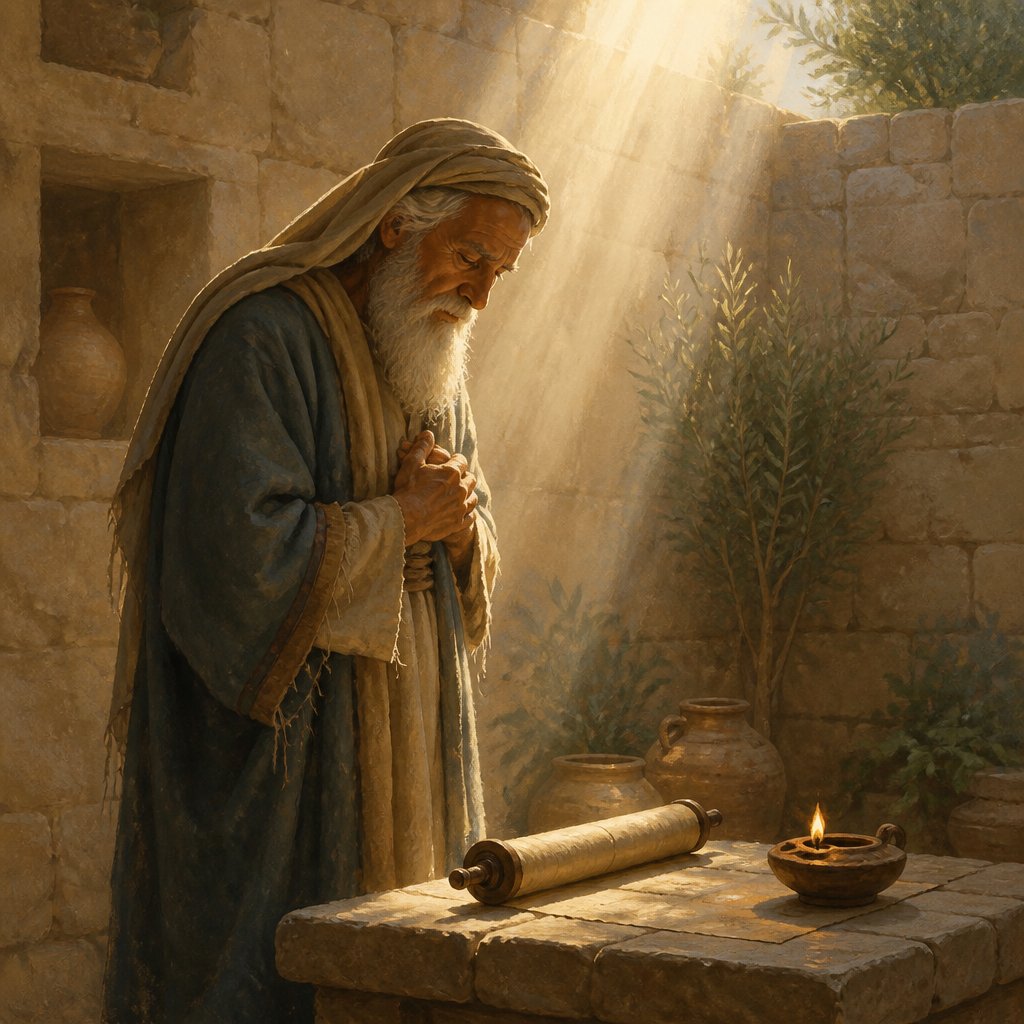
The Bible verse Haggai 1:3 from the King James Version (KJV) states, "Then came the word of the Lord by Haggai the prophet, saying." This verse is the opening of a series of prophecies delivered by the prophet Haggai to the people of Judah following their return from exile in Babylon. The context of this verse is a critical period in Jewish history, as the people were in the process of rebuilding the temple in Jerusalem. The verse serves as an introduction to the messages that Haggai delivers from the word of the Lord, and sets the stage for the themes of obedience, repentance, and the importance of prioritizing God's work.
The book of Haggai is set in the year 520 BC, when the Jews had returned from exile in Babylon and began the process of rebuilding the temple in Jerusalem. However, due to various challenges and distractions, the people had become complacent and neglected the work of rebuilding the temple. In Haggai 1:3, the Lord speaks through the prophet Haggai to remind the people of their neglect and to call them to action. This verse sets the tone for the rebuke and exhortations that the prophet Haggai delivers to the people, urging them to prioritize the work of God and to seek His glory above all else.
The theme of obedience is central to Haggai 1:3 and the book as a whole. The people had strayed from God's command to rebuild the temple, and the verse serves as a reminder of the importance of heeding God's word and following His will. The Lord's message through Haggai calls the people to repentance and obedience, challenging them to refocus their efforts on His work. This theme of obedience is a timeless message that resonates throughout the Bible, emphasizing the importance of aligning our lives with God's commands and following His leading.
Additionally, Haggai 1:3 addresses the theme of repentance, as the prophet Haggai's message calls the people to recognize their neglect and turn back to the Lord. The verse serves as a call to heartfelt change and a turning away from sin, reminding the people of the need to acknowledge their failings and seek forgiveness. This theme of repentance is significant in the biblical narrative, highlighting the merciful nature of God and His willingness to forgive those who humble themselves and turn to Him.
Symbolism is also present in Haggai 1:3, as the word of the Lord that comes through the prophet Haggai represents the divine message and guidance of God. The prophet serves as a conduit for God's word, delivering His message to the people and calling them to attention. The word of the Lord symbolizes His authority and sovereignty, underscoring the importance of heeding His commands and aligning with His purposes.
In conclusion, Haggai 1:3 from the King James Version of the Bible sets the stage for the prophetic messages delivered by Haggai to the people of Judah. The verse emphasizes themes of obedience, repentance, and the importance of prioritizing God's work. It serves as a call to action and a reminder of the need to align our lives with God's will. The verse's timeless message resonates throughout the Bible, highlighting the significance of heeding God's word, seeking forgiveness, and prioritizing His work in our lives.
Get our apps


Artwork for Haggai 1:3

Haggai 1:3 - "Then came the word of the LORD by Haggai the prophet, saying,"
"Then came the word of the LORD by Haggai the prophet, saying," - Haggai 1:3

Haggai 2:1 - "In the seventh month, in the one and twentieth day of the month, came the word of the LORD by the prophet Haggai, saying,"

Haggai 1:13 - "Then spake Haggai the LORD'S messenger in the LORD'S message unto the people, saying, I am with you, saith the LORD."

Haggai 1:1 - "In the second year of Darius the king, in the sixth month, in the first day of the month, came the word of the LORD by Haggai the prophet unto Zerubbabel the son of Shealtiel, governor of Judah, and to Joshua the son of Josedech, the high priest, saying,"

Haggai 2:9

Flow chart of Haggai 1:1-15

Haggai 1:5 - "Now therefore thus saith the LORD of hosts; Consider your ways."
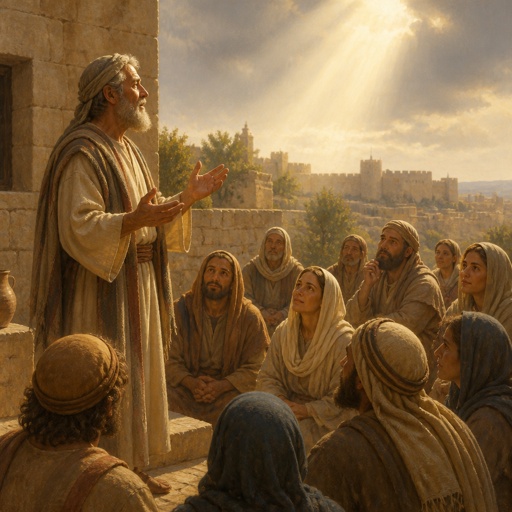
"Then spake Haggai the LORD'S messenger in the LORD'S message unto the people, saying, I am with you, saith the LORD." - Haggai 1:13

Haggai 1:7 - "¶ Thus saith the LORD of hosts; Consider your ways."
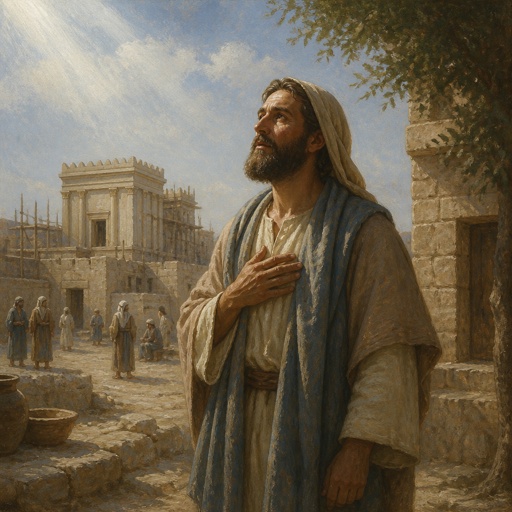
"In the seventh month, in the one and twentieth day of the month, came the word of the LORD by the prophet Haggai, saying," - Haggai 2:1

Haggai 2:3 - "Who is left among you that saw this house in her first glory? and how do ye see it now? is it not in your eyes in comparison of it as nothing?"

Haggai 1:4 - "Is it time for you, O ye, to dwell in your cieled houses, and this house lie waste?"

Haggai 1:12 - "¶ Then Zerubbabel the son of Shealtiel, and Joshua the son of Josedech, the high priest, with all the remnant of the people, obeyed the voice of the LORD their God, and the words of Haggai the prophet, as the LORD their God had sent him, and the people did fear before the LORD."

Haggai 1:10 - "Therefore the heaven over you is stayed from dew, and the earth is stayed from her fruit."

Haggai 1:15 - "In the four and twentieth day of the sixth month, in the second year of Darius the king."

Haggai 1:8 - "Go up to the mountain, and bring wood, and build the house; and I will take pleasure in it, and I will be glorified, saith the LORD."

Haggai 1:2 - "Thus speaketh the LORD of hosts, saying, This people say, The time is not come, the time that the LORD'S house should be built."

Ezra 5:1 - "Then the prophets, Haggai the prophet, and Zechariah the son of Iddo, prophesied unto the Jews that were in Judah and Jerusalem in the name of the God of Israel, even unto them."
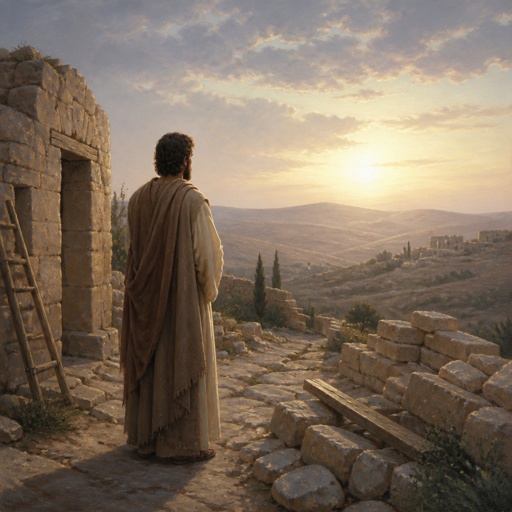
"¶ Thus saith the LORD of hosts; Consider your ways." - Haggai 1:7
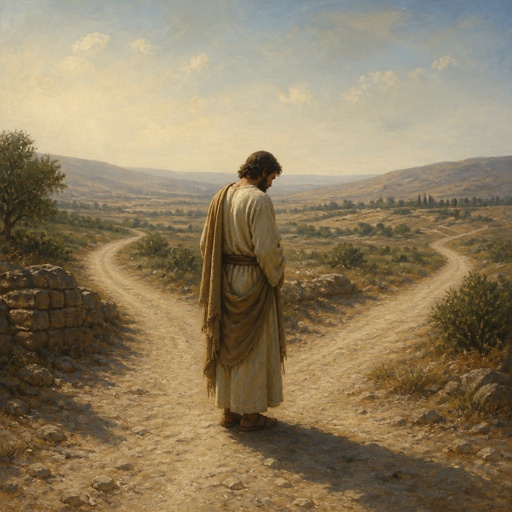
"Now therefore thus saith the LORD of hosts; Consider your ways." - Haggai 1:5
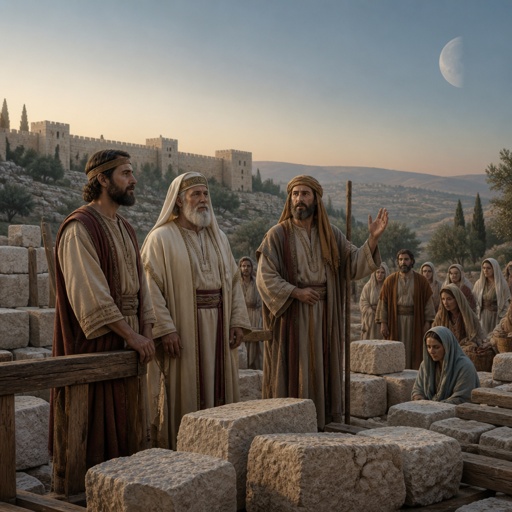
"In the four and twentieth day of the sixth month, in the second year of Darius the king." - Haggai 1:15
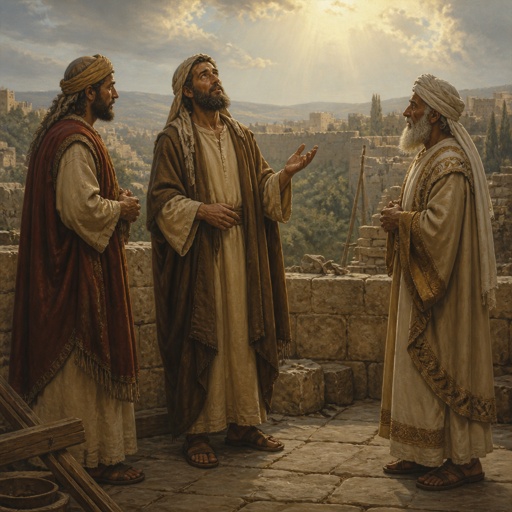
"In the second year of Darius the king, in the sixth month, in the first day of the month, came the word of the LORD by Haggai the prophet unto Zerubbabel the son of Shealtiel, governor of Judah, and to Joshua the son of Josedech, the high priest, saying," - Haggai 1:1
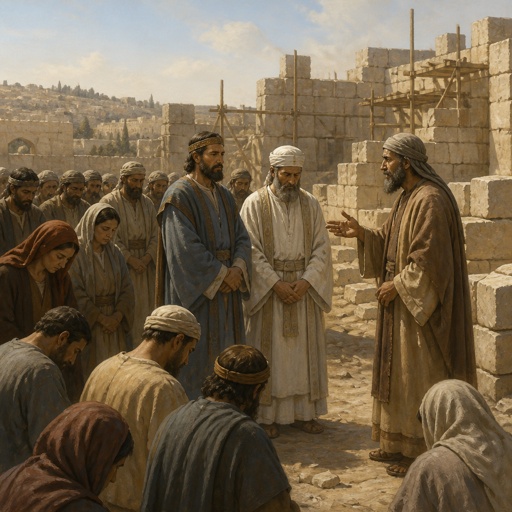
"¶ Then Zerubbabel the son of Shealtiel, and Joshua the son of Josedech, the high priest, with all the remnant of the people, obeyed the voice of the LORD their God, and the words of Haggai the prophet, as the LORD their God had sent him, and the people did fear before the LORD." - Haggai 1:12
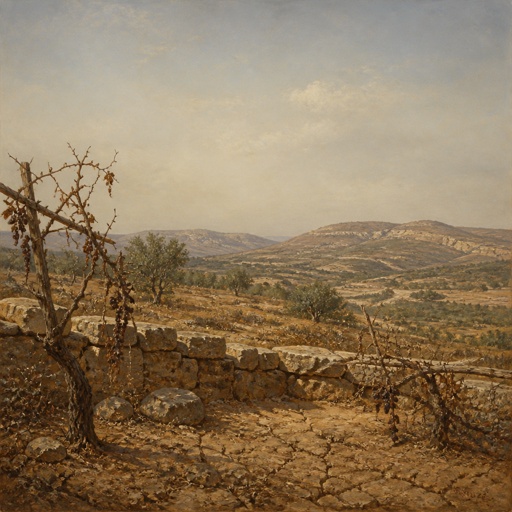
"Therefore the heaven over you is stayed from dew, and the earth is stayed from her fruit." - Haggai 1:10
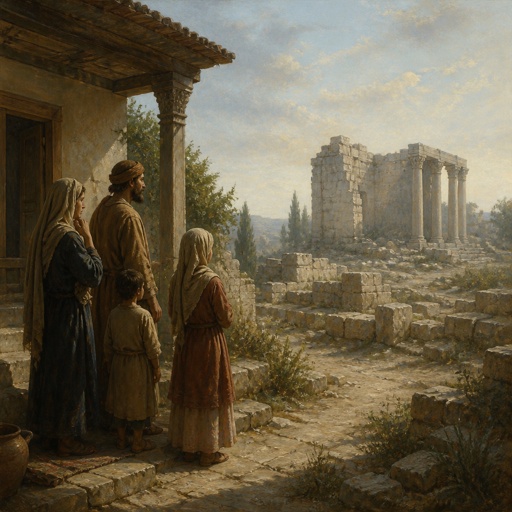
"Is it time for you, O ye, to dwell in your cieled houses, and this house lie waste?" - Haggai 1:4

Haggai 1:14 - "And the LORD stirred up the spirit of Zerubbabel the son of Shealtiel, governor of Judah, and the spirit of Joshua the son of Josedech, the high priest, and the spirit of all the remnant of the people; and they came and did work in the house of the LORD of hosts, their God,"
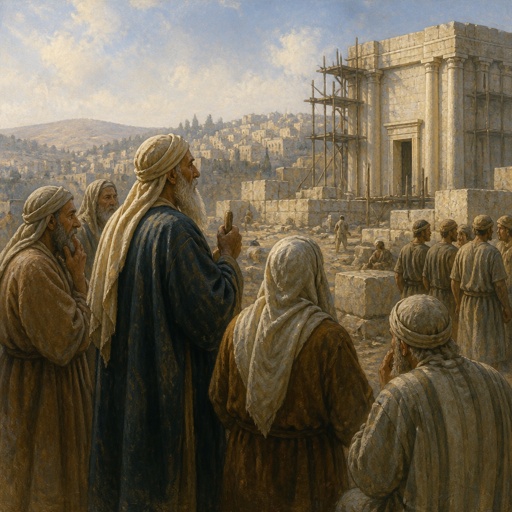
"Who is left among you that saw this house in her first glory? and how do ye see it now? is it not in your eyes in comparison of it as nothing?" - Haggai 2:3

Haggai 1:11 - "And I called for a drought upon the land, and upon the mountains, and upon the corn, and upon the new wine, and upon the oil, and upon that which the ground bringeth forth, and upon men, and upon cattle, and upon all the labour of the hands."

Haggai 1:6 - "Ye have sown much, and bring in little; ye eat, but ye have not enough; ye drink, but ye are not filled with drink; ye clothe you, but there is none warm; and he that earneth wages earneth wages to put it into a bag with holes."