What does Hebrews 10:8 mean?
“Above when he said, Sacrifice and offering and burnt offerings and offering for sin thou wouldest not, neither hadst pleasure therein; which are offered by the law;” — Hebrews 10:8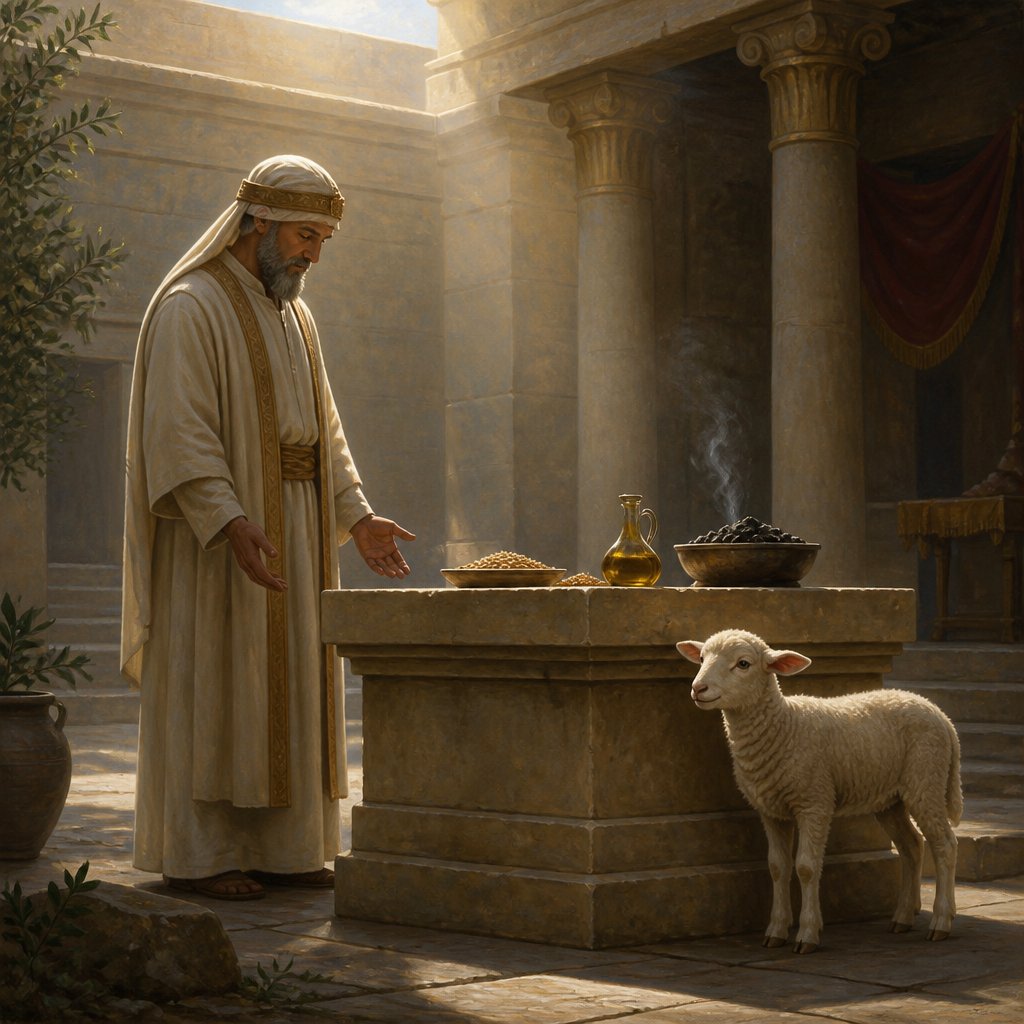
Hebrews 10:8 in the King James Version of the Bible reads, "Above when he said, Sacrifice and offering and burnt offerings and offering for sin thou wouldest not, neither hadst pleasure therein; which are offered by the law." This verse is found within the broader context of the book of Hebrews, which was written by an unknown author to a Jewish-Christian audience who were at risk of turning away from their faith under the pressure of persecution and hardships.
In order to truly understand the meaning and significance of Hebrews 10:8, it is essential to examine the context in which it is situated. Throughout the book of Hebrews, the author is highlighting the superiority of Christ over the Old Testament covenant, including the priesthood, the temple sacrifices, and the law. This verse is a part of a wider argument which ultimately seeks to establish the superiority of Christ's sacrifice over the sacrifices prescribed by the Law of Moses.
The verse itself is a direct quotation from Psalm 40:6-8, in which the psalmist reflects on God's true desires in regard to sacrifices and offerings. The author of Hebrews is using this Old Testament reference to demonstrate that God never truly desired the ritualistic sacrifices and offerings that were required by the Mosaic Law. Instead, what God truly desired was the heart and obedience of His people.
The verse begins with the phrase "Above when he said," indicating that the author is referring to a previous statement. The reference is to God speaking through the psalmist in Psalms 40:6-8, "Sacrifice and offering thou didst not desire; mine ears hast thou opened: burnt offering and sin offering hast thou not required. Then said I, Lo, I come: in the volume of the book it is written of me, I delight to do thy will, O my God: yea, thy law is within my heart." This portion of the Psalm emphasizes God's rejection of the ritualistic sacrifices and offerings prescribed by the Law and instead points to the psalmist's willingness to do God's will.
The verse goes on to explain God's lack of pleasure in the sacrifices offered under the Law. This is a powerful statement that challenges the traditional understanding of the importance and significance of sacrifices in the Old Testament. The author of Hebrews is asserting that the sacrificial system of the Old Covenant was not ultimately pleasing to God, as it did not accomplish His true desires for His people.
This assertion sets the stage for the overarching theme of the book of Hebrews, which is the superiority of Christ's sacrifice. The author is making the case that Jesus' sacrifice on the cross is the ultimate and perfect atonement for sin, far surpassing the temporary and incomplete nature of the sacrificial system under the Mosaic Law.
The author's argument rests on the belief that Jesus' sacrifice is an act of obedience to the will of God, echoing the sentiment expressed by the psalmist in Psalm 40. Jesus, as the perfect and obedient Son, fulfills God's desire for true obedience and a heart surrendered to His will. The sacrifices and offerings required by the Law are contrasted with Christ's willing submission to God's will, making them obsolete in the face of his ultimate sacrifice.
In the broader theological context, this verse carries significant implications for the nature of God's relationship with His people. It underscores the divine desire for genuine obedience and a heart that is aligned with His will. The Mosaic Law and its sacrificial system provided a temporary means of atonement, but ultimately fell short in addressing the deeper issue of the human heart and its need for transformation.
Symbolically, this verse represents the transition from the old covenant to the new covenant, and the fulfillment of God's redemptive plan through Christ. The rejection of the traditional sacrifices and offerings points to the insufficiency of human efforts to appease God's justice and underscores the necessity of a divine solution. Jesus' willing sacrifice embodies the ultimate fulfillment of God's desire for obedience and sets the stage for a new way of relating to God based on grace and faith.
Overall, Hebrews 10:8 serves as a pivotal point in the author's argument for the superiority of Christ's sacrifice. It challenges traditional understandings of the Mosaic Law and its sacrificial system while affirming the redemptive significance of Jesus' obedience to God's will. The verse highlights the deeper desire of God for a relationship based on genuine obedience and underscores the transformative power of Christ's atonement.
Get our apps


Artwork for Hebrews 10:8

Hebrews 10:8 - "Above when he said, Sacrifice and offering and burnt offerings and offering for sin thou wouldest not, neither hadst pleasure therein; which are offered by the law;"
"Above when he said, Sacrifice and offering and burnt offerings and offering for sin thou wouldest not, neither hadst pleasure therein; which are offered by the law;" - Hebrews 10:8

Hebrews 10:5-10

Hebrews 10:5-10

Hebrews 8:10 - "For this is the covenant that I will make with the house of Israel after those days, saith the Lord; I will put my laws into their mind, and write them in their hearts: and I will be to them a God, and they shall be to me a people:"

Hebrews 10:22

Hebrews 10:20

Hebrews 12:8

Hebrews 8:5

Hebrews 8:1-5

Hebrews 10:10 - "By the which will we are sanctified through the offering of the body of Jesus Christ once for all."

Hebrews 10:17 - "And their sins and iniquities will I remember no more."

Hebrews 13:8 - "Jesus Christ the same yesterday, and to day, and for ever."

Hebrews 10:21 - "And having an high priest over the house of God;"

Hebrews 10:31 - "It is a fearful thing to fall into the hands of the living God."
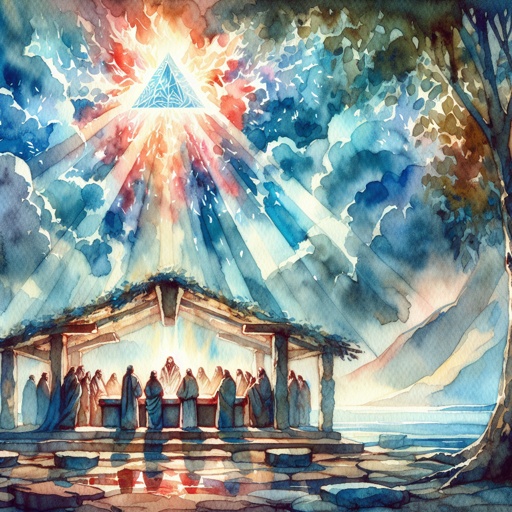
Hebrews 8:10 For this is the covenant that I will make with the house of Israel after those days, says the LORD: I will put My laws in their mind and write them on their hearts; and I will be their God, and they shall be My people.

Hebrews 3:8 - "Harden not your hearts, as in the provocation, in the day of temptation in the wilderness:"

Hebrews 5:10 - "Called of God an high priest after the order of Melchisedec."

Hebrews 10:18 - "Now where remission of these is, there is no more offering for sin."

Hebrews 10:14 - "For by one offering he hath perfected for ever them that are sanctified."

Hebrews 10:37 - "For yet a little while, and he that shall come will come, and will not tarry."

Hebrews (10:37) For just a little longer and he who is coming will arrive and not delay.

Hebrews 10:6 - "In burnt offerings and sacrifices for sin thou hast had no pleasure."

Hebrews 10:4 - "For it is not possible that the blood of bulls and of goats should take away sins."

Hebrews (10:37) For just a little longer and he who is coming will arrive and not delay.

Hebrews (10:37) For just a little longer and he who is coming will arrive and not delay.

Hebrews (10:37) For just a little longer and he who is coming will arrive and not delay.

Hebrews (10:37) For just a little longer and he who is coming will arrive and not delay.

Hebrews (10:37) For just a little longer and he who is coming will arrive and not delay.

Hebrews (10:37) For just a little longer and he who is coming will arrive and not delay.