What does Hebrews 13:14 mean?
“For here have we no continuing city, but we seek one to come.” — Hebrews 13:14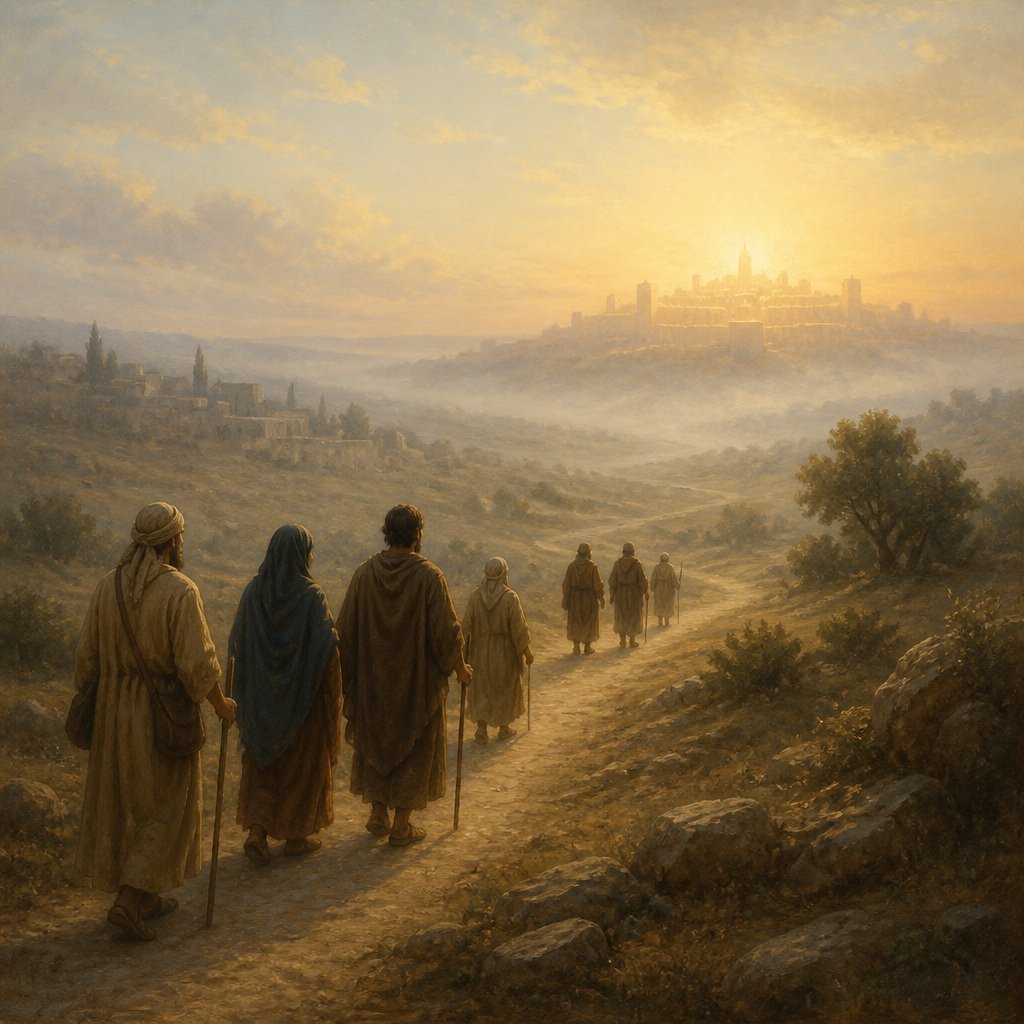
Hebrews 13:14 - "For here have we no continuing city, but we seek one to come."
The book of Hebrews is believed to have been written by the apostle Paul, though some scholars are uncertain of its authorship. Regardless, the book is included in the New Testament and is part of the biblical canon. The letter was written to encourage and strengthen the early Christians, many of whom were facing persecution and hardship for their faith. It is a letter that speaks to the supremacy of Christ, to the fulfillment and superiority of the new covenant, and to the importance of perseverance in the face of trials.
In Hebrews 13:14, the author tells his readers that the earthly city in which they currently exist is not their true and lasting home. He encourages them to set their sights on the heavenly city, the eternal city, the kingdom of God. This verse speaks to the overarching theme of the book of Hebrews, which is the superiority of the spiritual over the temporal, the permanent over the transient.
The context of this verse is important for a deeper understanding of its meaning. The writer of Hebrews is addressing a community of Christians who were facing persecution and hardship. Many of them were tempted to compromise their faith in order to avoid suffering. The writer urges them to persevere, to stand firm in their faith, to endure the trials and tribulations of this life, knowing that their true and lasting home is in the heavenly city.
The verse also speaks to the idea of pilgrimage, of journeying toward a destination. The Christian life is often described as a journey, a pilgrimage, a sojourn through this world, with the ultimate goal of reaching the heavenly city. This pilgrimage is one of faith, hope, and endurance, as Christians look forward to their eternal home.
The imagery and symbolism in this verse are rich and powerful. The idea of the "continuing city" speaks to the impermanence of the things of this world. The earthly city, with all its institutions, structures, and systems, is not lasting; it is subject to decay and destruction. By contrast, the heavenly city is eternal, unchanging, and incorruptible. It represents the ultimate fulfillment of God's promises to his people, a place of perfect peace, harmony, and joy.
This verse also echoes the words of Jesus in the gospels, where he speaks of the kingdom of God as the true treasure, the ultimate prize for those who seek it. This kingdom is characterized by righteousness, love, and holiness, and it stands in stark contrast to the fleeting pleasures and comforts of this world.
When we consider the broader theological and spiritual implications of this verse, we see that it speaks to the Christian's understanding of the world and its systems. It challenges us to reorient our priorities and values, to focus on the eternal rather than the temporal. It calls us to embrace a heavenly perspective, to live in light of the promise of the coming kingdom.
In conclusion, Hebrews 13:14 is a powerful reminder to Christians that this world is not our final home. It urges us to set our eyes on the heavenly city, to live in hope and anticipation of the eternal kingdom of God. It speaks to themes of perseverance, pilgrimage, and the superiority of the spiritual over the earthly. This verse calls us to a radical reorientation of our lives, to prioritize the things that have eternal significance and to live in light of the promise of the heavenly city.
Get our apps


Artwork for Hebrews 13:14

Hebrews 13:14 - "For here have we no continuing city, but we seek one to come."
"For here have we no continuing city, but we seek one to come." - Hebrews 13:14

Genesis 14:13 - "And there came one that had escaped, and told Abram the Hebrew; for he dwelt in the plain of Mamre the Amorite, brother of Eshcol, and brother of Aner: and these were confederate with Abram."

Hebrews 1:14

Hebrews 1:14

Hebrews 13:3

Hebrews 13:25 - "Grace be with you all. Amen."

Hebrews 13:1 - "Let brotherly love continue."

Hebrews 13:13 - "Let us go forth therefore unto him without the camp, bearing his reproach."

Hebrews 13:8 - "Jesus Christ the same yesterday, and to day, and for ever."

Hebrews 11:14 - "For they that say such things declare plainly that they seek a country."

Hebrews 10:14 - "For by one offering he hath perfected for ever them that are sanctified."

Genesis 14:13 And there came one that had escaped, and told Abram the Hebrew; for he dwelt in the plain of Mamre the Amorite, brother of Eshcol, and brother of Aner: and these were confederate with Abram.

hebrew 13:20

Hebrews 13:16 - "But to do good and to communicate forget not: for with such sacrifices God is well pleased."

Hebrews 10:13 - "From henceforth expecting till his enemies be made his footstool."

"Grace be with you all. Amen." - Hebrews 13:25

Hebrews 13:2 - "Be not forgetful to entertain strangers: for thereby some have entertained angels unawares."

Hebrews 13:4 - "Marriage is honourable in all, and the bed undefiled: but whoremongers and adulterers God will judge."

Hebrews 5:13 - "For every one that useth milk is unskilful in the word of righteousness: for he is a babe."

"Let brotherly love continue." - Hebrews 13:1

Hebrews 9:13 - "For if the blood of bulls and of goats, and the ashes of an heifer sprinkling the unclean, sanctifieth to the purifying of the flesh:"

Hebrews 13:10 - "We have an altar, whereof they have no right to eat which serve the tabernacle."

Hebrews 1:14 - "Are they not all ministering spirits, sent forth to minister for them who shall be heirs of salvation?"

Hebrews 6:14 - "Saying, Surely blessing I will bless thee, and multiplying I will multiply thee."

Hebrews 13:19 - "But I beseech you the rather to do this, that I may be restored to you the sooner."

Hebrews 12:14 - "Follow peace with all men, and holiness, without which no man shall see the Lord:"

Hebrews 13:24 - "Salute all them that have the rule over you, and all the saints. They of Italy salute you."

Hebrews 7:14 - "For it is evident that our Lord sprang out of Juda; of which tribe Moses spake nothing concerning priesthood."

Hebrews 3:14 - "For we are made partakers of Christ, if we hold the beginning of our confidence stedfast unto the end;"