What does Hebrews 13:15-16 mean?
“By him therefore let us offer the sacrifice of praise to God continually, that is, the fruit of our lips giving thanks to his name. But to do good and to communicate forget not: for with such sacrifices God is well pleased.” — Hebrews 13:15-16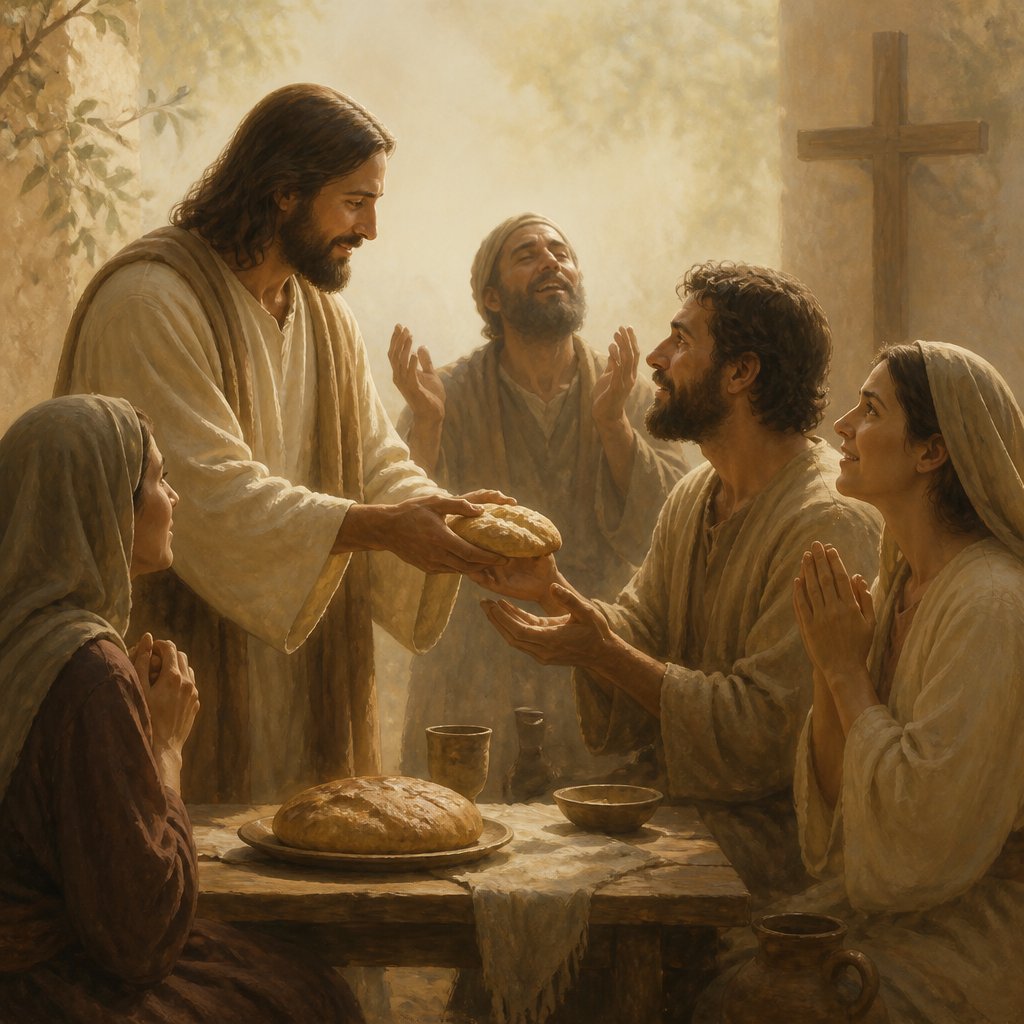
Hebrews 13:15-16 from the King James Version of the Bible reads, "By him therefore let us offer the sacrifice of praise to God continually, that is, the fruit of our lips giving thanks to his name. But to do good and to communicate forget not: for with such sacrifices God is well pleased."
This passage from the Book of Hebrews is rich in meaning and significance, encapsulating several key themes of Christian faith and practice. In order to fully appreciate the depth of these verses, it is important to explore the context in which they were written and the symbolism they convey.
The writer of Hebrews is exhorting believers to offer a continual sacrifice of praise to God through Jesus Christ. This sacrifice of praise is not a physical offering like those of the Old Testament, but rather a spiritual act of worship and thanksgiving. The author emphasizes the importance of continually giving thanks to God with the "fruit of our lips," indicating that our words and expressions of gratitude are a vital part of our worship. This concept is in line with other passages in the New Testament that stress the importance of worshiping God in spirit and in truth.
Furthermore, the passage emphasizes the importance of doing good and sharing with others. This echoes the teachings of Jesus, who emphasized the commandment to love God and love one's neighbor as oneself. The writer of Hebrews emphasizes that acts of kindness and generosity are also a form of sacrifice that pleases God. This aligns with the broader biblical theme of caring for the marginalized and embodying the love of Christ through our actions.
The themes of sacrifice, praise, and service to others are deeply intertwined in these verses. The idea of sacrifice is central to the Christian faith, as it reflects the ultimate sacrifice of Jesus Christ on the cross for the forgiveness of sin. As believers, we are called to offer ourselves as living sacrifices, as the apostle Paul writes in Romans 12:1. This entails not just physical offerings or rituals, but a daily commitment to honoring God with our lives, including our words, actions, and relationships with others.
The passage also points to the importance of gratitude and thanksgiving in the life of a believer. The act of giving thanks to God is not merely a religious duty, but a genuine expression of faith and trust in God's goodness and faithfulness. Gratitude is a transformative spiritual discipline that can shape our attitudes and perspective, leading to greater joy and contentment in all circumstances.
In addition, the emphasis on doing good and sharing with others speaks to the Christian call to embody love and compassion in practical ways. Just as Jesus demonstrated love through his actions, we are called to follow his example by caring for the needs of those around us. This includes not only meeting physical needs, but also offering encouragement, support, and companionship to those who are hurting or marginalized.
The symbolism in these verses is powerful and multifaceted. The "sacrifice of praise" points to the spiritual nature of Christian worship, which transcends external rituals and ceremonies. The "fruit of our lips" symbolizes the tangible expression of our faith and gratitude through spoken words. The act of "doing good and communicating" represents the outward manifestation of love and generosity that flows from a heart transformed by God's grace.
In conclusion, Hebrews 13:15-16 encapsulates the essence of Christian faith and practice, calling believers to offer a continual sacrifice of praise, to express gratitude and to serve others with love and generosity. These verses remind us that our worship is not confined to a specific place or time, but encompasses every aspect of our lives. They challenge us to examine the sincerity of our worship and the authenticity of our love for God and others. Ultimately, they point us to the transformative power of a life devoted to honoring God and reflecting his love in the world.
Get our apps


Artwork for Hebrews 13:15-16

Hebrews 13:15-16 - "Through Jesus, therefore, let us continually offer to God a sacrifice of praise—the fruit of lips that openly profess his name. And do not forget to do good and to share with others, for with such sacrifices God is pleased."
"Through Jesus, therefore, let us continually offer to God a sacrifice of praise—the fruit of lips that openly profess his name. And do not forget to do good and to share with others, for with such sacrifices God is pleased." - Hebrews 13:15-16

Hebrews 13:16 - "But to do good and to communicate forget not: for with such sacrifices God is well pleased."

Hebrews 13:15 - "By him therefore let us offer the sacrifice of praise to God continually, that is, the fruit of our lips giving thanks to his name."
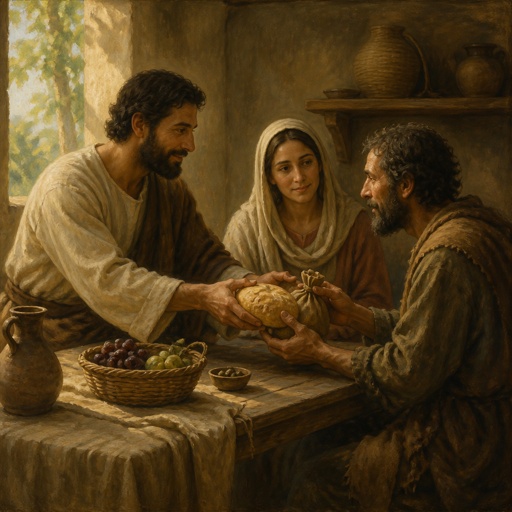
"But to do good and to communicate forget not: for with such sacrifices God is well pleased." - Hebrews 13:16

Hebrews 11:16

Hebrews 11:16

Hebrews 13:3

Hebrews 13:25 - "Grace be with you all. Amen."

Hebrews 13:1 - "Let brotherly love continue."

Hebrews 13:13 - "Let us go forth therefore unto him without the camp, bearing his reproach."

Hebrews 13:8 - "Jesus Christ the same yesterday, and to day, and for ever."

Hebrews 9:16 - "For where a testament is, there must also of necessity be the death of the testator."
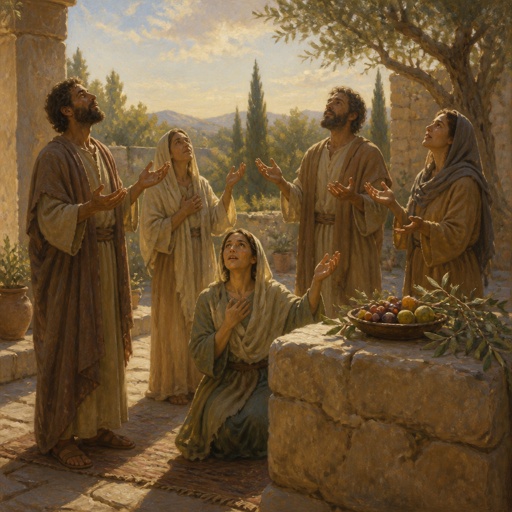
"By him therefore let us offer the sacrifice of praise to God continually, that is, the fruit of our lips giving thanks to his name." - Hebrews 13:15

Hebrews 13:14 - "For here have we no continuing city, but we seek one to come."

hebrew 13:20

Revelation 16:16 - "And he gathered them together into a place called in the Hebrew tongue Armageddon."

Hebrews 7:16 - "Who is made, not after the law of a carnal commandment, but after the power of an endless life."

Hebrews 10:13 - "From henceforth expecting till his enemies be made his footstool."

"Grace be with you all. Amen." - Hebrews 13:25

Hebrews 6:15 - "And so, after he had patiently endured, he obtained the promise."

Hebrews 6:16 - "For men verily swear by the greater: and an oath for confirmation is to them an end of all strife."

Hebrews 10:15 - "Whereof the Holy Ghost also is a witness to us: for after that he had said before,"

Hebrews 13:2 - "Be not forgetful to entertain strangers: for thereby some have entertained angels unawares."

Hebrews 13:4 - "Marriage is honourable in all, and the bed undefiled: but whoremongers and adulterers God will judge."

Hebrews 5:13 - "For every one that useth milk is unskilful in the word of righteousness: for he is a babe."

"Let brotherly love continue." - Hebrews 13:1

Hebrews 9:13 - "For if the blood of bulls and of goats, and the ashes of an heifer sprinkling the unclean, sanctifieth to the purifying of the flesh:"

Hebrews 13:10 - "We have an altar, whereof they have no right to eat which serve the tabernacle."

Hebrews 7:15 - "And it is yet far more evident: for that after the similitude of Melchisedec there ariseth another priest,"