What does Hebrews 13:20 mean?
“Now the God of peace, that brought again from the dead our Lord Jesus, that great shepherd of the sheep, through the blood of the everlasting covenant,” — Hebrews 13:20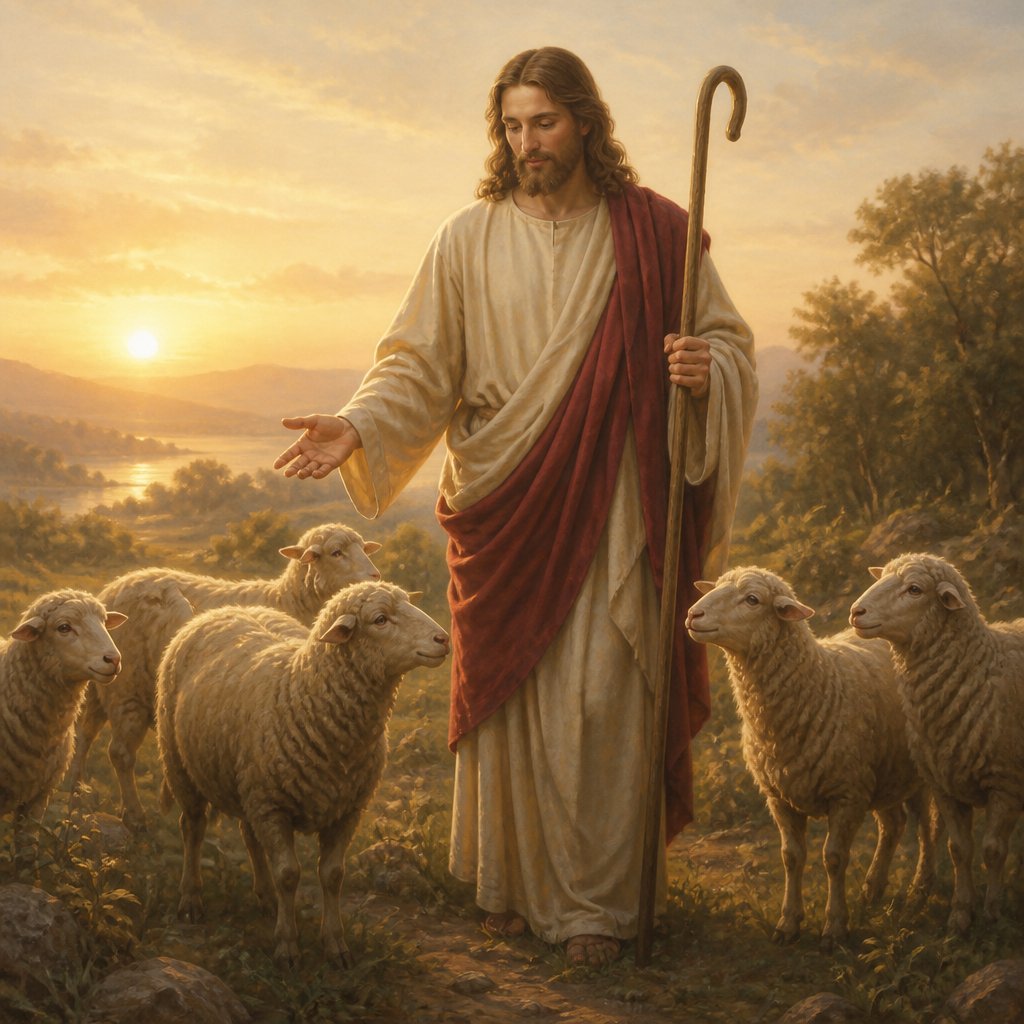
Hebrews 13:20 (KJV) states, "Now the God of peace, that brought again from the dead our Lord Jesus, that great shepherd of the sheep, through the blood of the everlasting covenant,"
This verse is a powerful declaration of the divine nature of God and the redemptive work of Jesus Christ. It begins by addressing God as the "God of peace," which is a title that highlights His character as a bringer of harmony, tranquility, and wholeness. This description of God is significant because it suggests that He is the ultimate source of peace for all of creation. It also acknowledges His sovereignty and power to bring order and tranquility to the world.
The verse then points to the resurrection of Jesus Christ as a central event in the Christian faith. It emphasizes that God "brought again from the dead our Lord Jesus," highlighting the miraculous and transformative nature of the resurrection. This affirmation of Jesus' resurrection is a foundational belief in Christianity, as it signifies his triumph over sin, death, and the forces of evil. It also serves as a demonstration of God's ultimate victory and the fulfillment of His divine plan for salvation.
The reference to Jesus as "that great shepherd of the sheep" draws on the imagery of a shepherd caring for and guiding his flock. This metaphor underscores Jesus' role as a compassionate and protective leader who lovingly tends to His followers. It also reflects the biblical motif of God as a shepherd, which is found throughout the Old and New Testaments. This imagery conveys the idea of God's tender care, provision, and guidance for His people, and it speaks to the intimate and personal relationship that exists between God and His believers.
The verse culminates with a reference to "the blood of the everlasting covenant," which alludes to the sacrificial death of Jesus Christ on the cross. This language is reminiscent of the institution of the new covenant in the Last Supper, as recorded in the Gospels, in which Jesus established the basis for forgiveness of sins through His shed blood. The mention of an "everlasting covenant" emphasizes the eternality and unchanging nature of God's promise and underscores His faithfulness to fulfill His redemptive plan for humanity. It also alludes to the prophetic fulfillment of the covenant promises made to Abraham and the Jewish people, which find their consummation in Jesus Christ.
Thematically, this verse emphasizes the foundational tenets of the Christian faith, including the sovereignty of God, the redemptive work of Jesus Christ, and the enduring nature of God's covenant. It conveys a message of hope, assurance, and security for believers, as it affirms the faithfulness and power of God to bring about salvation and reconciliation. Additionally, it underscores the inseparable relationship between God and His people, depicting Him as a loving and protective shepherd who cares for their spiritual well-being.
In its broader context, Hebrews 13:20 is situated within the closing remarks of the book of Hebrews, which is a letter written to Jewish Christians to encourage them in their faith and to exhort them to remain steadfast in the face of persecution and adversity. This verse serves as a fitting conclusion to the letter, as it summarizes the central themes of the book and provides a benediction of God's peace and grace upon the readers.
Symbolically, the verse portrays God as the ultimate source of peace and reconciliation, and Jesus Christ as the sacrificial shepherd who leads His followers to salvation through His atoning death. The reference to the "blood of the everlasting covenant" symbolizes the redemptive power of Christ's sacrifice and the establishment of a new and unbreakable covenant between God and humanity. Overall, Hebrews 13:20 encapsulates the core beliefs of Christianity and offers a profound declaration of God's love, grace, and provision for His people.
Get our apps


Artwork for Hebrews 13:20

hebrew 13:20

Hebrews 13:20 - "Now the God of peace, that brought again from the dead our Lord Jesus, that great shepherd of the sheep, through the blood of the everlasting covenant,"
"Now the God of peace, that brought again from the dead our Lord Jesus, that great shepherd of the sheep, through the blood of the everlasting covenant," - Hebrews 13:20

Hebrews 10:20

Hebrews 13:3

Hebrews 13:25 - "Grace be with you all. Amen."

Hebrews 7:20 - "And inasmuch as not without an oath he was made priest:"

Hebrews 13:1 - "Let brotherly love continue."

Hebrews 13:13 - "Let us go forth therefore unto him without the camp, bearing his reproach."

Hebrews 13:8 - "Jesus Christ the same yesterday, and to day, and for ever."

Hebrews 11:20 - "By faith Isaac blessed Jacob and Esau concerning things to come."

Hebrews 13:14 - "For here have we no continuing city, but we seek one to come."

Hebrews 9:20 - "Saying, This is the blood of the testament which God hath enjoined unto you."

Hebrews 13:16 - "But to do good and to communicate forget not: for with such sacrifices God is well pleased."

Hebrews 10:13 - "From henceforth expecting till his enemies be made his footstool."

"Grace be with you all. Amen." - Hebrews 13:25

Hebrews 13:2 - "Be not forgetful to entertain strangers: for thereby some have entertained angels unawares."

Hebrews 13:4 - "Marriage is honourable in all, and the bed undefiled: but whoremongers and adulterers God will judge."

Hebrews 5:13 - "For every one that useth milk is unskilful in the word of righteousness: for he is a babe."

Hebrews 10:20 - "By a new and living way, which he hath consecrated for us, through the veil, that is to say, his flesh;"

Hebrews 6:20 - "Whither the forerunner is for us entered, even Jesus, made an high priest for ever after the order of Melchisedec."

"Let brotherly love continue." - Hebrews 13:1

Hebrews 9:13 - "For if the blood of bulls and of goats, and the ashes of an heifer sprinkling the unclean, sanctifieth to the purifying of the flesh:"

Hebrews 13:10 - "We have an altar, whereof they have no right to eat which serve the tabernacle."

Hebrews 13:19 - "But I beseech you the rather to do this, that I may be restored to you the sooner."
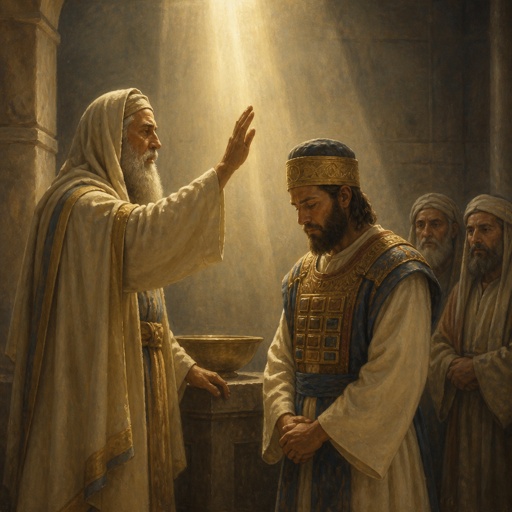
"And inasmuch as not without an oath he was made priest:" - Hebrews 7:20

Hebrews 13:24 - "Salute all them that have the rule over you, and all the saints. They of Italy salute you."

Hebrews 12:20 - "(For they could not endure that which was commanded, And if so much as a beast touch the mountain, it shall be stoned, or thrust through with a dart:"

Hebrews 7:13 - "For he of whom these things are spoken pertaineth to another tribe, of which no man gave attendance at the altar."

Hebrews 13:11 - "For the bodies of those beasts, whose blood is brought into the sanctuary by the high priest for sin, are burned without the camp."