What does Hebrews 1:10 mean?
“And, Thou, Lord, in the beginning hast laid the foundation of the earth; and the heavens are the works of thine hands:” — Hebrews 1:10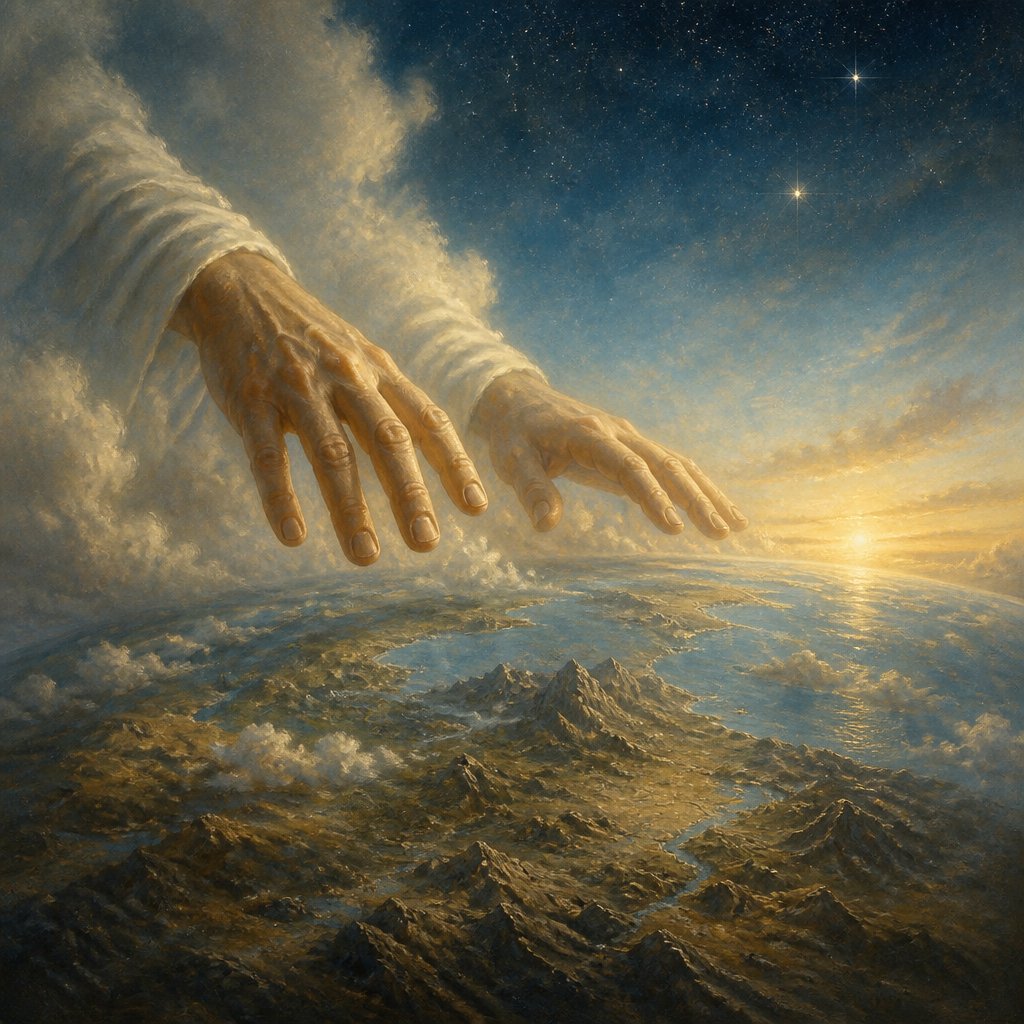
Hebrews 1:10 (KJV) says, "And, Thou, Lord, in the beginning hast laid the foundation of the earth; and the heavens are the works of thine hands."
This verse speaks to the majesty and sovereignty of God, highlighting His role as the creator and sustainer of the universe. It draws attention to the fact that God existed before the world began, and that it was through His power and wisdom that the earth and the heavens came into being. The exaltation of God as the creator of all things is a recurring theme throughout the Bible, and this verse is no exception.
The themes present in this verse are omnipotence, creation, and sovereignty. The idea of God's omnipotence is expressed through the act of laying the foundation of the earth and creating the heavens. This underscores the idea that nothing is beyond the capabilities of God, and that He has the power to bring about the existence of the universe. The theme of creation is also prominent in this verse, emphasizing the fact that God is the ultimate source of all things, and that He has brought the world into being through His divine will. Additionally, the theme of sovereignty is present in the acknowledgement that God's work is the foundation of the earth and the heavens. This highlights the idea that God is in control of all things, and that His authority extends over the entire universe.
The context of this verse is important for understanding its significance. It is found in the Book of Hebrews, which was written to Jewish Christians who were facing persecution and pressure to abandon their faith in Christ. The author of Hebrews sought to encourage and strengthen the believers by emphasizing the superiority and sufficiency of Christ. In doing so, the author draws upon the Old Testament scriptures to demonstrate how Christ is the fulfillment of God's promises and the ultimate revelation of His glory. In this verse, the author quotes from Psalm 102:25-27, which praises the eternal nature of God and His mighty power. By referencing this passage, the author is seeking to show that Christ is the embodiment of the divine attributes described in the Old Testament, including the role of God as the creator and sustainer of the universe.
The symbolism in this verse is also significant, as it points to the divine nature of God and His authority over all things. The image of God laying the foundation of the earth and creating the heavens emphasizes His role as the ultimate architect and ruler of the universe. This imagery conveys a sense of grandeur and awe, underscoring the majesty of God and His ability to bring about the existence of the world through His divine power. Additionally, the reference to the heavens as the works of God's hands symbolizes the intricate beauty and complexity of creation, highlighting the divine craftsmanship and design present in the universe.
In conclusion, Hebrews 1:10 (KJV) is a powerful affirmation of God's omnipotence, sovereignty, and creative authority. It serves to exalt and glorify God as the supreme creator and sustainer of the universe, emphasizing His eternal nature and divine power. The verse is rich with themes, context, and symbolism that point to the majesty of God and His unmatched ability to bring about the existence of the world. As believers, we can find great comfort and confidence in knowing that our God is the ultimate source of all things, and that His sovereign will extends over the entire universe.
Get our apps


Artwork for Hebrews 1:10

Hebrews 1:10 - "And, Thou, Lord, in the beginning hast laid the foundation of the earth; and the heavens are the works of thine hands:"
"And, Thou, Lord, in the beginning hast laid the foundation of the earth; and the heavens are the works of thine hands:" - Hebrews 1:10
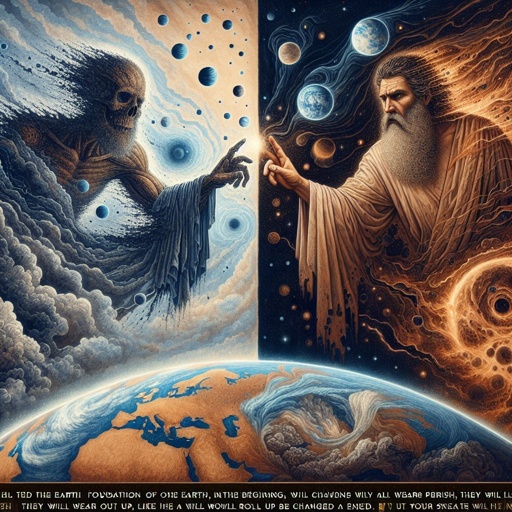
Hebrews 1:10-12 - "And, “You, Lord, laid the foundation of the earth in the beginning, and the heavens are the work of your hands; they will perish, but you remain; they will all wear out like a garment, like a robe you will roll them up, like a garment they will be changed. But you are the same, and your years will have no end.”"

"And, “You, Lord, laid the foundation of the earth in the beginning, and the heavens are the work of your hands; they will perish, but you remain; they will all wear out like a garment, like a robe you will roll them up, like a garment they will be changed. But you are the same, and your years will have no end.”" - Hebrews 1:10-12

Hebrews 10:5-10

Hebrews 10:5-10

Hebrews 10:22

Hebrews 10:20

Hebrews 10:10 - "By the which will we are sanctified through the offering of the body of Jesus Christ once for all."

Hebrews 10:17 - "And their sins and iniquities will I remember no more."

Hebrews 10:1 - "For the law having a shadow of good things to come, and not the very image of the things, can never with those sacrifices which they offered year by year continually make the comers thereunto perfect."

Hebrews 10:21 - "And having an high priest over the house of God;"

Hebrews 10:31 - "It is a fearful thing to fall into the hands of the living God."

Hebrews 5:10 - "Called of God an high priest after the order of Melchisedec."

Hebrews 10:18 - "Now where remission of these is, there is no more offering for sin."

Hebrews 10:14 - "For by one offering he hath perfected for ever them that are sanctified."

Hebrews 10:37 - "For yet a little while, and he that shall come will come, and will not tarry."

Hebrews (10:37) For just a little longer and he who is coming will arrive and not delay.

Hebrews 10:6 - "In burnt offerings and sacrifices for sin thou hast had no pleasure."

Hebrews 10:4 - "For it is not possible that the blood of bulls and of goats should take away sins."

Hebrews (10:37) For just a little longer and he who is coming will arrive and not delay.

Hebrews (10:37) For just a little longer and he who is coming will arrive and not delay.

Hebrews (10:37) For just a little longer and he who is coming will arrive and not delay.

Hebrews (10:37) For just a little longer and he who is coming will arrive and not delay.

Hebrews (10:37) For just a little longer and he who is coming will arrive and not delay.

Hebrews (10:37) For just a little longer and he who is coming will arrive and not delay.

Hebrews (10:37) For just a little longer and he who is coming will arrive and not delay.

Hebrews 7:10 - "For he was yet in the loins of his father, when Melchisedec met him."

Hebrews 10:13 - "From henceforth expecting till his enemies be made his footstool."

Hebrews (10:37) For just a little longer and he who is coming will arrive and not delay.