What does Hebrews 1:2 mean?
“Hath in these last days spoken unto us by his Son, whom he hath appointed heir of all things, by whom also he made the worlds;” — Hebrews 1:2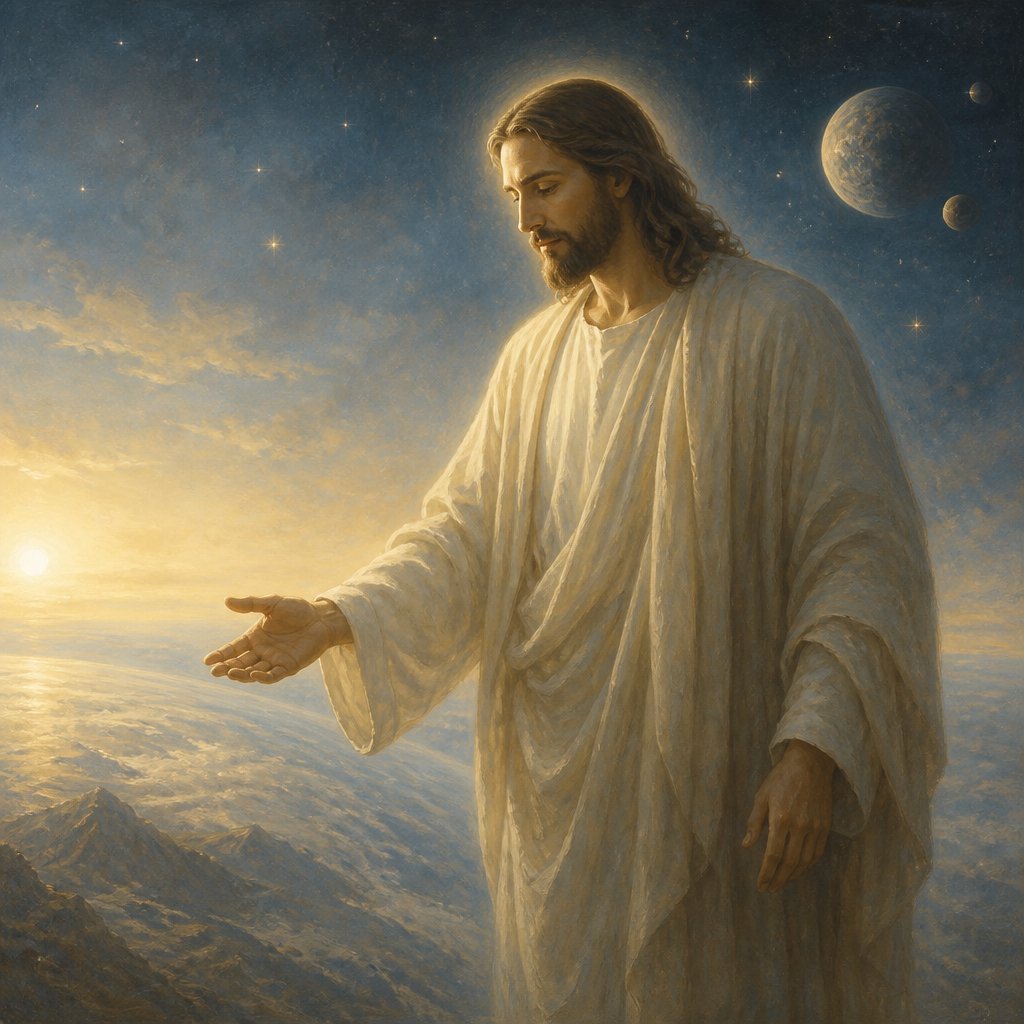
Hebrews 1:2 in the King James Version (KJV) of the Bible states: "Hath in these last days spoken unto us by his Son, whom he hath appointed heir of all things, by whom also he made the worlds."
This verse from the book of Hebrews is a powerful declaration of the divine nature of Jesus Christ and his role as the agent of creation. The verse begins by emphasizing that God has spoken to humanity in these "last days" through his Son. This phrase is significant because it conveys the idea that Christ's arrival on earth represents the culmination of God's plan for the salvation of humanity. The "last days" refer to the period of time between Christ's first and second coming, during which the new covenant of grace and salvation through Jesus Christ is in effect.
The verse then affirms Jesus' unique status as the Son of God and his role as the appointed heir of all things. This aspect of the verse reflects the themes of inheritance and divine sovereignty. In Jewish culture, the concept of inheritance carried great significance, as it denoted the passing down of authority, possessions, and blessings from one generation to the next. By appointing Jesus as the heir of all things, God establishes him as the rightful inheritor of all creation, signifying his supreme authority and sovereignty over the universe.
Furthermore, the verse emphasizes that it was through Jesus that God made the worlds, highlighting his central role in the act of creation. This concept aligns with the opening verses of the Gospel of John, which proclaims that "In the beginning was the Word, and the Word was with God, and the Word was God. The same was in the beginning with God. All things were made by him; and without him was not anything made that was made" (John 1:1-3, KJV). Both Hebrews 1:2 and the Gospel of John attest to Jesus' pre-existence and active involvement in the creation of the universe, reaffirming his divine nature and omnipotent power.
The themes present in Hebrews 1:2 resonate throughout the entire book of Hebrews, which is a profound exploration of the superiority and sufficiency of Jesus Christ. The author of Hebrews presents Christ as the ultimate revealer of God's truth and the perfect mediator between God and humanity. This emphasis on the supremacy of Christ reinforces the foundational Christian belief in the deity of Jesus and his pivotal role in accomplishing the redemption and reconciliation of mankind.
In addition to its theological significance, Hebrews 1:2 holds various symbolic implications. The portrayal of Jesus as the heir of all things symbolizes his universal authority and dominion over creation. This image of inheritance also points to the spiritual inheritance that believers receive through their union with Christ. The reference to Jesus' role in the creation of the worlds underscores his eternal existence and active participation in the work of God, reinforcing his status as the eternal Word and the agent of God's divine plan.
Overall, Hebrews 1:2 serves as a foundational affirmation of the deity and supreme authority of Jesus Christ. It encapsulates key theological themes such as the incarnation, redemption, and the divine plan of salvation, while also offering profound insights into the nature of God and the universe. As believers meditate on this verse, they are reminded of the incomparable greatness and majesty of Jesus Christ, who is the ultimate revelation of God's love and the fulfillment of his redemptive purpose for humanity.
Get our apps


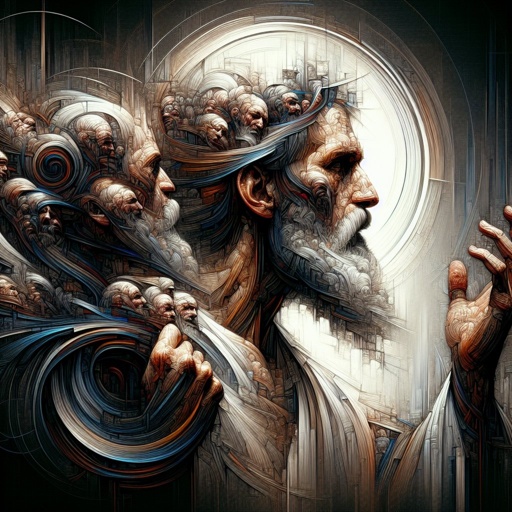
Artwork for Hebrews 1:2

Hebrews 1:2 - "Hath in these last days spoken unto us by his Son, whom he hath appointed heir of all things, by whom also he made the worlds;"
"Hath in these last days spoken unto us by his Son, whom he hath appointed heir of all things, by whom also he made the worlds;" - Hebrews 1:2

Hebrews 1:14

Hebrews 1:14
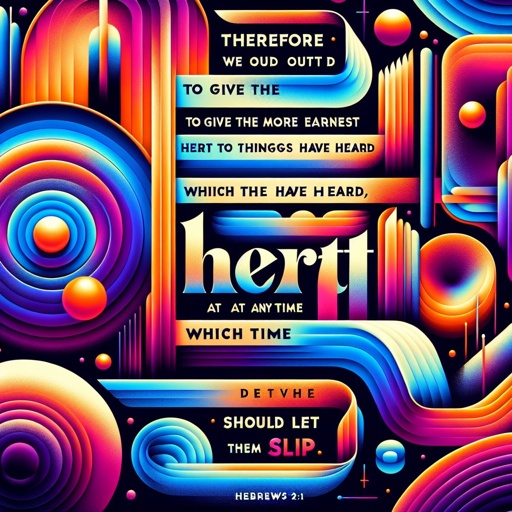
Hebrews 2:1 - "Therefore we ought to give the more earnest heed to the things which we have heard, lest at any time we should let them slip."

Hebrews 6:1

Hebrews 6:1

Hebrews 11:2 - "For by it the elders obtained a good report."

Hebrews 8:1-5

Hebrews 2:2 - "For if the word spoken by angels was stedfast, and every transgression and disobedience received a just recompence of reward;"
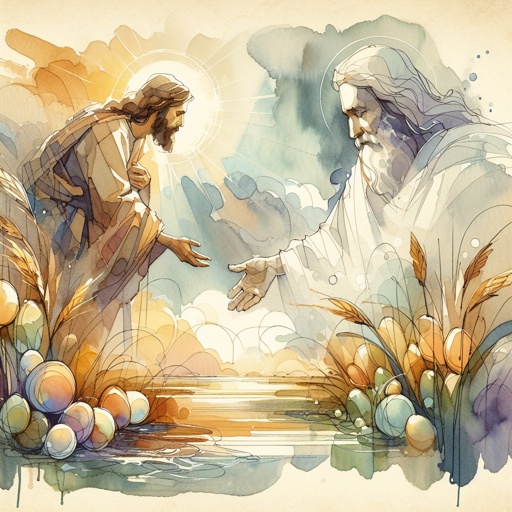
Hebrews 2:1 (KJV) 1 Therefore we ought to give the more earnest heed to the things which we have heard, lest at any time we should let them slip.

Hebrews 13:1 - "Let brotherly love continue."

Hebrews 6:2 - "Of the doctrine of baptisms, and of laying on of hands, and of resurrection of the dead, and of eternal judgment."

Hebrews 8:2 - "A minister of the sanctuary, and of the true tabernacle, which the Lord pitched, and not man."

Hebrews 1:1 - "God, who at sundry times and in divers manners spake in time past unto the fathers by the prophets,"

"For by it the elders obtained a good report." - Hebrews 11:2

Hebrews 13:2 - "Be not forgetful to entertain strangers: for thereby some have entertained angels unawares."

Hebrews 11:1 - "Now faith is the substance of things hoped for, the evidence of things not seen."

Hebrews 3:2 - "Who was faithful to him that appointed him, as also Moses was faithful in all his house."
Hebrews 2:18 - "For in that he himself hath suffered being tempted, he is able to succour them that are tempted."

Hebrews 2:5 - "For unto the angels hath he not put in subjection the world to come, whereof we speak."

Hebrews 9:2 - "For there was a tabernacle made; the first, wherein was the candlestick, and the table, and the shewbread; which is called the sanctuary."

Hebrews 2:16 - "For verily he took not on him the nature of angels; but he took on him the seed of Abraham."

Hebrews 2:15 - "And deliver them who through fear of death were all their lifetime subject to bondage."

Hebrews 1:11 - "They shall perish; but thou remainest; and they all shall wax old as doth a garment;"

Hebrews 7:1-2 - "For this Melchizedek, king of Salem, priest of the Most High God, met Abraham returning from the slaughter of the kings and blessed him, and to him Abraham apportioned a tenth part of everything. He is first, by translation of his name, king of righteousness, and then he is also king of Salem, that is, king of peace."

"Let brotherly love continue." - Hebrews 13:1

jesus is the radiance of the father's glory hebrews 1:3

Hebrews 5:2 - "Who can have compassion on the ignorant, and on them that are out of the way; for that he himself also is compassed with infirmity."

Hebrews 1:14 - "Are they not all ministering spirits, sent forth to minister for them who shall be heirs of salvation?"