What does Hebrews 1:7 mean?
“And of the angels he saith, Who maketh his angels spirits, and his ministers a flame of fire.” — Hebrews 1:7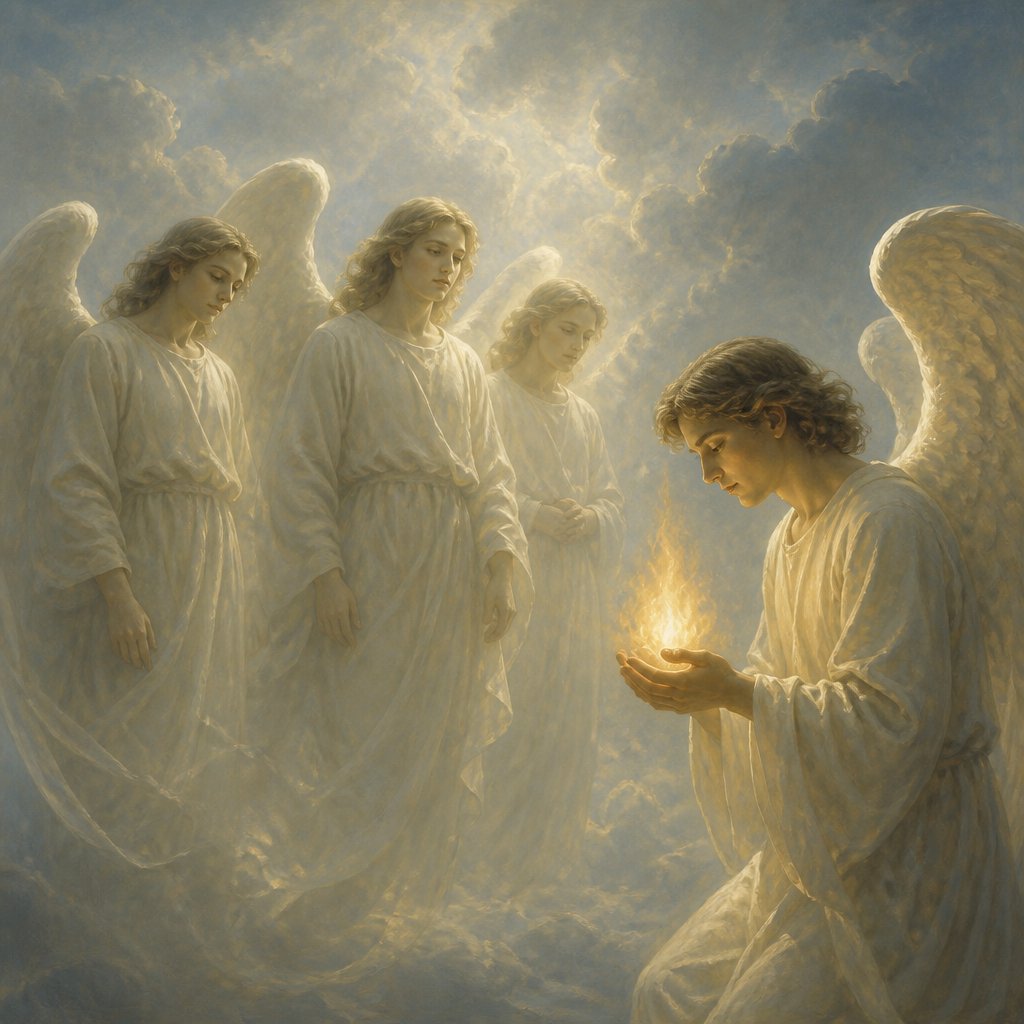
Hebrews 1:7 in the King James Version of the Bible states, "And of the angels he saith, Who maketh his angels spirits, and his ministers a flame of fire." This verse is part of a larger passage in the book of Hebrews, which is a letter written to Jewish Christians, urging them to remain faithful to Jesus Christ and his teachings. In this particular verse, the author is emphasizing the superiority of Jesus Christ over the angels.
The theme of the superiority of Jesus Christ is central to the message of the book of Hebrews. The author repeatedly emphasizes that Jesus is the Son of God, and as such, he holds a unique and exalted position above all other beings, including the angels. In Hebrews 1:7, the author quotes from the Old Testament to underscore the transcendent nature of the angels, who are described as "spirits" and "flames of fire" in their role as ministers of God.
The context of Hebrews 1:7 can be found in the surrounding verses, where the author further elaborates on the unique status of Jesus Christ. In verses 5-6, the author quotes from Psalm 2:7 and Deuteronomy 32:43 to demonstrate that God has appointed Jesus as his Son and has commanded all the angels to worship him. This serves to emphasize Jesus' preeminence over the angels, as they are instructed to bow down and serve him.
The symbolism in Hebrews 1:7 is rich and significant. The imagery of angels as "spirits" and "flames of fire" speaks to their immaterial and transcendent nature. The use of these metaphors underscores the ethereal and otherworldly qualities of the angels, highlighting their divine origin and their role as messengers and servants of God. By contrasting the angels with Jesus Christ, the author of Hebrews is emphasizing the incomparable nature of Jesus' divine status.
Furthermore, the symbolism of fire has deep spiritual significance in the Bible. Fire is often associated with purification, divine presence, and judgment. In the context of Hebrews 1:7, the imagery of the angels as "flames of fire" may symbolize their role in executing God's will, purifying and refining the faithful, and bringing about divine judgment. This serves to underscore the awe-inspiring and powerful nature of the angels, while also highlighting the surpassing glory and authority of Jesus Christ.
In addition, the symbolism of fire can also be understood in a metaphorical sense, representing the fervent zeal and passionate devotion with which the angels carry out their duties as ministers of God. This emphasizes the dynamic and active nature of their service, as they are likened to flames that burn brightly and unceasingly in their mission to fulfill God's commands.
Overall, Hebrews 1:7 in the King James Version of the Bible carries a profound and thought-provoking message about the unique and exalted status of Jesus Christ in relation to the angels. Through the use of rich symbolism and powerful imagery, the author of Hebrews underscores the transcendent nature of Jesus' divine identity, while also highlighting the awe-inspiring and majestic role of the angels as ministering spirits. This verse serves as a powerful reminder of the singular authority and preeminence of Jesus Christ, and it calls upon believers to recognize and honor his supreme position as the Son of God.
Get our apps


Artwork for Hebrews 1:7

Hebrews 1:7 - "And of the angels he saith, Who maketh his angels spirits, and his ministers a flame of fire."
"And of the angels he saith, Who maketh his angels spirits, and his ministers a flame of fire." - Hebrews 1:7

Hebrews 7:1 - "For this Melchisedec, king of Salem, priest of the most high God, who met Abraham returning from the slaughter of the kings, and blessed him;"

Hebrews 7:7 - "And without all contradiction the less is blessed of the better."

1 Samuel 13:7 - "And some of the Hebrews went over Jordan to the land of Gad and Gilead. As for Saul, he was yet in Gilgal, and all the people followed him trembling."

Hebrews 7:20 - "And inasmuch as not without an oath he was made priest:"

"And without all contradiction the less is blessed of the better." - Hebrews 7:7

Hebrews 7:12 - "For the priesthood being changed, there is made of necessity a change also of the law."

Hebrews 7:24 - "But this man, because he continueth ever, hath an unchangeable priesthood."

Hebrews 7:22 - "By so much was Jesus made a surety of a better testament."

Hebrews 7:17 - "For he testifieth, Thou art a priest for ever after the order of Melchisedec."

Hebrews 7:10 - "For he was yet in the loins of his father, when Melchisedec met him."

Hebrews 7:18 - "For there is verily a disannulling of the commandment going before for the weakness and unprofitableness thereof."

Hebrews 1:14

Hebrews 1:14

Hebrews 7:16 - "Who is made, not after the law of a carnal commandment, but after the power of an endless life."
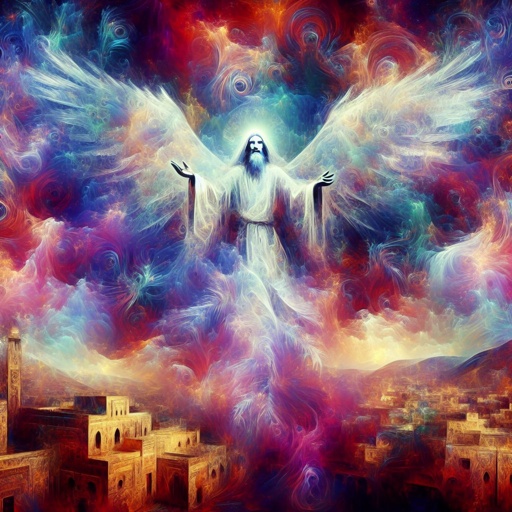
Hebrews 3:7 - "Wherefore (as the Holy Ghost saith, To day if ye will hear his voice,"

Hebrews 6:1

Hebrews 8:7 - "For if that first covenant had been faultless, then should no place have been sought for the second."

Hebrews 7:15 - "And it is yet far more evident: for that after the similitude of Melchisedec there ariseth another priest,"
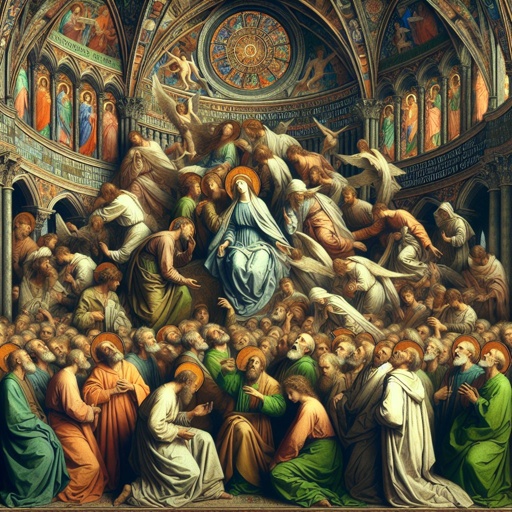
Hebrews 7:23 - "And they truly were many priests, because they were not suffered to continue by reason of death:"

Hebrews 7:8 - "And here men that die receive tithes; but there he receiveth them, of whom it is witnessed that he liveth."

Hebrews 6:1

Hebrews 10:7 - "Then said I, Lo, I come (in the volume of the book it is written of me,) to do thy will, O God."

Hebrews 7:14 - "For it is evident that our Lord sprang out of Juda; of which tribe Moses spake nothing concerning priesthood."

Hebrews 7:13 - "For he of whom these things are spoken pertaineth to another tribe, of which no man gave attendance at the altar."

Hebrews 7:9 - "And as I may so say, Levi also, who receiveth tithes, payed tithes in Abraham."

Hebrews 8:1-5

Hebrews 7:17 - "For he testifieth, Thou art a priest for ever after the order of Melchisedec."
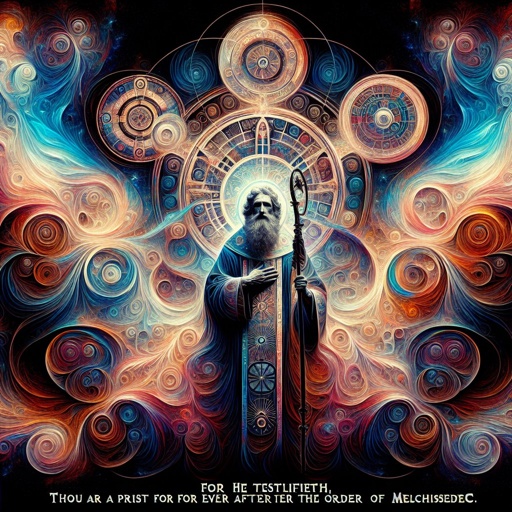
Hebrews 7:17 - "For he testifieth, Thou art a priest for ever after the order of Melchisedec."