What does Hebrews 2:5 mean?
“For unto the angels hath he not put in subjection the world to come, whereof we speak.” — Hebrews 2:5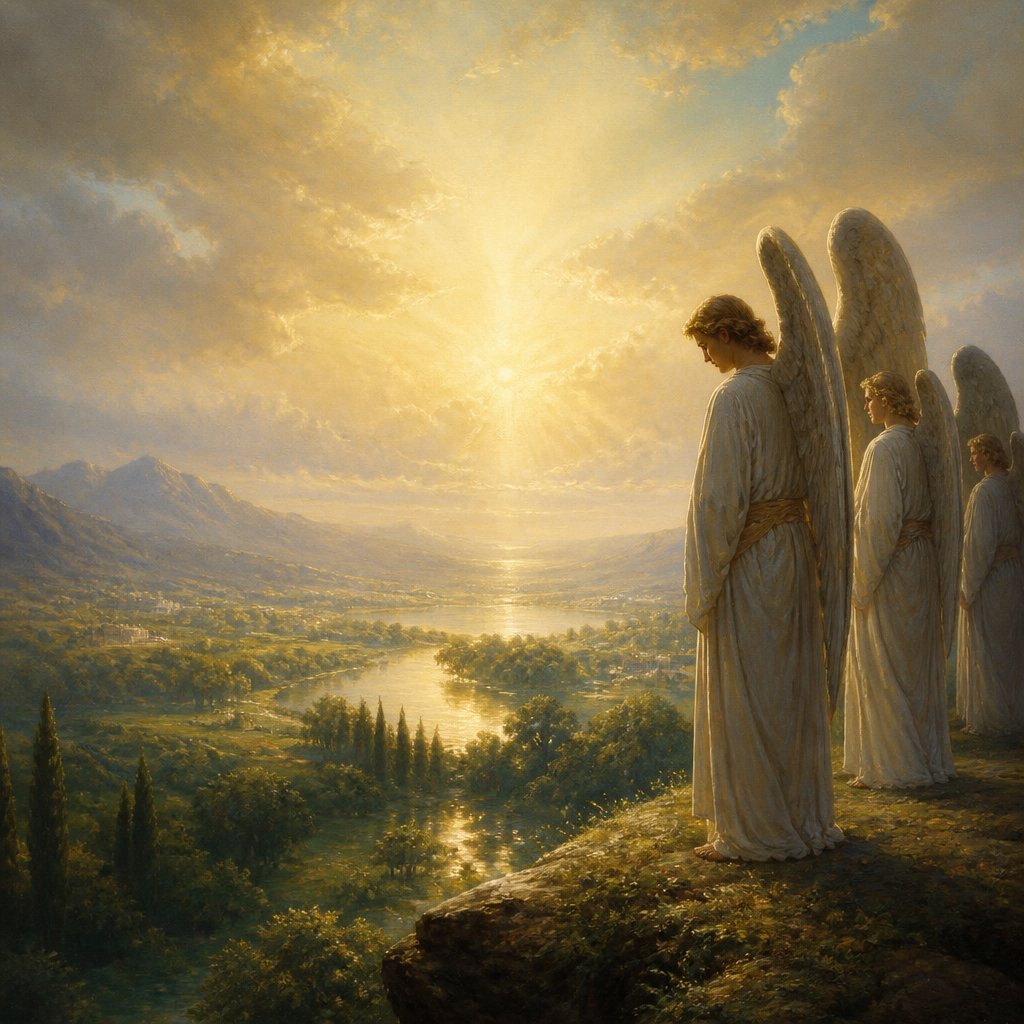
Hebrews 2:5 from the King James Version (KJV) states: "For unto the angels hath he not put in subjection the world to come, whereof we speak."
This verse is from the book of Hebrews, which is an epistle or letter written by an unknown author to the early Christian community. The book of Hebrews is known for its rich theological content, exploring the nature of Jesus Christ and the significance of his sacrifice. In the broader context of the book, Hebrews 2:5 is part of a larger argument regarding the superiority of Jesus Christ over the angels and the fulfillment of God's plan through him.
In this specific verse, the author is emphasizing the special role that has been given to humanity in God's plan for the "world to come." The phrase "unto the angels hath he not put in subjection the world to come" indicates that the future world, the eschatological reality, is not under the dominion of angels. This sets the stage for the subsequent verses which highlight Jesus Christ as the central figure in God's redemptive plan, and the one through whom the future world is ultimately ordered.
The themes presented in Hebrews 2:5 reflect the broader theological ideas found in the book of Hebrews. One of the central themes in Hebrews is the superiority of Jesus Christ. Throughout the book, the author juxtaposes Jesus with various figures from the Jewish tradition, such as Moses, angels, and high priests, in order to demonstrate that Jesus is the ultimate mediator and the fulfillment of God's promises. This theme of supremacy is also reflected in Hebrews 2:5, as it underscores the unique and central role of humanity in God's plan for the future world.
Another key theme in Hebrews is the concept of the "world to come" or the eschatological reality. The author repeatedly emphasizes the idea that the earthly realm is not the final destination, but that there is a future world that will be subject to Christ's reign. This future world is characterized by restoration, redemption, and the fulfillment of God's purposes, and it stands in contrast to the current state of the world, which is marked by brokenness and sin. Hebrews 2:5 speaks to this theme by highlighting the special place that humanity holds in the future world, suggesting that humanity's relationship to the future world is distinct from that of the angels.
Beyond these themes, Hebrews 2:5 also carries significant theological implications. The verse affirms the intentionality and purposefulness of God's design for humanity and the future world. It suggests that humanity is not merely a passive participant in God's plan, but rather an active and integral part of it. This idea is consistent with the broader biblical narrative, which presents humanity as having a unique and honored status in God's creation.
Symbolically, Hebrews 2:5 can be seen as a reflection of the broader biblical motif of humanity's role as vice-regents or stewards of God's creation. Throughout the Bible, humanity is depicted as being entrusted with the care and cultivation of the earth, a role that carries with it a sense of responsibility and privilege. Hebrews 2:5 reinforces this symbolism by highlighting the special role that has been given to humanity in God's plan for the future world.
In conclusion, Hebrews 2:5 from the King James Version (KJV) is a verse that carries rich theological themes and implications. It speaks to the unique role of humanity in God's plan for the future world, emphasizing the superiority of Jesus Christ and affirming the intentionality and purposefulness of God's design. The verse also symbolically underscores the special status and responsibility that humanity holds in the broader biblical narrative. Overall, Hebrews 2:5 serves as a powerful reminder of the significance of humanity in God's redemptive plan and the promise of a future world that is subject to the reign of Christ.
Get our apps


Artwork for Hebrews 2:5

Hebrews 2:5 - "For unto the angels hath he not put in subjection the world to come, whereof we speak."
"For unto the angels hath he not put in subjection the world to come, whereof we speak." - Hebrews 2:5

Hebrews 2:5-9 - "For unto the angels hath he not put in subjection the world to come, whereof we speak. But one in a certain place testified, saying, What is man, that thou art mindful of him? or the son of man that thou visitest him? Thou madest him a little lower than the angels; thou crownedst him with glory and honour, and didst set him over the works of thy hands: Thou hast put all things in subjection under his feet. For in that he put all in subjection under him, he left nothing that is not put under him. But now we see not yet all things put under him. But we see Jesus, who was made a little lower than the angels for the suffering of death, crowned with glory and honour; that he by the grace of God should taste death for every man."
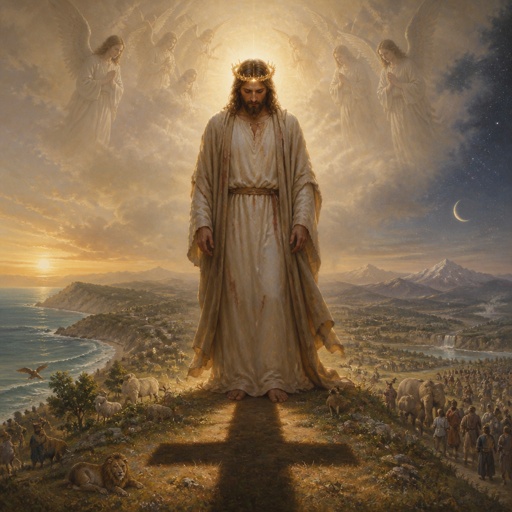
"For unto the angels hath he not put in subjection the world to come, whereof we speak. But one in a certain place testified, saying, What is man, that thou art mindful of him? or the son of man that thou visitest him? Thou madest him a little lower than the angels; thou crownedst him with glory and honour, and didst set him over the works of thy hands: Thou hast put all things in subjection under his feet. For in that he put all in subjection under him, he left nothing that is not put under him. But now we see not yet all things put under him. But we see Jesus, who was made a little lower than the angels for the suffering of death, crowned with glory and honour; that he by the grace of God should taste death for every man." - Hebrews 2:5-9

Hebrews 5:2 - "Who can have compassion on the ignorant, and on them that are out of the way; for that he himself also is compassed with infirmity."

Hebrews 8:5

John 5:2 - "Now there is at Jerusalem by the sheep market a pool, which is called in the Hebrew tongue Bethesda, having five porches."

Hebrews 8:1-5

Hebrews 10:5-10

Hebrews 10:5-10

Hebrews 4:5 - "And in this place again, If they shall enter into my rest."

Hebrews 5:10 - "Called of God an high priest after the order of Melchisedec."

Hebrews 6:5 - "And have tasted the good word of God, and the powers of the world to come,"
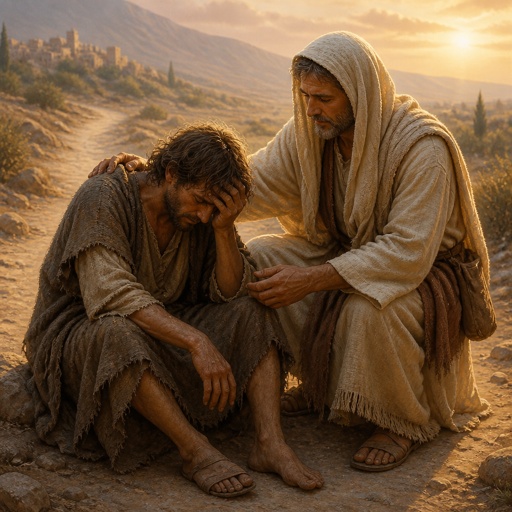
"Who can have compassion on the ignorant, and on them that are out of the way; for that he himself also is compassed with infirmity." - Hebrews 5:2

Philippians 3:5 - "Circumcised the eighth day, of the stock of Israel, of the tribe of Benjamin, an Hebrew of the Hebrews; as touching the law, a Pharisee;"

Hebrews 5:13 - "For every one that useth milk is unskilful in the word of righteousness: for he is a babe."

Hebrews 5:4 - "And no man taketh this honour unto himself, but he that is called of God, as was Aaron."

Hebrews 5:3 - "And by reason hereof he ought, as for the people, so also for himself, to offer for sins."

Hebrews 9:5 - "And over it the cherubims of glory shadowing the mercyseat; of which we cannot now speak particularly."

Hebrews 5:5 - "So also Christ glorified not himself to be made an high priest; but he that said unto him, Thou art my Son, to day have I begotten thee."

Hebrews 5:8 - "Though he were a Son, yet learned he obedience by the things which he suffered;"

Hebrews 5:6 - "As he saith also in another place, Thou art a priest for ever after the order of Melchisedec."

Hebrews 5:11 - "Of whom we have many things to say, and hard to be uttered, seeing ye are dull of hearing."

Hebrews 11:2 - "For by it the elders obtained a good report."

Hebrews 5:9 - "And being made perfect, he became the author of eternal salvation unto all them that obey him;"

Hebrews 2:2 - "For if the word spoken by angels was stedfast, and every transgression and disobedience received a just recompence of reward;"

Hebrews 3:5 - "And Moses verily was faithful in all his house, as a servant, for a testimony of those things which were to be spoken after;"
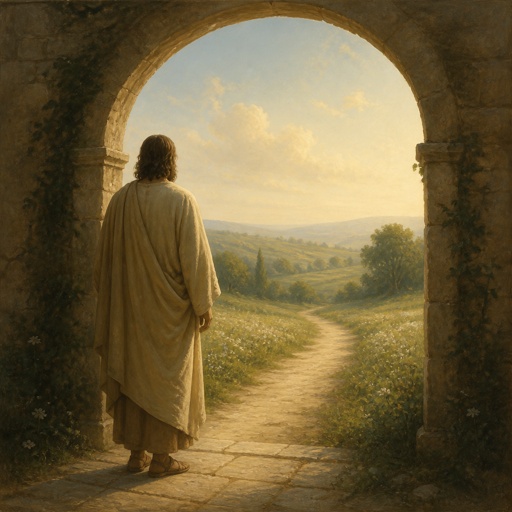
"And in this place again, If they shall enter into my rest." - Hebrews 4:5

Hebrews 10:5 - "Wherefore when he cometh into the world, he saith, Sacrifice and offering thou wouldest not, but a body hast thou prepared me:"
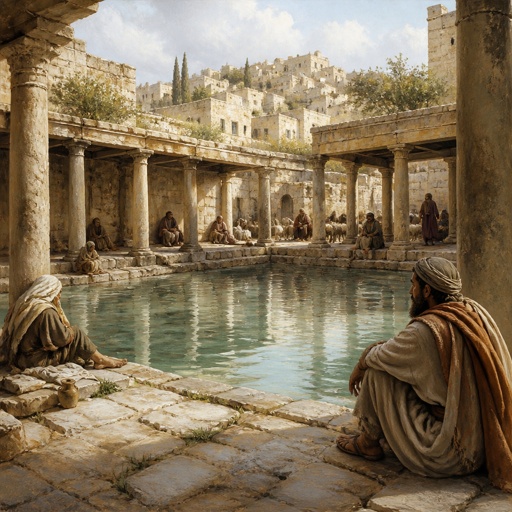
"Now there is at Jerusalem by the sheep market a pool, which is called in the Hebrew tongue Bethesda, having five porches." - John 5:2