What does Hebrews 2:6 mean?
“But one in a certain place testified, saying, What is man, that thou art mindful of him? or the son of man, that thou visitest him?” — Hebrews 2:6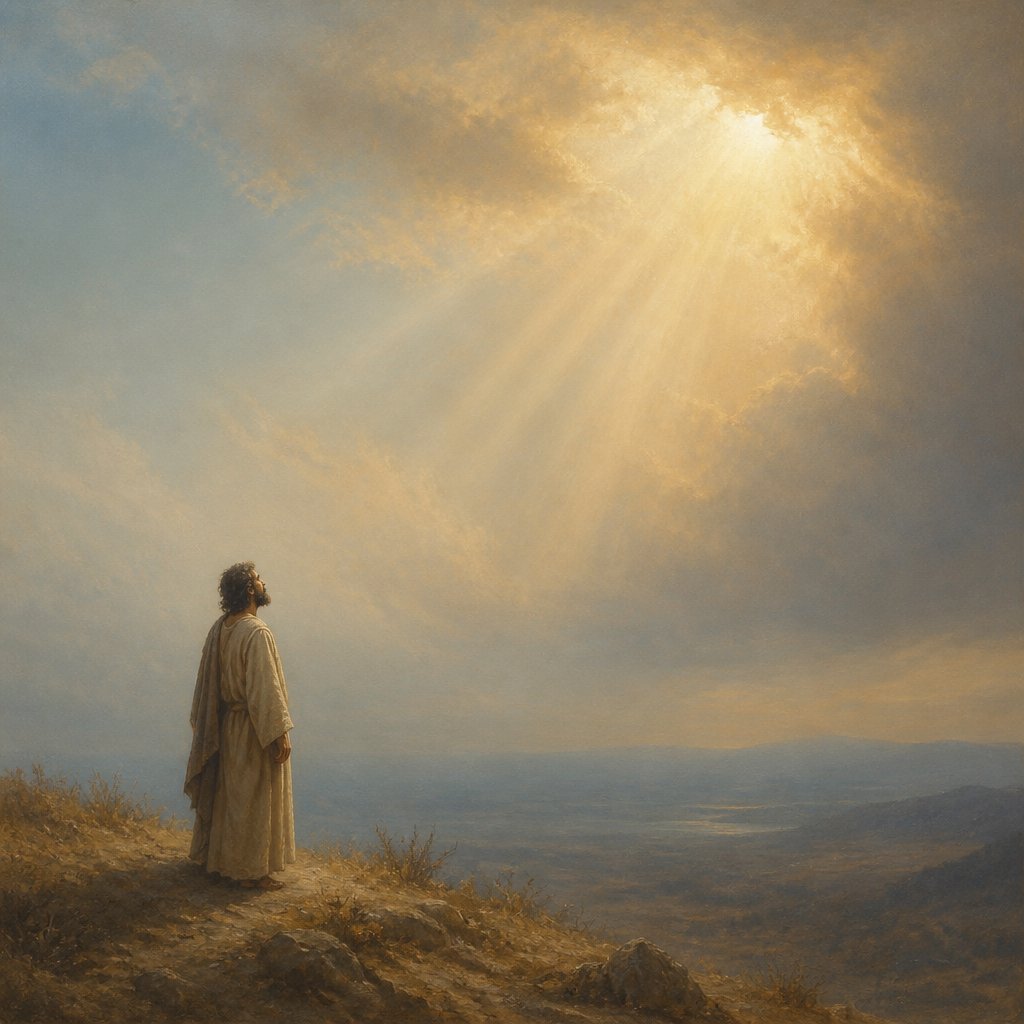
Hebrews 2:6 in the King James Version of the Bible reads, "But one in a certain place testified, saying, What is man, that thou art mindful of him? or the son of man, that thou visitest him?" This verse is part of a larger passage in the Book of Hebrews that emphasizes the supremacy of Jesus Christ and the need for believers to remain faithful to him.
The author of Hebrews, often attributed to the apostle Paul, quotes from Psalm 8:4-6 in this verse. The original psalm speaks of the wonder and awe that the psalmist feels when considering the significance of humanity in the eyes of the Creator. In the Hebrews passage, the author is using this quote as evidence of the appointed authority and importance of Jesus Christ in comparison to humankind.
This verse raises several key themes and questions that have been debated and contemplated for centuries. The first theme is the concept of God's mindfulness and care for humanity. The verse asks, "What is man, that thou art mindful of him?" This question speaks to the idea that God, as the all-powerful and all-knowing Creator, would still show concern and attention for mere mortals. This is a universal and enduring mystery that has captivated theologians, philosophers, and believers throughout history.
The verse also alludes to the nature of human beings themselves. It asks, "What is man, that thou art mindful of him?" This question reflects on the apparent insignificance of humanity in comparison to the grandeur of the universe and the divine. It prompts reflection on the nature and purpose of humanity, our place in the world, and our relationship with the divine.
The phrase "the son of man" is also significant in Hebrews 2:6. This is a title that Jesus frequently used to refer to himself throughout the New Testament. By quoting this phrase in the context of discussing Jesus' supremacy, the author of Hebrews is drawing attention to Jesus' unique role as the Son of God and the savior of humanity. This passage emphasizes Jesus' role as the divine mediator between God and mankind.
In addition to its thematic significance, Hebrews 2:6 holds symbolic and contextual significance within the wider narrative of the Book of Hebrews. The book was likely written to Jewish Christians, possibly those in Rome, who were facing persecution and temptation to turn away from their faith in Jesus. The author seeks to encourage and strengthen their faith by presenting a comprehensive case for the superiority of Christ and the importance of remaining faithful to him. This particular verse serves as a reminder of God's mindfulness and care for humanity, as well as a declaration of the exalted status of Jesus Christ.
Overall, Hebrews 2:6 is a profound and thought-provoking verse that raises important questions about the nature of humanity and our relationship with the divine. It also emphasizes the central role of Jesus Christ as the divine mediator and savior. The verse's themes, context, and symbolism contribute to its enduring significance within the broader biblical narrative and the theological understanding of the Christian faith.
Get our apps


Artwork for Hebrews 2:6
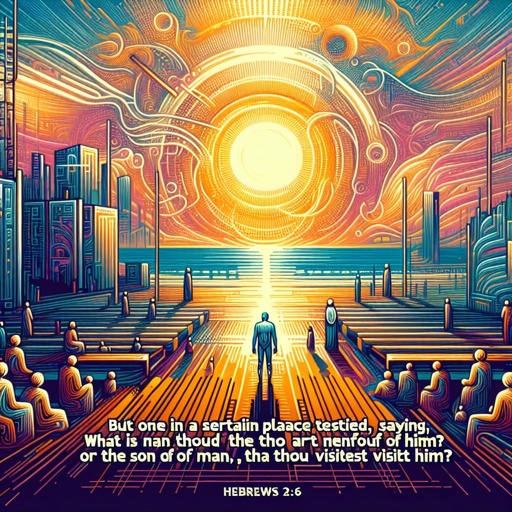
Hebrews 2:6 - "But one in a certain place testified, saying, What is man, that thou art mindful of him? or the son of man, that thou visitest him?"
"But one in a certain place testified, saying, What is man, that thou art mindful of him? or the son of man, that thou visitest him?" - Hebrews 2:6

Hebrews 6:2 - "Of the doctrine of baptisms, and of laying on of hands, and of resurrection of the dead, and of eternal judgment."

Exodus 2:6 - "And when she had opened it, she saw the child: and, behold, the babe wept. And she had compassion on him, and said, This is one of the Hebrews' children."

Hebrews 6:1
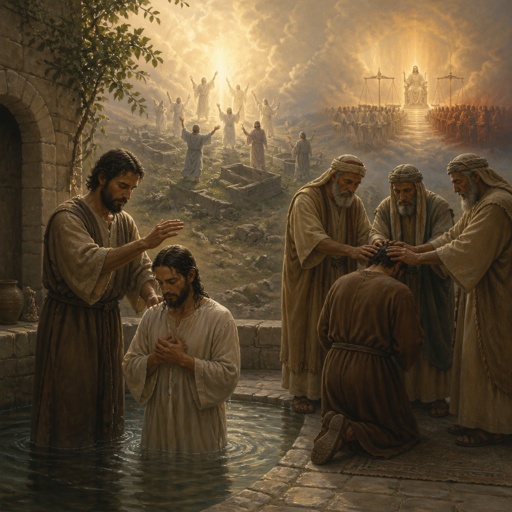
"Of the doctrine of baptisms, and of laying on of hands, and of resurrection of the dead, and of eternal judgment." - Hebrews 6:2

Hebrews 6:1

Hebrews 6:3 - "And this will we do, if God permit."

Hebrews 6:5 - "And have tasted the good word of God, and the powers of the world to come,"

Hebrews 10:6 - "In burnt offerings and sacrifices for sin thou hast had no pleasure."

"And this will we do, if God permit." - Hebrews 6:3

Hebrews 6:15 - "And so, after he had patiently endured, he obtained the promise."

Hebrews 6:6 - "If they shall fall away, to renew them again unto repentance; seeing they crucify to themselves the Son of God afresh, and put him to an open shame."

Hebrews 12:6 - "For whom the Lord loveth he chasteneth, and scourgeth every son whom he receiveth."

Hebrews 6:8 - "But that which beareth thorns and briers is rejected, and is nigh unto cursing; whose end is to be burned."

Hebrews 6:12 - "That ye be not slothful, but followers of them who through faith and patience inherit the promises."

Hebrews 6:14 - "Saying, Surely blessing I will bless thee, and multiplying I will multiply thee."

Hebrews 6:16 - "For men verily swear by the greater: and an oath for confirmation is to them an end of all strife."

Hebrews 6:9 - "But, beloved, we are persuaded better things of you, and things that accompany salvation, though we thus speak."

Hebrews 6:20 - "Whither the forerunner is for us entered, even Jesus, made an high priest for ever after the order of Melchisedec."

Hebrews 6:13 - "For when God made promise to Abraham, because he could swear by no greater, he sware by himself,"

Hebrews 5:6 - "As he saith also in another place, Thou art a priest for ever after the order of Melchisedec."

Hebrews 11:2 - "For by it the elders obtained a good report."

Hebrews 2:2 - "For if the word spoken by angels was stedfast, and every transgression and disobedience received a just recompence of reward;"

Hebrews 6:11 - "And we desire that every one of you do shew the same diligence to the full assurance of hope unto the end:"

Hebrews 9:6 - "Now when these things were thus ordained, the priests went always into the first tabernacle, accomplishing the service of God."

Hebrews 7:6 - "But he whose descent is not counted from them received tithes of Abraham, and blessed him that had the promises."

Hebrews 6:19 - "Which hope we have as an anchor of the soul, both sure and stedfast, and which entereth into that within the veil;"

Hebrews 4:6 - "Seeing therefore it remaineth that some must enter therein, and they to whom it was first preached entered not in because of unbelief:"

Hebrews 6:4 - "For it is impossible for those who were once enlightened, and have tasted of the heavenly gift, and were made partakers of the Holy Ghost,"