What does Hebrews 2:7 mean?
“Thou madest him a little lower than the angels; thou crownedst him with glory and honour, and didst set him over the works of thy hands:” — Hebrews 2:7
Hebrews 2:7 in the King James Version of the Bible reads:
"Thou madest him a little lower than the angels; thou crownedst him with glory and honour, and didst set him over the works of thy hands."
This verse is from the New Testament Book of Hebrews, which is an epistle that addresses Jewish Christians. The verse is part of a larger passage where the author of Hebrews is discussing the superiority of Jesus Christ over the angels and the importance of Christ's role in the redemption of humanity.
In this verse, the author is quoting from Psalm 8:5-6, which says, "For thou hast made him a little lower than the angels, and hast crowned him with glory and honour. Thou madest him to have dominion over the works of thy hands; thou hast put all things under his feet." By quoting this psalm, the author of Hebrews is drawing on the wisdom and authority of the Old Testament to emphasize the exalted status of Jesus Christ.
The verse speaks to themes of human identity, dignity, and purpose. It acknowledges the divine favor that God has bestowed upon humanity, despite our relative insignificance in the grand scheme of creation. It highlights the honor and glory with which God has crowned humanity, and the responsibility and authority that God has entrusted us with.
The phrase "Thou madest him a little lower than the angels" points to the idea that while humans are created as beings that are lower than angels, we are still exalted and honored by God. This reflects the biblical understanding of humanity as being created in the image of God, endowed with inherent worth and dignity. It also speaks to the paradox of human existence, in which we are both finite and fallible creatures, yet elevated and esteemed by our Creator.
The imagery of being "crowned with glory and honor" emphasizes the idea that humans have been granted a special status by God. This echoes the biblical narrative of humanity as the pinnacle of God's creation, made to rule over the earth and reflect God's glory. It also points to the moral responsibility that comes with this exalted status, as humans are called to live in a way that reflects the character and values of their Creator.
The phrase "and did set him over the works of thy hands" speaks to the dominion and authority that God has given to humanity. This echoes the language of Genesis 1:26-28, where God gives humans dominion over the earth and its creatures. It emphasizes the importance of stewardship and responsibility in the way that humans interact with the world around them, as they are called to care for and cultivate the earth in accordance with God's purposes.
In the broader context of the Book of Hebrews, this verse plays a crucial role in the author's argument about the supremacy of Jesus Christ. By highlighting the exalted status and divine favor that God has bestowed upon humanity, the author sets the stage for the central claim that Jesus, as the Son of God, is even greater than the angels and has a unique role in the redemption and restoration of humanity.
Symbolically, this verse points to the significance of humanity in God's purposes and the high calling that we have received from our Creator. It affirms the inherent value and dignity of every human being, regardless of our limitations and shortcomings. It also underscores the idea that humans have been entrusted with a special role in God's plan for the world, and are called to exercise dominion and stewardship in a way that reflects God's intentions for creation.
Overall, Hebrews 2:7 is a powerful declaration of the exalted status and divine favor that God has bestowed upon humanity, and it lays the groundwork for the author's larger argument about the significance of Jesus Christ in the redemption and restoration of humanity. This verse has profound implications for understanding the nature of humanity, our relationship with God, and our role in the unfolding drama of God's redemption.
Get our apps


Artwork for Hebrews 2:7

Hebrews 2:7 - "Thou madest him a little lower than the angels; thou crownedst him with glory and honour, and didst set him over the works of thy hands:"
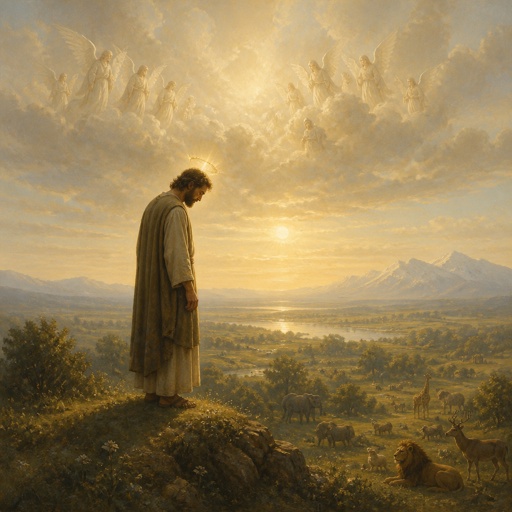
"Thou madest him a little lower than the angels; thou crownedst him with glory and honour, and didst set him over the works of thy hands:" - Hebrews 2:7

Hebrews 7:7 - "And without all contradiction the less is blessed of the better."

Hebrews 7:2 - "To whom also Abraham gave a tenth part of all; first being by interpretation King of righteousness, and after that also King of Salem, which is, King of peace;"
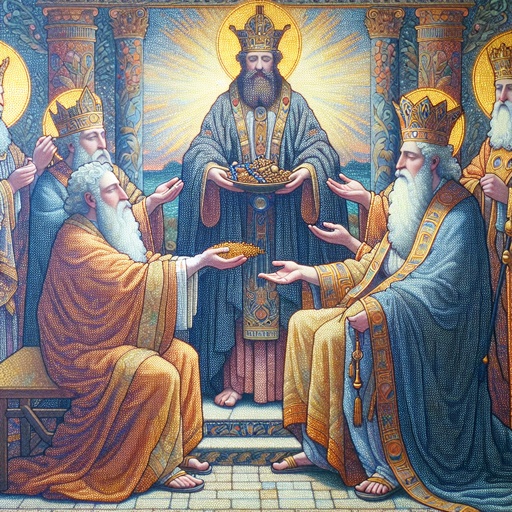
Hebrews 7:2 (KJV) 2 To whom also Abraham gave a tenth part of all; first being by interpretation King of righteousness, and after that also King of Salem, which is, King of peace;
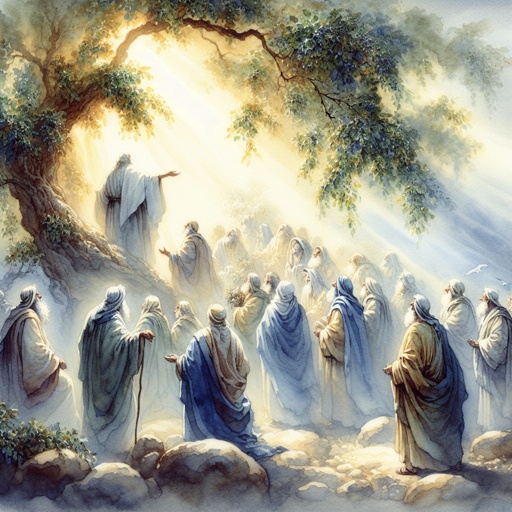
Hebrews 7:2 (KJV) 2 To whom also Abraham gave a tenth part of all; first being by interpretation King of righteousness, and after that also King of Salem, which is, King of peace;
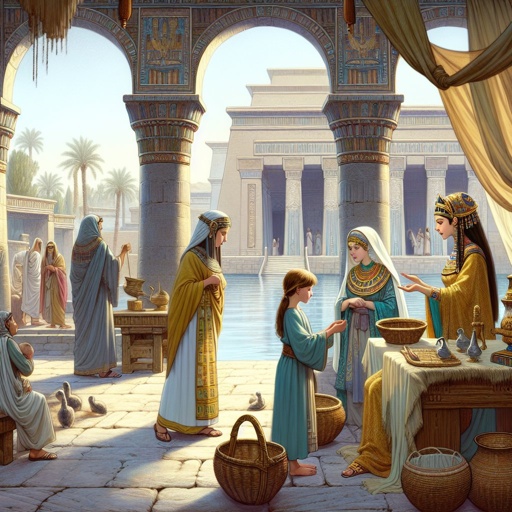
Exodus 2:7 - "Then said his sister to Pharaoh's daughter, Shall I go and call to thee a nurse of the Hebrew women, that she may nurse the child for thee?"

Hebrews 7:20 - "And inasmuch as not without an oath he was made priest:"

"And without all contradiction the less is blessed of the better." - Hebrews 7:7

Hebrews 7:12 - "For the priesthood being changed, there is made of necessity a change also of the law."

Hebrews 7:24 - "But this man, because he continueth ever, hath an unchangeable priesthood."

Hebrews 7:22 - "By so much was Jesus made a surety of a better testament."

Hebrews 7:17 - "For he testifieth, Thou art a priest for ever after the order of Melchisedec."

Hebrews 7:10 - "For he was yet in the loins of his father, when Melchisedec met him."

Hebrews 7:18 - "For there is verily a disannulling of the commandment going before for the weakness and unprofitableness thereof."

Hebrews 7:16 - "Who is made, not after the law of a carnal commandment, but after the power of an endless life."
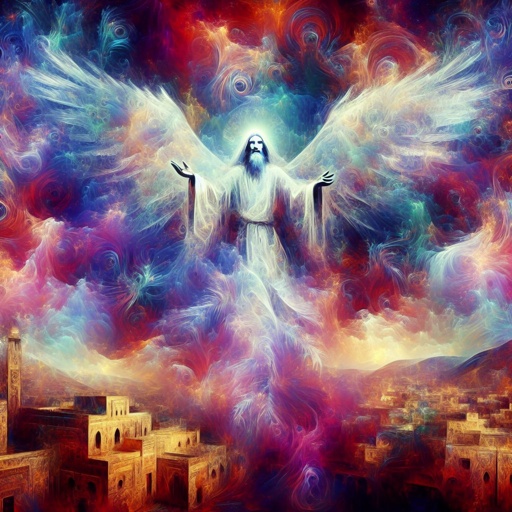
Hebrews 3:7 - "Wherefore (as the Holy Ghost saith, To day if ye will hear his voice,"

Hebrews 8:7 - "For if that first covenant had been faultless, then should no place have been sought for the second."

Hebrews 7:15 - "And it is yet far more evident: for that after the similitude of Melchisedec there ariseth another priest,"
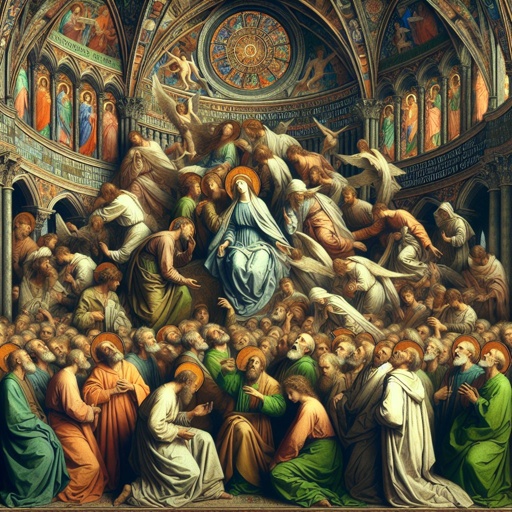
Hebrews 7:23 - "And they truly were many priests, because they were not suffered to continue by reason of death:"

Hebrews 7:8 - "And here men that die receive tithes; but there he receiveth them, of whom it is witnessed that he liveth."

Hebrews 1:7 - "And of the angels he saith, Who maketh his angels spirits, and his ministers a flame of fire."

Hebrews 7:1-2 - "For this Melchizedek, king of Salem, priest of the Most High God, met Abraham returning from the slaughter of the kings and blessed him, and to him Abraham apportioned a tenth part of everything. He is first, by translation of his name, king of righteousness, and then he is also king of Salem, that is, king of peace."

Hebrews 10:7 - "Then said I, Lo, I come (in the volume of the book it is written of me,) to do thy will, O God."

Hebrews 7:14 - "For it is evident that our Lord sprang out of Juda; of which tribe Moses spake nothing concerning priesthood."

Hebrews 7:13 - "For he of whom these things are spoken pertaineth to another tribe, of which no man gave attendance at the altar."

Hebrews 7:9 - "And as I may so say, Levi also, who receiveth tithes, payed tithes in Abraham."

Hebrews 11:2 - "For by it the elders obtained a good report."

Exodus 2: 7 Miriam asked Pharaoh's daughter whether she could go and get a hebrew nurse with river, pyramids in background. Maids looking on

Hebrews 2:2 - "For if the word spoken by angels was stedfast, and every transgression and disobedience received a just recompence of reward;"