What does Hebrews 3:17 mean?
“But with whom was he grieved forty years? was it not with them that had sinned, whose carcases fell in the wilderness?” — Hebrews 3:17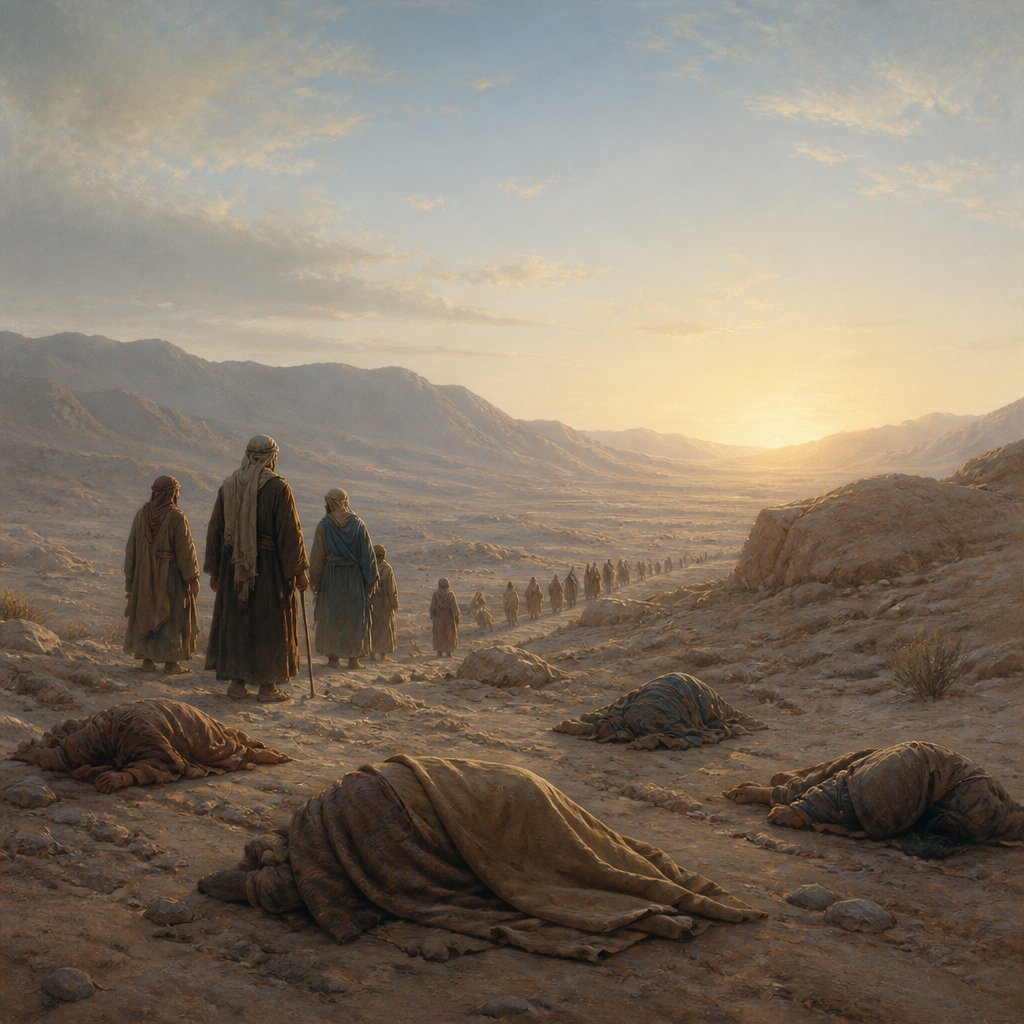
Hebrews 3:17 in the King James Version of the Bible reads, "But with whom was he grieved forty years? was it not with them that had sinned, whose carcases fell in the wilderness?" This verse is part of a larger passage in the Book of Hebrews that serves as a stern warning to the Israelites about the consequences of disobedience and unbelief in God. In order to fully understand the meaning and implications of Hebrews 3:17, it is important to explore the historical context, themes, and symbolism present in this verse.
The book of Hebrews is believed to have been written by the apostle Paul and is addressed to Jewish Christians who were facing persecution and the temptation to turn away from their faith in Christ. In this particular verse, the author is referencing a specific event from the Old Testament – the Israelites' journey through the wilderness after their exodus from Egypt. The verse alludes to the Israelites' rebellion against God during their time in the wilderness, which ultimately led to their punishment and inability to enter the promised land.
The "forty years" mentioned in Hebrews 3:17 refers to the period of time that the Israelites wandered in the wilderness before finally entering the land of Canaan. This was a consequence of their lack of faith and disobedience towards God, as demonstrated by their constant grumbling, complaining, and turning to idols. The verse points out that during this time, God was grieved by the sinful behavior of the Israelites, and as a result, many of them died in the wilderness without ever seeing the land that God had promised to them.
The theme of disobedience and unbelief is central to Hebrews 3:17 and the larger passage in which it appears. The author of Hebrews uses the example of the Israelites to warn the recipients of the letter against falling into the same pattern of disobedience and unbelief. By referencing the consequences of the Israelites' sin, the author is urging the readers to remain steadfast in their faith and to heed the warning of God's judgment for those who stray from His commandments.
The symbolism present in Hebrews 3:17 lies in the imagery of the Israelites' "carcases falling in the wilderness." This graphic language serves as a powerful reminder of the devastating consequences of disobedience and unbelief. The Israelites' failure to trust in God and follow His guidance resulted in their physical death in the wilderness, and serves as a cautionary tale for believers in the present day. The verse serves as a sobering reminder of the importance of remaining faithful and obedient to God, and the dire consequences that can result from turning away from Him.
In conclusion, Hebrews 3:17 serves as a poignant reminder of the Israelites' disobedience and unbelief during their time in the wilderness, and the severe consequences that followed. The verse carries a message of warning and encouragement to the readers, urging them to remain steadfast in their faith and to avoid the pitfalls of disobedience and unbelief. The historical context, themes, and symbolism present in Hebrews 3:17 combine to create a powerful and impactful message that continues to resonate with believers today.
Get our apps


Artwork for Hebrews 3:17
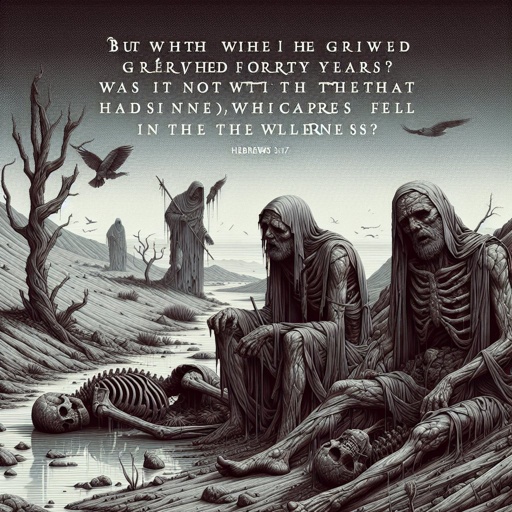
Hebrews 3:17 - "But with whom was he grieved forty years? was it not with them that had sinned, whose carcases fell in the wilderness?"
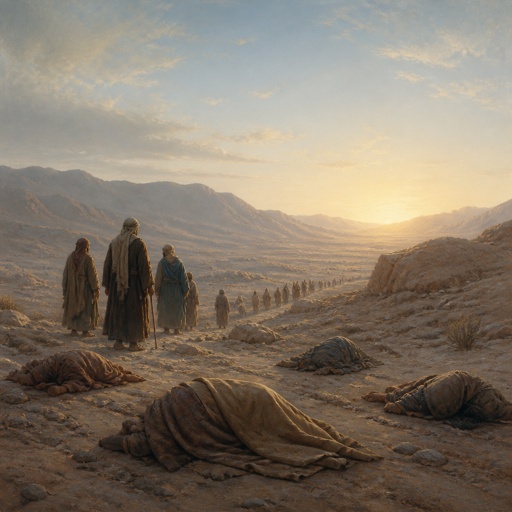
"But with whom was he grieved forty years? was it not with them that had sinned, whose carcases fell in the wilderness?" - Hebrews 3:17

Hebrews 10:17 - "And their sins and iniquities will I remember no more."

Hebrews 13:3

Hebrews 7:17 - "For he testifieth, Thou art a priest for ever after the order of Melchisedec."

Hebrews 9:17 - "For a testament is of force after men are dead: otherwise it is of no strength at all while the testator liveth."

Hebrews 6:3 - "And this will we do, if God permit."

"And their sins and iniquities will I remember no more." - Hebrews 10:17

Hebrews 3:8 - "Harden not your hearts, as in the provocation, in the day of temptation in the wilderness:"

Hebrews 3:19 - "So we see that they could not enter in because of unbelief."

Hebrews 7:17 - "For he testifieth, Thou art a priest for ever after the order of Melchisedec."

Hebrews 7:17 - "For he testifieth, Thou art a priest for ever after the order of Melchisedec."

Hebrews 3:18 - "And to whom sware he that they should not enter into his rest, but to them that believed not?"

Hebrews 3:11 - "So I sware in my wrath, They shall not enter into my rest.)"

"And this will we do, if God permit." - Hebrews 6:3

Hebrews 10:3 - "But in those sacrifices there is a remembrance again made of sins every year."

Hebrews 9:3 - "And after the second veil, the tabernacle which is called the Holiest of all;"

Hebrews 6:17 - "Wherein God, willing more abundantly to shew unto the heirs of promise the immutability of his counsel, confirmed it by an oath:"

Philippians 3:5 - "Circumcised the eighth day, of the stock of Israel, of the tribe of Benjamin, an Hebrew of the Hebrews; as touching the law, a Pharisee;"

2 Samuel 3:17 - "¶ And Abner had communication with the elders of Israel, saying, Ye sought for David in times past to be king over you:"

Hebrews 3:7 - "Wherefore (as the Holy Ghost saith, To day if ye will hear his voice,"

jesus is the radiance of the father's glory hebrews 1:3
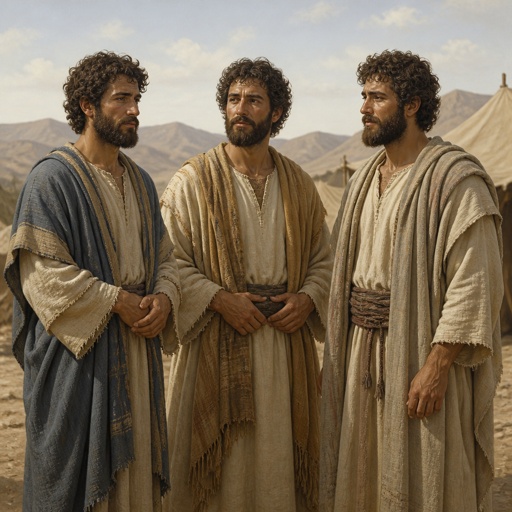
"And these were the sons of Levi by their names; Gershon, and Kohath, and Merari." - Numbers 3:17

Hebrews 3:2 - "Who was faithful to him that appointed him, as also Moses was faithful in all his house."

Hebrews 5:3 - "And by reason hereof he ought, as for the people, so also for himself, to offer for sins."

Hebrews 3:4 - "For every house is builded by some man; but he that built all things is God."

Hebrews 3:3 - "For this man was counted worthy of more glory than Moses, inasmuch as he who hath builded the house hath more honour than the house."
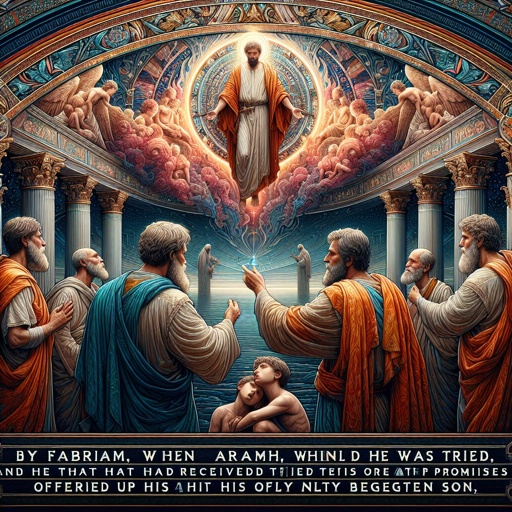
Hebrews 11:17 - "By faith Abraham, when he was tried, offered up Isaac: and he that had received the promises offered up his only begotten son,"

Hebrews 3:9 - "When your fathers tempted me, proved me, and saw my works forty years."

Hebrews 3:16 - "For some, when they had heard, did provoke: howbeit not all that came out of Egypt by Moses."