What does Hebrews 5:4 mean?
“And no man taketh this honour unto himself, but he that is called of God, as was Aaron.” — Hebrews 5:4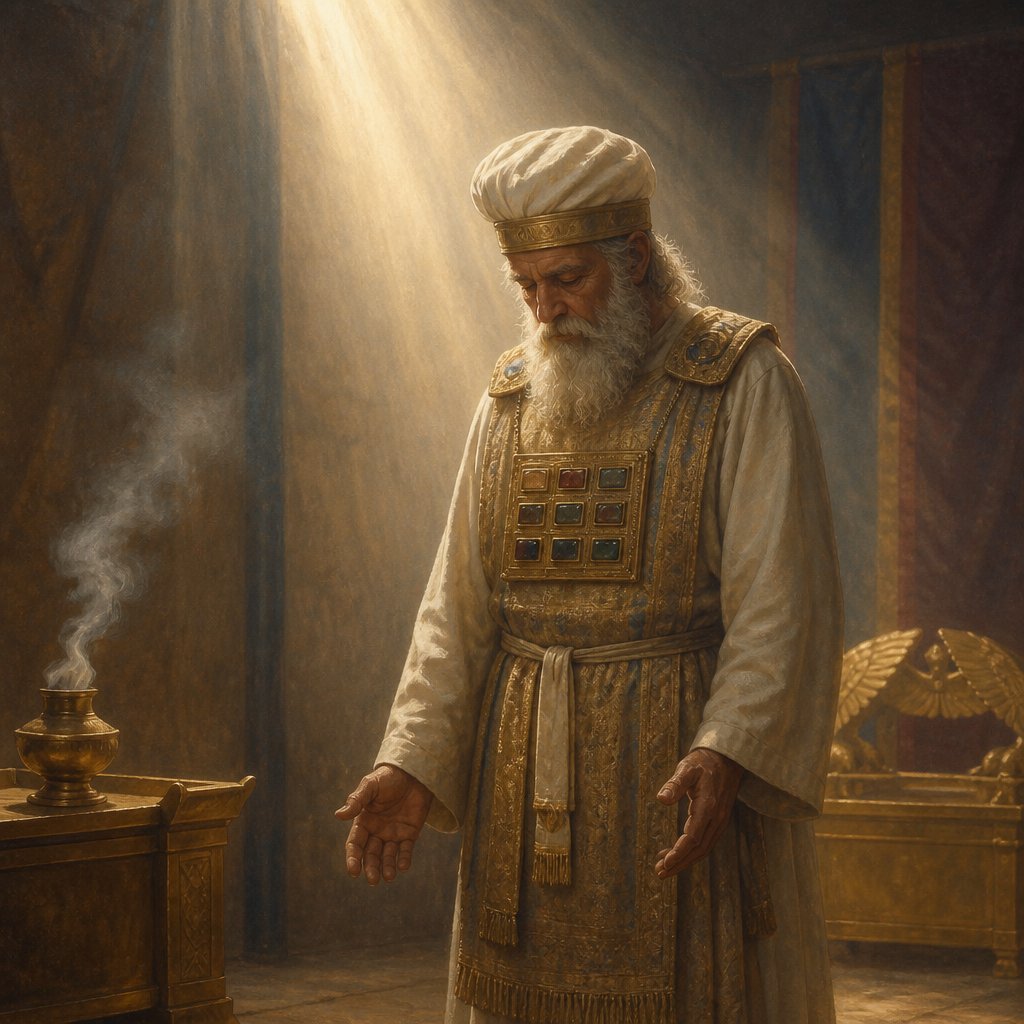
Hebrews 5:4 in the King James Version reads, "And no man taketh this honour unto himself, but he that is called of God, as was Aaron." This verse is found within a larger passage that discusses the appointment of high priests and their role in offering sacrifices for the people's sins. The book of Hebrews was written to Jewish Christians who were familiar with the Old Testament sacrificial system and its priesthood. The author of Hebrews seeks to show how Jesus Christ fulfills and surpasses the role of the high priest, offering a more perfect sacrifice for sin.
The verse specifically focuses on the concept of the high priest being appointed by God, rather than taking the honor upon himself. In the Old Testament, Aaron was chosen by God to be the first high priest of Israel, and his descendants held this position in subsequent generations. This verse highlights the divine authority behind the priesthood and the importance of God's calling in the selection of those who would carry out this sacred duty.
The theme of divine calling and authority is central to the book of Hebrews as a whole. The author emphasizes that Jesus did not simply choose to become high priest on his own accord, but was appointed by God himself. This underscores Jesus' unique role as the mediator between God and humanity, a role that was established by God's design and not by human initiative.
The verse also highlights the contrast between the priesthood established by God and human attempts to usurp or claim authority. The author of Hebrews asserts that the high priesthood is a sacred trust that must be conferred by divine appointment, and no one has the right to assume this role without God's calling. This serves as a warning against the presumption and pride of individuals who would seek to exercise authority in matters of spiritual significance without God's endorsement.
Furthermore, the verse serves as a reminder to the Jewish Christians that the Levitical priesthood, with its elaborate system of sacrifices and rituals, was only a foreshadowing of the ultimate high priest, Jesus Christ. The book of Hebrews emphasizes that Jesus' priesthood is far superior to that of the Levitical priests, as his sacrifice was once and for all, offering eternal salvation to those who believe.
Symbolically, the verse draws attention to the importance of humility and obedience in carrying out God's purposes. The high priest represented the people before God, offering sacrifices for their sins and interceding on their behalf. The requirement of divine calling for the high priest reflects God's desire for his representatives to act with humility and obedience, recognizing the weight of their responsibility.
In conclusion, Hebrews 5:4 emphasizes the divine appointment of the high priest and the unique role of Jesus Christ as the ultimate high priest. The verse underscores the importance of God's authority in matters of spiritual leadership and serves as a reminder of the significance of Jesus' sacrifice for humanity. Through its themes of divine calling, authority, and humility, this verse contributes to the broader theological message of the book of Hebrews and its portrayal of Jesus as the fulfillment of the Old Testament priesthood.
Get our apps


Artwork for Hebrews 5:4

Hebrews 5:4 - "And no man taketh this honour unto himself, but he that is called of God, as was Aaron."
"And no man taketh this honour unto himself, but he that is called of God, as was Aaron." - Hebrews 5:4

Hebrews 4:5 - "And in this place again, If they shall enter into my rest."

"And in this place again, If they shall enter into my rest." - Hebrews 4:5

Hebrews 8:5

Hebrews 8:1-5

Hebrews 10:5-10

Hebrews 10:5-10

Hebrews 4:9 - "There remaineth therefore a rest to the people of God."

Hebrews 5:10 - "Called of God an high priest after the order of Melchisedec."

Hebrews 6:5 - "And have tasted the good word of God, and the powers of the world to come,"

Philippians 3:5 - "Circumcised the eighth day, of the stock of Israel, of the tribe of Benjamin, an Hebrew of the Hebrews; as touching the law, a Pharisee;"

Hebrews 10:4 - "For it is not possible that the blood of bulls and of goats should take away sins."

Hebrews 5:13 - "For every one that useth milk is unskilful in the word of righteousness: for he is a babe."

Hebrews 4:4 - "For he spake in a certain place of the seventh day on this wise, And God did rest the seventh day from all his works."

Hebrews 12:4 - "Ye have not yet resisted unto blood, striving against sin."

Hebrews 4:12 – "For the word of God is alive and active. Sharper than any double-edged sword."

Hebrews 5:3 - "And by reason hereof he ought, as for the people, so also for himself, to offer for sins."

Hebrews 2:5 - "For unto the angels hath he not put in subjection the world to come, whereof we speak."

Hebrews 4:12 – "For the word of God is alive and active. Sharper than any double-edged sword."

Hebrews 13:4 - "Marriage is honourable in all, and the bed undefiled: but whoremongers and adulterers God will judge."

Hebrews 9:5 - "And over it the cherubims of glory shadowing the mercyseat; of which we cannot now speak particularly."

Hebrews 3:4 - "For every house is builded by some man; but he that built all things is God."
!["For the word of God [is] quick, and powerful, and sharper than any twoedged sword, piercing even to the dividing asunder of soul and spirit, and of the joints and marrow, and [is] a discerner of the thoughts and intents of the heart." - Hebrews 4:12](https://media.bible.art/0705b859-7ae8-4ac8-9dce-49043e2ec43b-thumbnail.jpg)
"For the word of God [is] quick, and powerful, and sharper than any twoedged sword, piercing even to the dividing asunder of soul and spirit, and of the joints and marrow, and [is] a discerner of the thoughts and intents of the heart." - Hebrews 4:12

Hebrews 5:5 - "So also Christ glorified not himself to be made an high priest; but he that said unto him, Thou art my Son, to day have I begotten thee."

Hebrews 5:8 - "Though he were a Son, yet learned he obedience by the things which he suffered;"

Hebrews 5:6 - "As he saith also in another place, Thou art a priest for ever after the order of Melchisedec."

Hebrews 5:11 - "Of whom we have many things to say, and hard to be uttered, seeing ye are dull of hearing."

Hebrews 5:2 - "Who can have compassion on the ignorant, and on them that are out of the way; for that he himself also is compassed with infirmity."

Hebrews 8:4 - "For if he were on earth, he should not be a priest, seeing that there are priests that offer gifts according to the law:"