What does Hebrews 6:17-18 mean?
“Where in God, willing more abundantly to shew unto the heirs of promise the immutability of his counsel, confirmed it by an oath: That by two immutable things, in which it was impossible for God to lie, we might have a strong consolation, who have fled for refuge to lay hold upon the hope set before us:” — Hebrews 6:17-18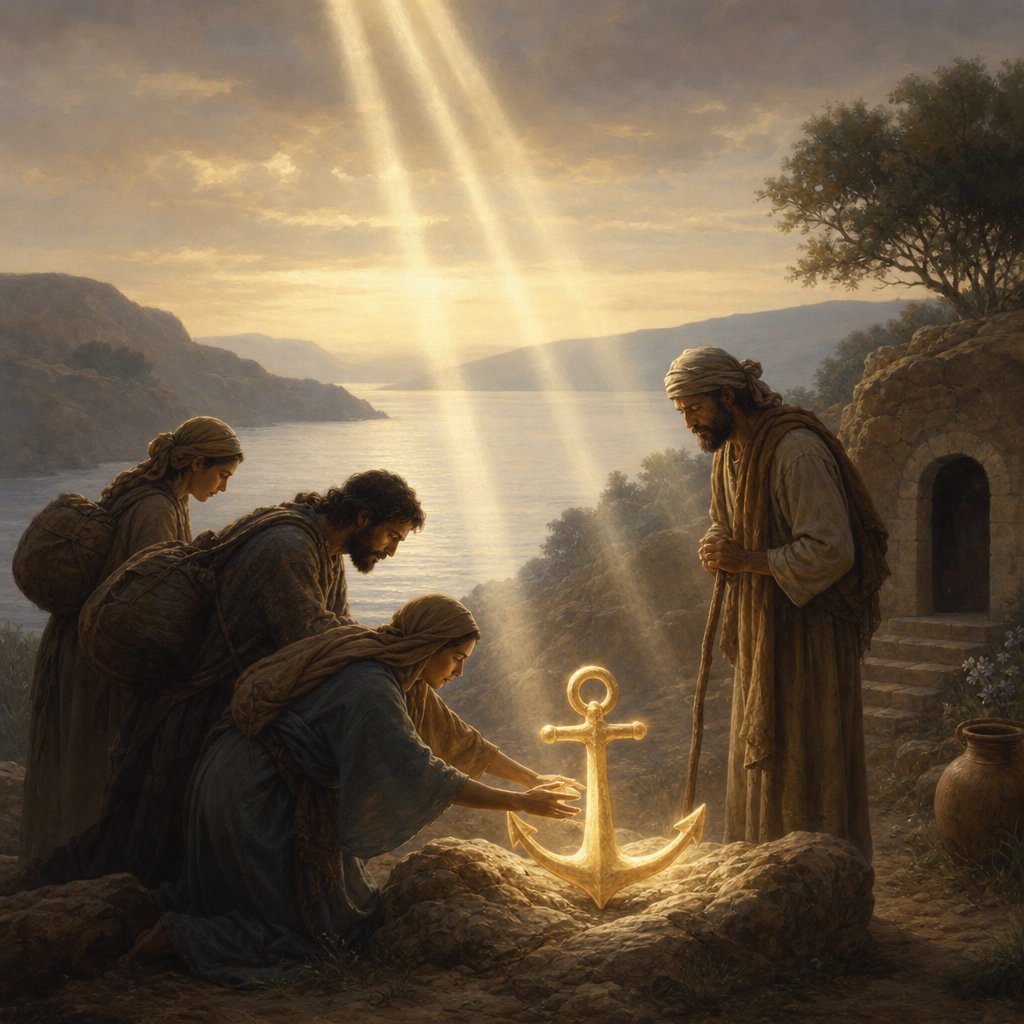
Hebrews 6:17–18 in the KJV is spoken into a passage that has just recalled God’s promise to Abraham and the way that promise was confirmed by an oath. The writer is strengthening weary believers by directing them away from the instability of their feelings and circumstances and toward the immovable certainty of what God has said and sworn. The immediate context is reassurance: God’s people may be tried, delayed, and tempted to draw back, yet the ground of their hope is not their endurance but God’s unchanging purpose and God’s unbreakable word.
The verses read, “Wherein God, willing more abundantly to shew unto the heirs of promise the immutability of his counsel, confirmed it by an oath: That by two immutable things, in which it was impossible for God to lie, we might have a strong consolation, who have fled for refuge to lay hold upon the hope set before us.” The language is legal and covenantal. God is pictured as deliberately making his intent unmistakable to “the heirs of promise,” not merely by speaking, but by condescending to the human way of establishing certainty: he “confirmed it by an oath.” In ordinary human affairs an oath ends dispute by calling upon a higher authority, yet God has none higher than himself; thus he swears by himself, not because his bare word is doubtful, but because his mercy adapts itself to human weakness. The theme is not that God needed reinforcement, but that believers needed reassurance. God “willing more abundantly” indicates a generous, overflowing intention to make his steadfast purpose visible, so that the heirs would not have to live on guesswork.
The heart of the passage is the phrase “the immutability of his counsel.” God’s “counsel” is his settled will, his determined purpose, his plan that does not fluctuate. “Immutability” means it cannot be altered, revised, or overturned. The writer’s point is that the hope of God’s people rests on something that cannot change, because it rests on Someone who does not change in truthfulness or intent. This is especially significant in Hebrews, a book that repeatedly contrasts what is temporary and shadowy with what is final and abiding. In that contrast, God’s counsel is presented as fixed, steady, and certain, so that faith may stand on rock rather than sand.
When the writer says there are “two immutable things,” he is gathering up two divine certainties to strengthen the conscience of the believer. The verse itself explains the force of those certainties: “in which it was impossible for God to lie.” The two immutable things are bound to this impossibility. In the flow of the sentence, God has both his promise and his oath, and both are immutable because God’s nature is truth. Men may lie, forget, or fail, but God cannot lie; not merely will not, but cannot, because lying would contradict his own holy being. The symbolism here is that of unbreakable testimony: God binds himself to his word, and then adds a sworn confirmation of that word, so that hope may be anchored in the very character of God.
The effect of this double assurance is pastoral: “we might have a strong consolation.” The consolation is “strong” because it is not emotional comfort alone; it is the reinforcement of confidence by objective certainty. The believer is not invited to manufacture hope from inner resolve, but to receive hope from what God has established. This speaks to Christians who feel shaken by persecution, delay, temptation, or the memory of their own failures. The passage offers consolation that does not depend on changing conditions. It is strong because it comes from the immutability of God’s counsel and the impossibility of God’s lie.
The verse then shifts into vivid refuge imagery: “who have fled for refuge to lay hold upon the hope set before us.” The language of fleeing for refuge recalls the Old Testament picture of the fugitive running to safety, a person in danger escaping to a place appointed for protection. Even without naming them, the phrase evokes the idea of a sanctuary where the threatened may be secure. In Hebrews, this refuge is not a city of stone but the salvation provided in Christ, where the guilty and helpless find safety from judgment. The believer is portrayed not as a casual observer but as one who has run to God for life. That image emphasizes urgency and dependence: hope is not an ornament for the comfortable, but a shelter for the endangered.
To “lay hold upon the hope set before us” presents hope as something objective and offered. It is “set before us,” placed in front of the believer by God himself, not invented by the believer. And it is something to be grasped, held fast, clung to. In Hebrews, hope is not vague optimism but a sure expectation grounded in divine promise. The symbolism of laying hold suggests both the believer’s response and God’s provision: God sets the hope; faith lays hold of it. This hope is not merely that life will improve, but that God will fulfill what he has promised, bringing his people to the full enjoyment of salvation.
In significance, Hebrews 6:17–18 teaches that the security of Christian hope rests on God’s unchanging purpose and God’s unlying nature, expressed in promise and sealed by oath. It portrays God as stooping in grace to make assurance “more abundantly” plain, and it portrays believers as those who have run to him as their only refuge. The passage therefore calls the reader to interpret their spiritual life not by the volatility of circumstances but by the immutability of God’s counsel, and to find “strong consolation” in the fact that the same God who promised is the God for whom it is impossible to lie.
Get our apps


Artwork for Hebrews 6:17-18

"Because God wanted to make the unchanging nature of his purpose very clear to the heirs of what was promised, he confirmed it with an oath. God did this so that, by two unchangeable things in which it is impossible for God to lie, we who have fled to take hold of the hope set before us may be greatly encouraged." - Hebrews 6:17-18

Hebrews 6:17-18 - "Because God wanted to make the unchanging nature of his purpose very clear to the heirs of what was promised, he confirmed it with an oath. God did this so that, by two unchangeable things in which it is impossible for God to lie, we who have fled to take hold of the hope set before us may be greatly encouraged."

"Because God wanted to make the unchanging nature of his purpose very clear to the heirs of what was promised, he confirmed it with an oath. God did this so that, by two unchangeable things in which it is impossible for God to lie, we who have fled to take hold of the hope set before us may be greatly encouraged." - Hebrews 6:17-18
"Because God wanted to make the unchanging nature of his purpose very clear to the heirs of what was promised, he confirmed it with an oath. God did this so that, by two unchangeable things in which it is impossible for God to lie, we who have fled to take hold of the hope set before us may be greatly encouraged." - Hebrews 6:17-18

Matthew 6:17-18

Hebrews 6:17 - "Wherein God, willing more abundantly to shew unto the heirs of promise the immutability of his counsel, confirmed it by an oath:"

Hebrews 6:18 - "That by two immutable things, in which it was impossible for God to lie, we might have a strong consolation, who have fled for refuge to lay hold upon the hope set before us:"
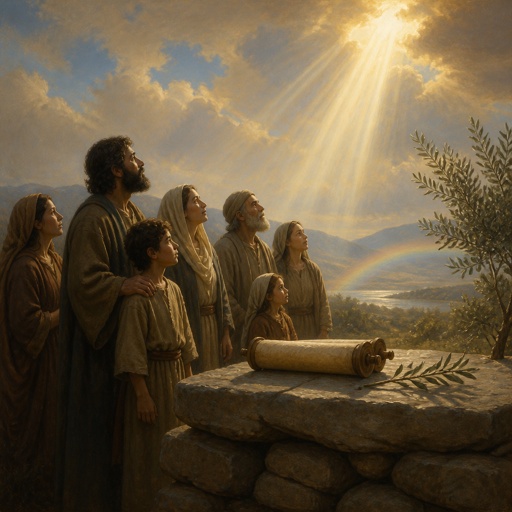
"Wherein God, willing more abundantly to shew unto the heirs of promise the immutability of his counsel, confirmed it by an oath:" - Hebrews 6:17

Hebrews 6:1

Hebrews 10:17 - "And their sins and iniquities will I remember no more."

Hebrews 6:1

John 19:17-18 - "And he bearing his cross went forth into a place called the place of a skull, which is called in the Hebrew Golgotha: Where they crucified him, and two other with him, on either side one, and Jesus in the midst."

Hebrews 10:18 - "Now where remission of these is, there is no more offering for sin."

Hebrews 11:18 - "Of whom it was said, That in Isaac shall thy seed be called:"

Hebrews 9:18 - "Whereupon neither the first testament was dedicated without blood."

Hebrews 7:17 - "For he testifieth, Thou art a priest for ever after the order of Melchisedec."

Hebrews 6:3 - "And this will we do, if God permit."

Hebrews 7:18 - "For there is verily a disannulling of the commandment going before for the weakness and unprofitableness thereof."

Hebrews 3:18 - "And to whom sware he that they should not enter into his rest, but to them that believed not?"

Hebrews 9:17 - "For a testament is of force after men are dead: otherwise it is of no strength at all while the testator liveth."

Hebrews 2:18 - "For in that he himself hath suffered being tempted, he is able to succour them that are tempted."
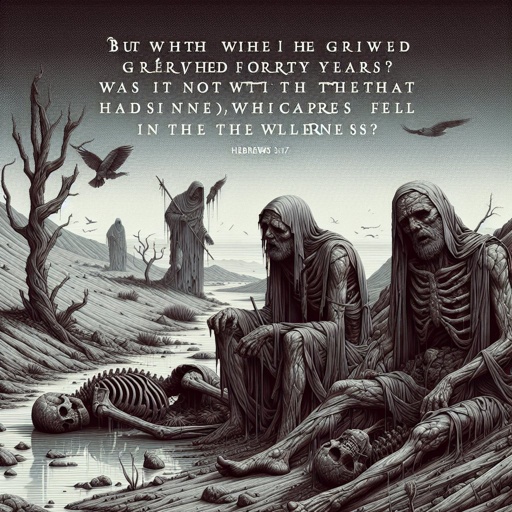
Hebrews 3:17 - "But with whom was he grieved forty years? was it not with them that had sinned, whose carcases fell in the wilderness?"

Hebrews 6:2 - "Of the doctrine of baptisms, and of laying on of hands, and of resurrection of the dead, and of eternal judgment."

Hebrews 6:5 - "And have tasted the good word of God, and the powers of the world to come,"

Hebrews 10:6 - "In burnt offerings and sacrifices for sin thou hast had no pleasure."

Matthew 17:17-18

"And their sins and iniquities will I remember no more." - Hebrews 10:17

Matthew 17:17-18

Hebrews 12:18 - "For ye are not come unto the mount that might be touched, and that burned with fire, nor unto blackness, and darkness, and tempest,"

Hebrews 13:18 - "Pray for us: for we trust we have a good conscience, in all things willing to live honestly."