What does Hebrews 6:20 mean?
“Whither the forerunner is for us entered, even Jesus, made an high priest for ever after the order of Melchisedec.” — Hebrews 6:20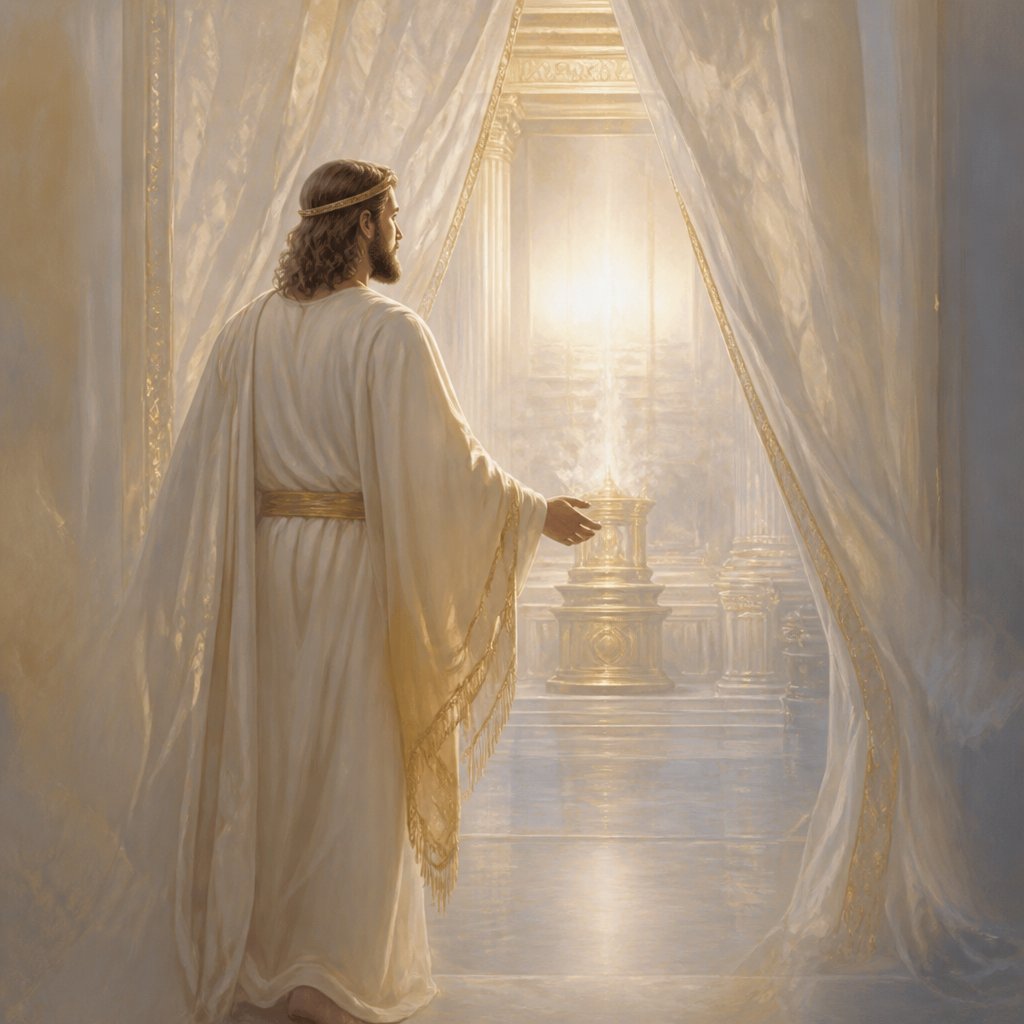
Hebrews 6:20 (KJV) says, "Whither the forerunner is for us entered, even Jesus, made an high priest for ever after the order of Melchisedec." This verse carries with it deep theological significance and offers insight into the redemptive work of Jesus Christ and his role as our eternal high priest.
The book of Hebrews was written to a Jewish audience, likely Jewish Christians, who were facing persecution and temptation to return to Judaism. The author of Hebrews exhorts them to hold fast to their faith in Christ and emphasizes the superiority of Jesus Christ as the high priest. This verse is the culmination of a complex theological argument, where the author demonstrates that Jesus is the ultimate high priest and mediator between God and humanity.
The term "forerunner" used in this verse refers to Jesus Christ, who has entered into the heavenly sanctuary on our behalf. The imagery of a forerunner was familiar to the Jewish audience, as it referred to a harbinger or precursor who goes before others to secure their future. In this context, Jesus is the forerunner who has gone before us into the presence of God, paving the way for our reconciliation and redemption.
The title "high priest" was significant in the Jewish faith, as the high priest served as the mediator between God and the people, making atonement for their sins through sacrifices and offerings. The author of Hebrews affirms that Jesus has been made a high priest forever, indicating his eternal and unchanging role in interceding for believers.
The mention of the "order of Melchisedec" is a reference to the mysterious figure of Melchizedek, who appears in the book of Genesis and is also referenced in Psalm 110 and later in the book of Hebrews. Melchizedek was a priest-king who blessed Abraham and received tithes from him, and he is portrayed as a type or foreshadowing of Christ. The author of Hebrews draws on this enigmatic figure to emphasize the eternal and unchanging nature of Christ's priesthood, which is not based on the Levitical system but on a higher and more ancient order.
The themes present in this verse include the priesthood of Christ, his atoning work, his eternal and unchanging nature, and his role as the mediator between God and humanity. It underscores the unique and superior position of Jesus as our high priest, who has entered into the heavenly sanctuary to intercede for us and secure our eternal salvation.
The context of Hebrews 6:20 is within a larger discussion on the priesthood of Christ and the superiority of his sacrificial work. The author contrasts the temporary and imperfect nature of the Levitical priesthood with the permanent and perfect priesthood of Jesus Christ. He argues that Christ's atoning work is once and for all, and his intercession on behalf of believers is eternal and unchanging.
In terms of symbolism, the imagery of Jesus as the forerunner and high priest points to his redemptive work on behalf of humanity. His entrance into the heavenly sanctuary signifies his victory over sin and death, and his role as the eternal high priest brings hope and assurance to believers. The reference to the order of Melchizedek symbolizes the preeminence and uniqueness of Christ's priesthood, which transcends earthly limitations and is based on the unchangeable character of God.
In conclusion, Hebrews 6:20 captures the essence of Christ's priesthood and his role as the ultimate mediator between God and humanity. It highlights the eternal and unchanging nature of his redemptive work, emphasizing his superiority over the earthly priesthood and offering believers the assurance of their salvation. This verse is a profound declaration of the sufficiency and permanence of Christ's atonement, inviting believers to place their trust in him as their eternal high priest.
Get our apps


Artwork for Hebrews 6:20

Hebrews 6:20 - "Whither the forerunner is for us entered, even Jesus, made an high priest for ever after the order of Melchisedec."
"Whither the forerunner is for us entered, even Jesus, made an high priest for ever after the order of Melchisedec." - Hebrews 6:20

Hebrews 10:20

Hebrews 6:1

Hebrews 6:19-20 - "We have this hope as an anchor for the soul, firm and secure. It enters the inner sanctuary behind the curtain, where our forerunner, Jesus, has entered on our behalf. He has become a high priest forever, in the order of Melchizedek."

Hebrews 6:1

Hebrews 7:20 - "And inasmuch as not without an oath he was made priest:"

hebrew 13:20

Hebrews 11:20 - "By faith Isaac blessed Jacob and Esau concerning things to come."

Hebrews 6:3 - "And this will we do, if God permit."

Hebrews 9:20 - "Saying, This is the blood of the testament which God hath enjoined unto you."

Hebrews 6:2 - "Of the doctrine of baptisms, and of laying on of hands, and of resurrection of the dead, and of eternal judgment."

Hebrews 6:5 - "And have tasted the good word of God, and the powers of the world to come,"

Hebrews 10:6 - "In burnt offerings and sacrifices for sin thou hast had no pleasure."

Hebrews 10:20 - "By a new and living way, which he hath consecrated for us, through the veil, that is to say, his flesh;"

"And this will we do, if God permit." - Hebrews 6:3
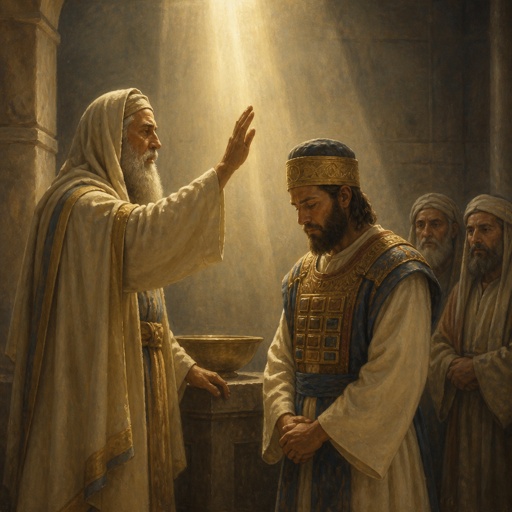
"And inasmuch as not without an oath he was made priest:" - Hebrews 7:20

Hebrews 6:15 - "And so, after he had patiently endured, he obtained the promise."

Hebrews 12:20 - "(For they could not endure that which was commanded, And if so much as a beast touch the mountain, it shall be stoned, or thrust through with a dart:"

Hebrews 6:6 - "If they shall fall away, to renew them again unto repentance; seeing they crucify to themselves the Son of God afresh, and put him to an open shame."

Hebrews 12:6 - "For whom the Lord loveth he chasteneth, and scourgeth every son whom he receiveth."

Hebrews 6:8 - "But that which beareth thorns and briers is rejected, and is nigh unto cursing; whose end is to be burned."

Hebrews 6:12 - "That ye be not slothful, but followers of them who through faith and patience inherit the promises."

Hebrews 6:14 - "Saying, Surely blessing I will bless thee, and multiplying I will multiply thee."

Hebrews 6:16 - "For men verily swear by the greater: and an oath for confirmation is to them an end of all strife."

Hebrews 13:20 - "Now the God of peace, that brought again from the dead our Lord Jesus, that great shepherd of the sheep, through the blood of the everlasting covenant,"

Hebrews 6:9 - "But, beloved, we are persuaded better things of you, and things that accompany salvation, though we thus speak."

Hebrews 6:13 - "For when God made promise to Abraham, because he could swear by no greater, he sware by himself,"

Hebrews 5:6 - "As he saith also in another place, Thou art a priest for ever after the order of Melchisedec."
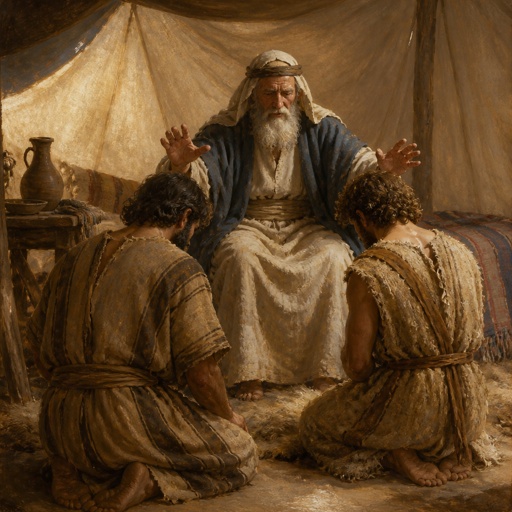
"By faith Isaac blessed Jacob and Esau concerning things to come." - Hebrews 11:20