What does Hebrews 7:28 mean?
"For the law maketh men high priests which have infirmity; but the word of the oath, which was since the law, maketh the Son, who is consecrated for evermore." - Hebrews 7:28
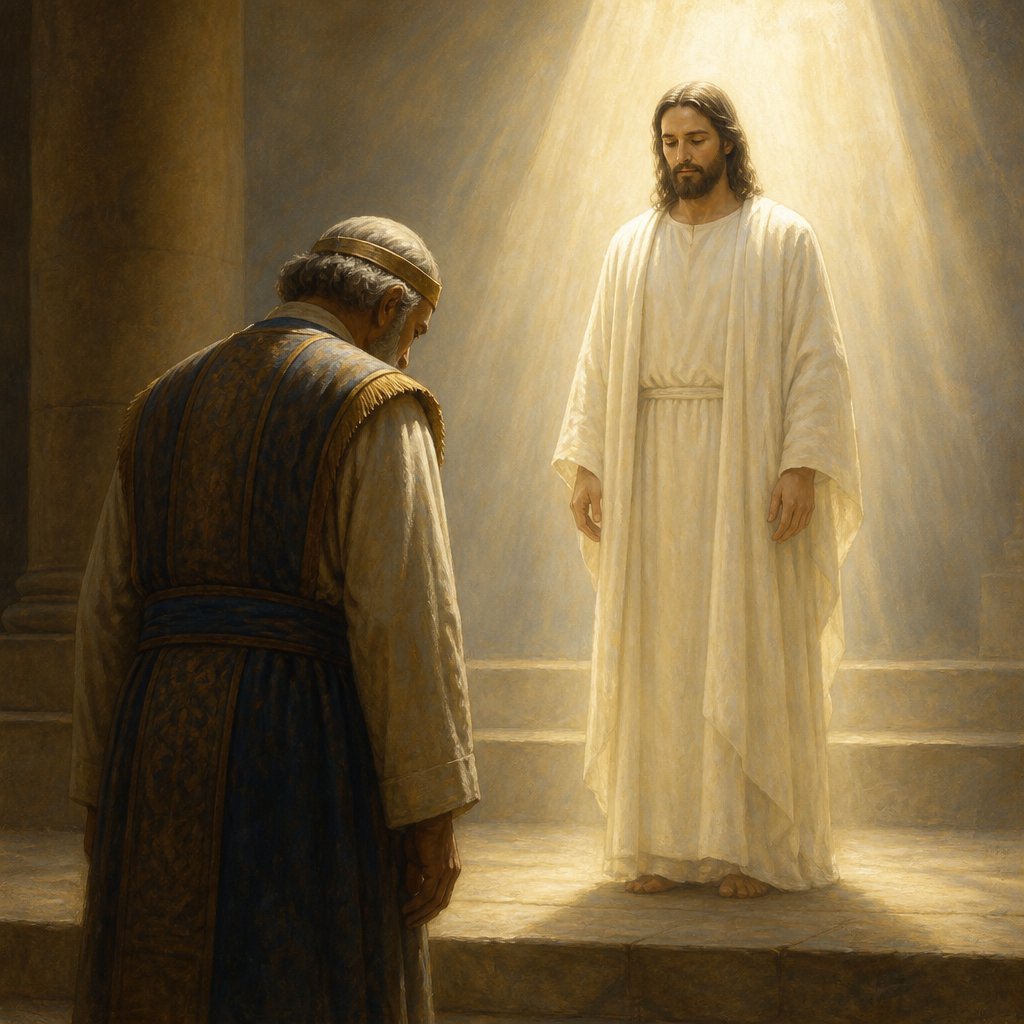
Hebrews 7:28 in the King James Version of the Bible reads, "For the law maketh men high priests which have infirmity; but the word of the oath, which was since the law, maketh the Son, who is consecrated for evermore." This verse is found in the New Testament book of Hebrews, which is traditionally attributed to the apostle Paul. The book of Hebrews was written to Jewish Christians who were struggling with persecution and the temptation to turn away from their faith. This particular verse is part of a larger discussion in the book of Hebrews about the priesthood of Jesus Christ and how it surpasses the old Levitical priesthood.
The theme of this verse centers on the superiority of Christ's priesthood compared to the Levitical priesthood established under the Old Testament law. The author of Hebrews is making the case that Jesus, as the Son of God, is the ultimate and eternal high priest who is able to fully represent and intercede for humanity before God. In contrast, the Levitical priests were imperfect and subject to weakness and sin, and therefore unable to offer a perfect and permanent solution for the forgiveness of sins.
The context of Hebrews 7:28 is important for understanding its meaning. Throughout the preceding chapters, the author of Hebrews has been drawing a comparison between Jesus and the Old Testament figures, particularly the high priests of Israel. He has highlighted how Jesus fulfills and exceeds the role of the high priest, offering a perfect and once-for-all sacrifice for sin. The author also contrasts the temporary nature of the Levitical priesthood with the eternal and unchangeable priesthood of Christ.
The phrase "the law maketh men high priests which have infirmity" refers to the fact that under the Old Covenant, the high priests were chosen from among men who were subject to human weakness and sin. The author is emphasizing the limitations of human priests in representing a holy and perfect God and providing an eternal solution for sin. However, "the word of the oath" refers to the promise and declaration of God, which establishes Jesus as the eternal and perfect high priest. Unlike the Levitical priests, Jesus is consecrated forevermore, indicating his eternal and unchanging role as the mediator between God and humanity.
Symbolism plays a significant role in Hebrews 7:28. The contrast between the imperfect, mortal, and temporary high priests of the Old Testament and the perfect, immortal, and eternal high priest in Jesus Christ is a central theme. Jesus is presented as the ultimate fulfillment of the Old Testament priesthood, the perfect sacrifice for sins, and the only means of access to God. This symbolism illustrates the superiority of Christ's priesthood and his unique ability to offer salvation and intercede for believers.
In conclusion, Hebrews 7:28 in the King James Version of the Bible provides a profound and insightful commentary on the priesthood of Jesus Christ. It emphasizes the superiority of Christ's priesthood over the Levitical priesthood of the Old Testament, highlighting his perfection, eternity, and ability to fully represent and intercede for humanity before God. The verse serves as a powerful reminder of the unique and unparalleled role of Jesus as the ultimate high priest, offering salvation and access to God for all who believe in him.
Have questions about Hebrews 7:28?
Dive deeper into this scripture with Bible Chat — an AI-powered tool for exploring God's Word through conversation. Ask questions, get context, and grow in your understanding of the Bible.
Get Our Apps


Hebrews 7:28 Artwork
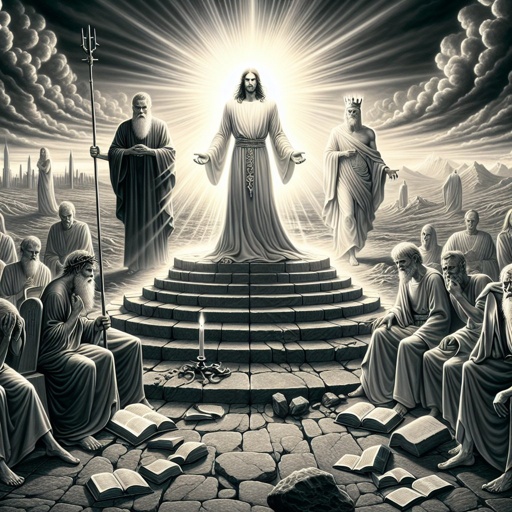
Hebrews 7:28 - "For the law maketh men high priests which have infirmity; but the word of the oath, which was since the law, maketh the Son, who is consecrated for evermore."
"For the law maketh men high priests which have infirmity; but the word of the oath, which was since the law, maketh the Son, who is consecrated for evermore." - Hebrews 7:28

Hebrews 7:7 - "And without all contradiction the less is blessed of the better."

Hebrews 10:28 - "He that despised Moses' law died without mercy under two or three witnesses:"

Hebrews 11:28 - "Through faith he kept the passover, and the sprinkling of blood, lest he that destroyed the firstborn should touch them."

Hebrews 7:20 - "And inasmuch as not without an oath he was made priest:"

"And without all contradiction the less is blessed of the better." - Hebrews 7:7
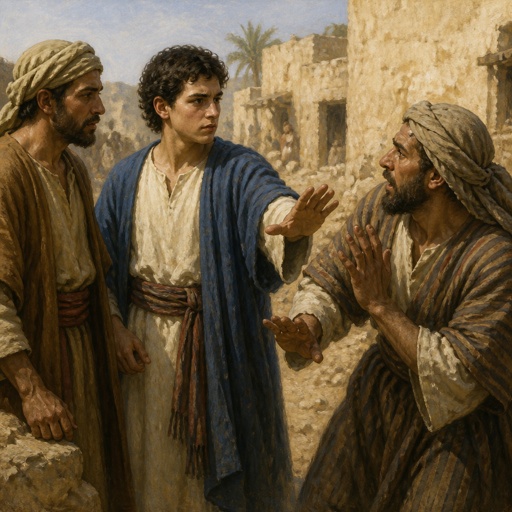
"Wilt thou kill me, as thou diddest the Egyptian yesterday?" - Acts 7:28

Hebrews 7:22 - "By so much was Jesus made a surety of a better testament."

Hebrews 7:12 - "For the priesthood being changed, there is made of necessity a change also of the law."

Hebrews 7:24 - "But this man, because he continueth ever, hath an unchangeable priesthood."

Hebrews 7:18 - "For there is verily a disannulling of the commandment going before for the weakness and unprofitableness thereof."

Hebrews 7:17 - "For he testifieth, Thou art a priest for ever after the order of Melchisedec."

Hebrews 7:10 - "For he was yet in the loins of his father, when Melchisedec met him."

Hebrews 7:16 - "Who is made, not after the law of a carnal commandment, but after the power of an endless life."
Hebrews 3:7 - "Wherefore (as the Holy Ghost saith, To day if ye will hear his voice,"
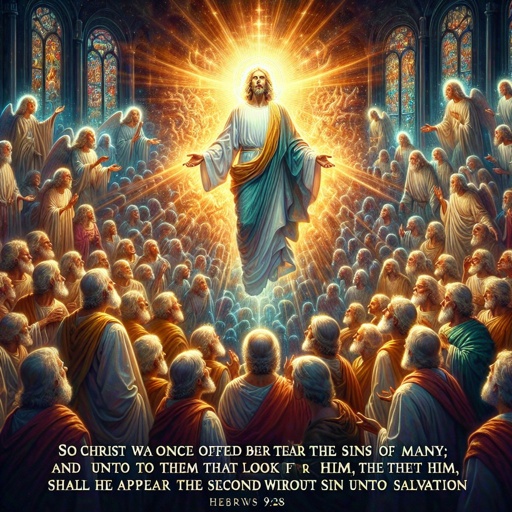
Hebrews 9:28 - "So Christ was once offered to bear the sins of many; and unto them that look for him shall he appear the second time without sin unto salvation."

Hebrews 12:28 - "Wherefore we receiving a kingdom which cannot be moved, let us have grace, whereby we may serve God acceptably with reverence and godly fear:"

Hebrews 8:7 - "For if that first covenant had been faultless, then should no place have been sought for the second."

Hebrews 7:15 - "And it is yet far more evident: for that after the similitude of Melchisedec there ariseth another priest,"
Hebrews 7:23 - "And they truly were many priests, because they were not suffered to continue by reason of death:"

Hebrews 7:8 - "And here men that die receive tithes; but there he receiveth them, of whom it is witnessed that he liveth."

Hebrews 1:7 - "And of the angels he saith, Who maketh his angels spirits, and his ministers a flame of fire."

Hebrews 10:7 - "Then said I, Lo, I come (in the volume of the book it is written of me,) to do thy will, O God."

Hebrews 7:14 - "For it is evident that our Lord sprang out of Juda; of which tribe Moses spake nothing concerning priesthood."

Hebrews 7:13 - "For he of whom these things are spoken pertaineth to another tribe, of which no man gave attendance at the altar."

Hebrews 7:9 - "And as I may so say, Levi also, who receiveth tithes, payed tithes in Abraham."
"He that despised Moses' law died without mercy under two or three witnesses:" - Hebrews 10:28

Hebrews 7:17 - "For he testifieth, Thou art a priest for ever after the order of Melchisedec."
Hebrews 7:17 - "For he testifieth, Thou art a priest for ever after the order of Melchisedec."