What does Hebrews 7:19 mean?
“For the law made nothing perfect, but the bringing in of a better hope did; by the which we draw nigh unto God.” — Hebrews 7:19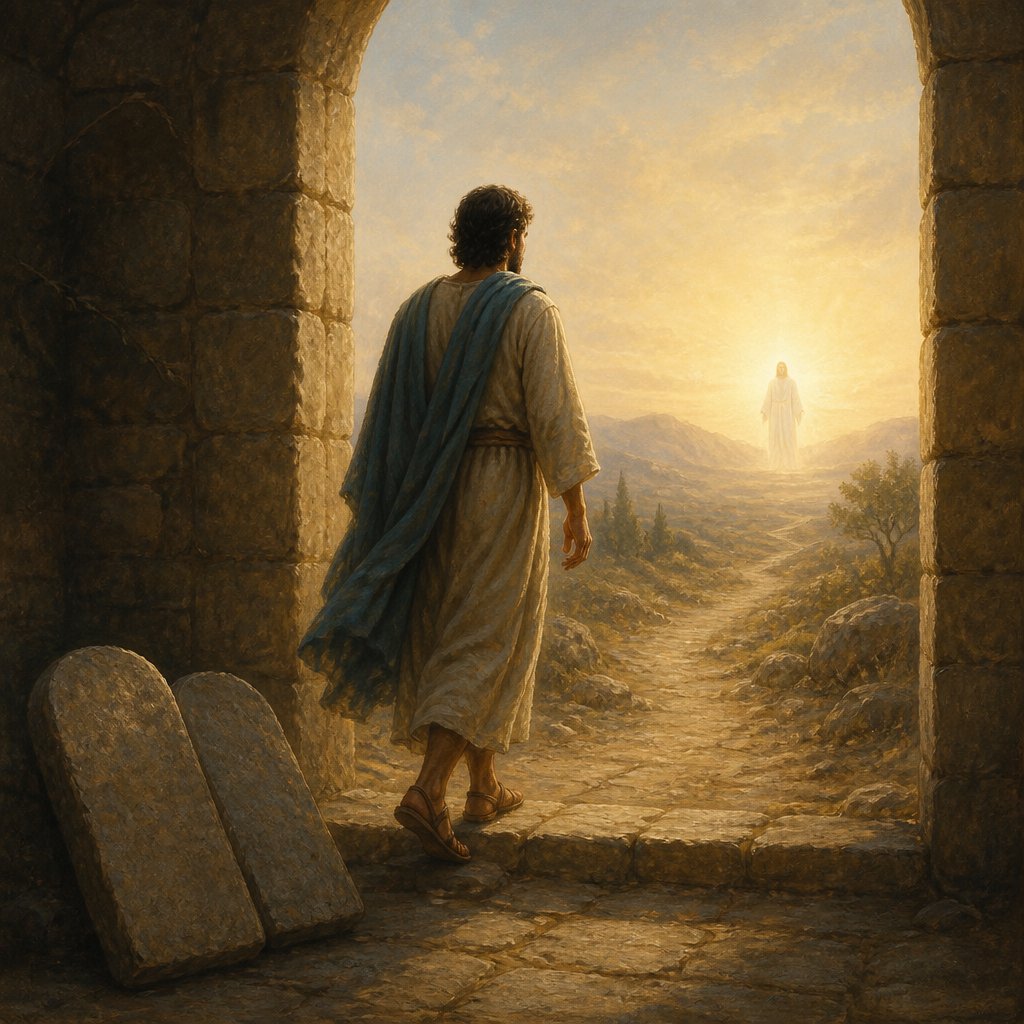
Hebrews 7:19 in the King James Version of the Bible reads, "For the law made nothing perfect, but the bringing in of a better hope did; by the which we draw nigh unto God." This verse comes from the book of Hebrews, which is part of the New Testament and is traditionally believed to have been written by the apostle Paul. This particular verse is found in a passage that discusses the superiority of Jesus Christ's priesthood over the Levitical priesthood.
The verse begins with the statement, "For the law made nothing perfect." Here, "the law" refers to the Mosaic law, which is the law given to the Israelites through Moses, comprising the Ten Commandments and the various regulations and statutes found in the Old Testament. The Mosaic law served as a standard for righteousness and holiness and was administered by the Levitical priesthood. However, the author of Hebrews highlights the limitations of the law, stating that it "made nothing perfect." This means that the law was unable to fully bring about righteousness or spiritual perfection in those who sought to follow it. In fact, the Apostle Paul also discusses the inability of the law to save or make people righteous in his letters to the Romans and Galatians.
The next part of the verse states, "but the bringing in of a better hope did." This "better hope" refers to the promise of salvation and righteousness through faith in Jesus Christ. The author of Hebrews contrasts the shortcomings of the Mosaic law with the hope and perfection that come through the person and work of Jesus Christ. In Christ, believers find a better hope that brings about true spiritual transformation and draws them near to God. This emphasizes the idea that the law served a purpose in pointing toward the need for a savior and the inadequacy of human effort to achieve righteousness on their own.
The verse concludes with the statement, "by the which we draw nigh unto God." Through the better hope found in Jesus Christ, believers are able to draw near to God in a way that was not possible under the Mosaic law. This highlights the access to God that believers have through faith in Christ and the reconciled relationship with God that is made possible through Christ's atoning sacrifice.
In a broader context, the book of Hebrews addresses the superiority of Christ and His redemptive work compared to the institutions of the Old Testament, including the Levitical priesthood and the Mosaic law. The author emphasizes how Jesus fulfills and surpasses the Old Testament types and shadows, serving as the ultimate high priest who offers a perfect and eternal sacrifice for sin.
The themes present in Hebrews 7:19 include the limitations of the law, the superiority of Christ, the fulfillment of Old Testament prophecies and types in Jesus, and the new hope and access to God that believers have through faith in Christ.
Symbolically, the verse illustrates the contrast between the inadequacy of human efforts to achieve righteousness through the law and the sufficiency of Christ's sacrifice to bring about true spiritual transformation and draw believers near to God. The "better hope" found in Christ serves as a symbol of the new covenant and the fulfillment of God's redemptive plan for humanity.
In conclusion, Hebrews 7:19 underscores the insufficiency of the Mosaic law in providing righteousness and access to God, and the surpassing hope and nearness to God that believers find in Jesus Christ. This verse encapsulates the central message of the book of Hebrews, emphasizing the superiority of Christ's priesthood and the efficacy of His sacrifice in bringing about the ultimate hope and reconciliation with God.
Get our apps


Artwork for Hebrews 7:19

Hebrews 7:19 - "For the law made nothing perfect, but the bringing in of a better hope did; by the which we draw nigh unto God."
"For the law made nothing perfect, but the bringing in of a better hope did; by the which we draw nigh unto God." - Hebrews 7:19

Hebrews 7:7 - "And without all contradiction the less is blessed of the better."

Hebrews 3:19 - "So we see that they could not enter in because of unbelief."

Hebrews 10:19 - "Having therefore, brethren, boldness to enter into the holiest by the blood of Jesus,"

Hebrews 13:19 - "But I beseech you the rather to do this, that I may be restored to you the sooner."

Hebrews 7:20 - "And inasmuch as not without an oath he was made priest:"

"And without all contradiction the less is blessed of the better." - Hebrews 7:7

Hebrews 7:12 - "For the priesthood being changed, there is made of necessity a change also of the law."

Hebrews 7:24 - "But this man, because he continueth ever, hath an unchangeable priesthood."

Hebrews 7:22 - "By so much was Jesus made a surety of a better testament."

Hebrews 7:17 - "For he testifieth, Thou art a priest for ever after the order of Melchisedec."

Hebrews 7:10 - "For he was yet in the loins of his father, when Melchisedec met him."

Hebrews 7:18 - "For there is verily a disannulling of the commandment going before for the weakness and unprofitableness thereof."

Hebrews 6:19 - "Which hope we have as an anchor of the soul, both sure and stedfast, and which entereth into that within the veil;"

Hebrews 12:19 - "And the sound of a trumpet, and the voice of words; which voice they that heard intreated that the word should not be spoken to them any more:"

Hebrews 7:16 - "Who is made, not after the law of a carnal commandment, but after the power of an endless life."
Hebrews 3:7 - "Wherefore (as the Holy Ghost saith, To day if ye will hear his voice,"

Hebrews 8:7 - "For if that first covenant had been faultless, then should no place have been sought for the second."

Hebrews 7:15 - "And it is yet far more evident: for that after the similitude of Melchisedec there ariseth another priest,"
Hebrews 7:23 - "And they truly were many priests, because they were not suffered to continue by reason of death:"

Hebrews 7:8 - "And here men that die receive tithes; but there he receiveth them, of whom it is witnessed that he liveth."

1 Samuel 13:19 - "¶ Now there was no smith found throughout all the land of Israel: for the Philistines said, Lest the Hebrews make them swords or spears:"
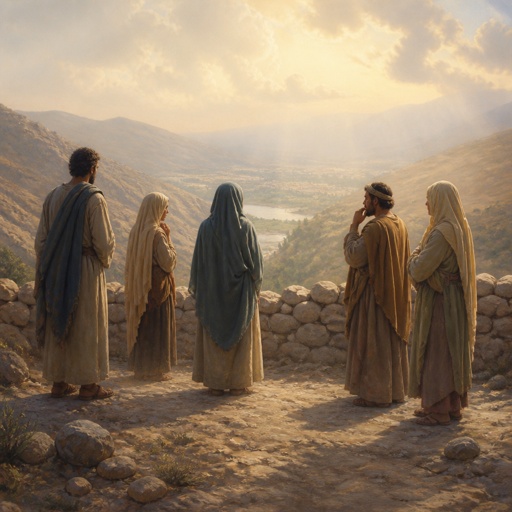
"So we see that they could not enter in because of unbelief." - Hebrews 3:19

Hebrews 1:7 - "And of the angels he saith, Who maketh his angels spirits, and his ministers a flame of fire."

Hebrews 11:19 - "Accounting that God was able to raise him up, even from the dead; from whence also he received him in a figure."
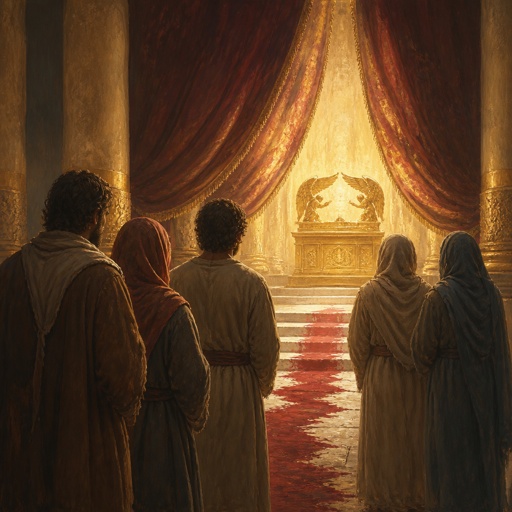
"Having therefore, brethren, boldness to enter into the holiest by the blood of Jesus," - Hebrews 10:19

Hebrews 10:7 - "Then said I, Lo, I come (in the volume of the book it is written of me,) to do thy will, O God."

Hebrews 7:14 - "For it is evident that our Lord sprang out of Juda; of which tribe Moses spake nothing concerning priesthood."

Hebrews 7:13 - "For he of whom these things are spoken pertaineth to another tribe, of which no man gave attendance at the altar."