What does Hebrews 7:2 mean?
“To whom also Abraham gave a tenth part of all; first being by interpretation King of righteousness, and after that also King of Salem, which is, King of peace;” — Hebrews 7:2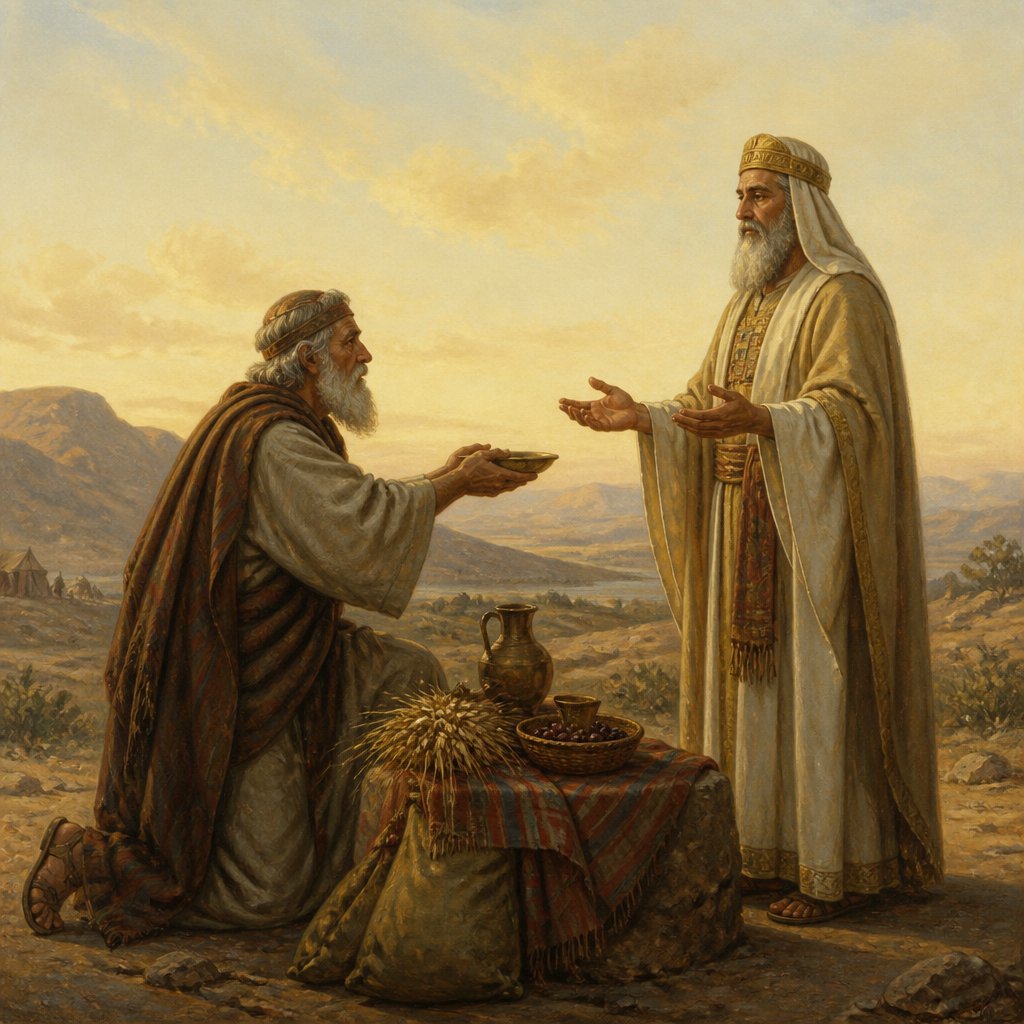
Hebrews 7:2 in the King James Version reads: "To whom also Abraham gave a tenth part of all; first being by interpretation King of righteousness, and after that also King of Salem, which is, King of peace."
This verse is part of a larger passage in the Book of Hebrews that discusses the priesthood of Melchizedek. In this passage, the author of Hebrews draws parallels between the mysterious figure of Melchizedek and Jesus Christ, highlighting the superiority of Christ's priesthood over the Levitical priesthood. The verse emphasizes the significance of Melchizedek, particularly in his roles as "King of righteousness" and "King of peace."
First, we must consider the historical and cultural context in which Melchizedek is mentioned in the Bible. In the Book of Genesis, Melchizedek is described as the king of Salem and a priest of the "Most High God." He is portrayed as a figure of great importance and authority, who blesses Abraham and receives a tithe from him. The Genesis account of Melchizedek is enigmatic and leaves many questions unanswered, which has led to various interpretations and speculations about his identity and significance.
The author of Hebrews draws on the enigmatic nature of Melchizedek and uses it to make a theological point about the superiority of Christ's priesthood. By highlighting Melchizedek's titles as "King of righteousness" and "King of peace," the author emphasizes the qualities of this mysterious figure that find their ultimate fulfillment in Jesus Christ. These titles serve as symbols of the righteousness and peace that Jesus brings through his sacrificial death and resurrection, contrasting with the limitations of the Levitical priesthood.
The theme of righteousness is a central theme in the Bible, and it is closely related to the concept of justice, integrity, and moral uprightness. Throughout the Old Testament, God's righteousness is highlighted as an essential aspect of his character, and the righteousness of his people is emphasized as a prerequisite for a right relationship with him. In the New Testament, the concept of righteousness is further developed in relation to the person and work of Jesus Christ, who is presented as the embodiment of God's righteousness and the source of righteousness for believers.
Similarly, the theme of peace is also significant in the Bible, representing not only the absence of conflict but also the presence of wholeness, harmony, and prosperity. In the Old Testament, peace is viewed as a blessing from God, and it is often associated with the establishment of God's kingdom and the fulfillment of his promises. In the New Testament, Jesus is presented as the bringer of peace, reconciling humanity to God through his atoning sacrifice and establishing a new covenant of peace.
The symbolism of Melchizedek as the "King of righteousness" and "King of peace" points to the ultimate fulfillment of these qualities in Jesus Christ. As the perfect and eternal High Priest, Jesus embodies the righteousness and peace that surpasses the limitations of the Levitical priesthood. Through his atoning sacrifice, Jesus brings about reconciliation with God and establishes a new covenant of peace for all who believe in him.
In conclusion, Hebrews 7:2 highlights the significance of Melchizedek as the "King of righteousness" and "King of peace," drawing parallels between his priestly role and the redemptive work of Jesus Christ. By emphasizing these qualities, the verse underscores the superiority of Christ's priesthood and the fulfillment of God's promises in him. The themes of righteousness and peace are central to the passage, pointing to the redemptive and reconciliatory work of Jesus as the ultimate fulfillment of God's plan for humanity.
Get our apps


Artwork for Hebrews 7:2

Hebrews 7:2 - "To whom also Abraham gave a tenth part of all; first being by interpretation King of righteousness, and after that also King of Salem, which is, King of peace;"
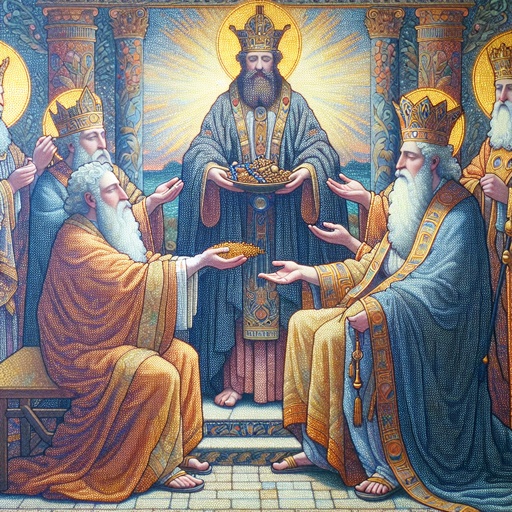
Hebrews 7:2 (KJV) 2 To whom also Abraham gave a tenth part of all; first being by interpretation King of righteousness, and after that also King of Salem, which is, King of peace;
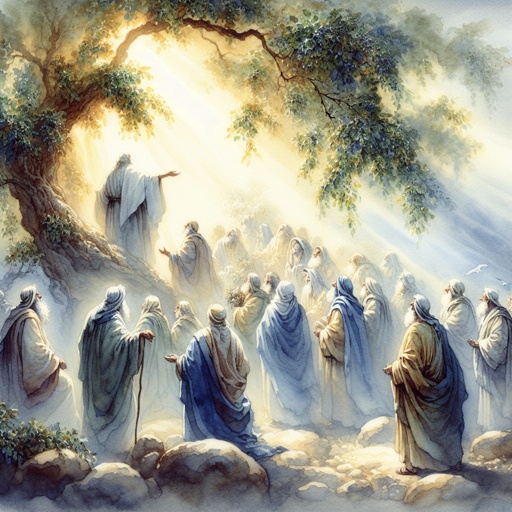
Hebrews 7:2 (KJV) 2 To whom also Abraham gave a tenth part of all; first being by interpretation King of righteousness, and after that also King of Salem, which is, King of peace;
"To whom also Abraham gave a tenth part of all; first being by interpretation King of righteousness, and after that also King of Salem, which is, King of peace;" - Hebrews 7:2

Hebrews 2:7 - "Thou madest him a little lower than the angels; thou crownedst him with glory and honour, and didst set him over the works of thy hands:"

Hebrews 7:7 - "And without all contradiction the less is blessed of the better."
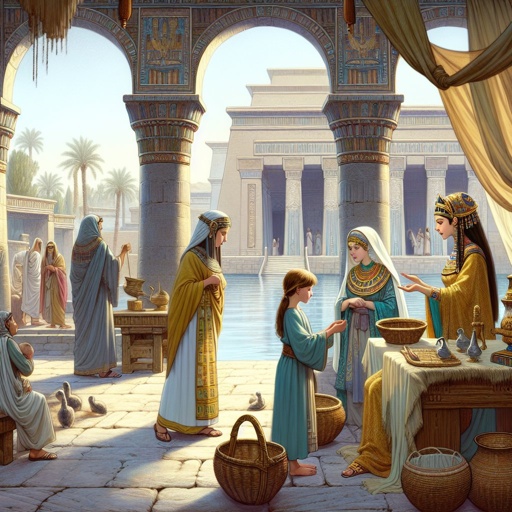
Exodus 2:7 - "Then said his sister to Pharaoh's daughter, Shall I go and call to thee a nurse of the Hebrew women, that she may nurse the child for thee?"

Hebrews 7:20 - "And inasmuch as not without an oath he was made priest:"

"And without all contradiction the less is blessed of the better." - Hebrews 7:7

Hebrews 7:12 - "For the priesthood being changed, there is made of necessity a change also of the law."

Hebrews 7:24 - "But this man, because he continueth ever, hath an unchangeable priesthood."

Hebrews 7:22 - "By so much was Jesus made a surety of a better testament."

Hebrews 7:17 - "For he testifieth, Thou art a priest for ever after the order of Melchisedec."

Hebrews 7:10 - "For he was yet in the loins of his father, when Melchisedec met him."

Hebrews 7:18 - "For there is verily a disannulling of the commandment going before for the weakness and unprofitableness thereof."

Hebrews 7:16 - "Who is made, not after the law of a carnal commandment, but after the power of an endless life."
Hebrews 3:7 - "Wherefore (as the Holy Ghost saith, To day if ye will hear his voice,"

Hebrews 8:7 - "For if that first covenant had been faultless, then should no place have been sought for the second."

Hebrews 7:15 - "And it is yet far more evident: for that after the similitude of Melchisedec there ariseth another priest,"
Hebrews 7:23 - "And they truly were many priests, because they were not suffered to continue by reason of death:"

Hebrews 7:8 - "And here men that die receive tithes; but there he receiveth them, of whom it is witnessed that he liveth."

Hebrews 1:7 - "And of the angels he saith, Who maketh his angels spirits, and his ministers a flame of fire."

Hebrews 7:1-2 - "For this Melchizedek, king of Salem, priest of the Most High God, met Abraham returning from the slaughter of the kings and blessed him, and to him Abraham apportioned a tenth part of everything. He is first, by translation of his name, king of righteousness, and then he is also king of Salem, that is, king of peace."

Hebrews 10:7 - "Then said I, Lo, I come (in the volume of the book it is written of me,) to do thy will, O God."

Hebrews 7:14 - "For it is evident that our Lord sprang out of Juda; of which tribe Moses spake nothing concerning priesthood."

Hebrews 7:13 - "For he of whom these things are spoken pertaineth to another tribe, of which no man gave attendance at the altar."

Hebrews 7:9 - "And as I may so say, Levi also, who receiveth tithes, payed tithes in Abraham."

Hebrews 11:2 - "For by it the elders obtained a good report."

Exodus 2: 7 Miriam asked Pharaoh's daughter whether she could go and get a hebrew nurse with river, pyramids in background. Maids looking on

Hebrews 2:2 - "For if the word spoken by angels was stedfast, and every transgression and disobedience received a just recompence of reward;"