What does Hebrews 8:7 mean?
“For if that first covenant had been faultless, then should no place have been sought for the second.” — Hebrews 8:7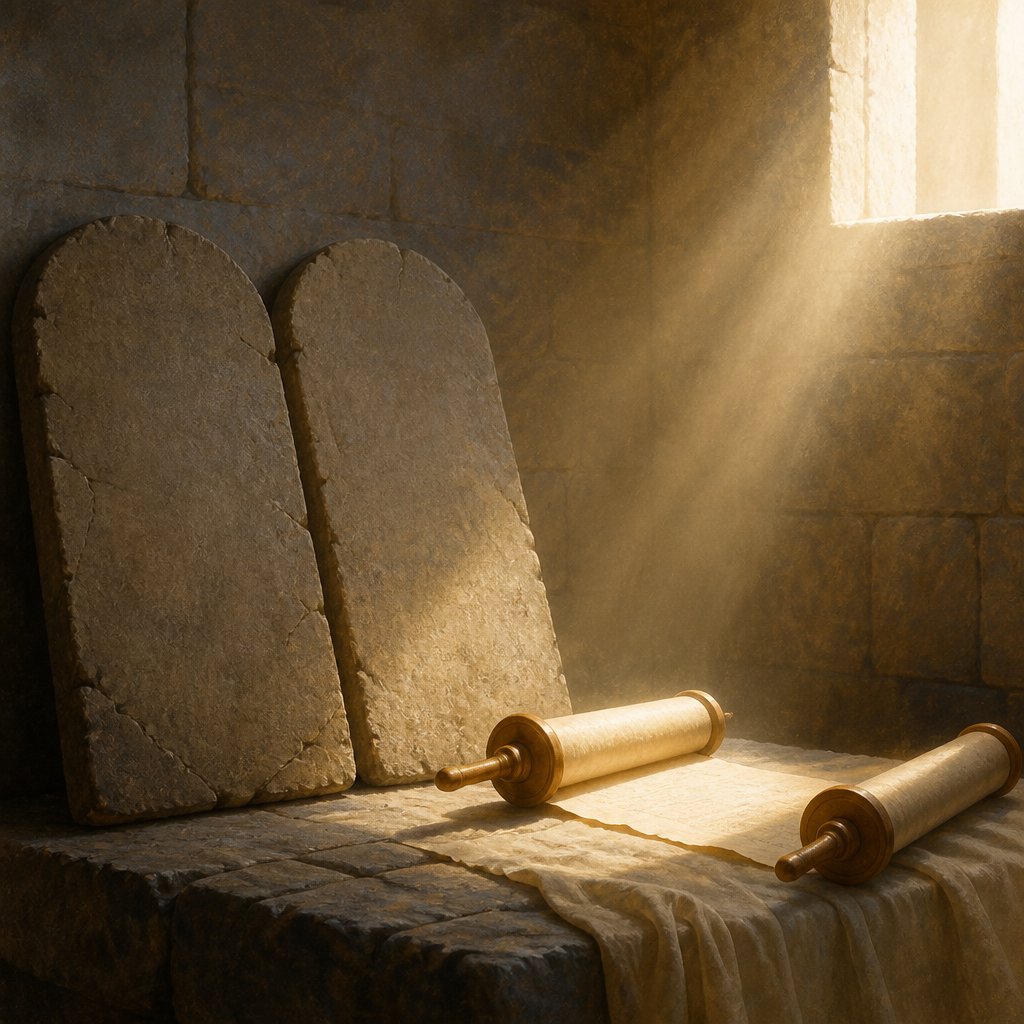
The book of Hebrews is believed to have been written by the apostle Paul, though the authorship remains uncertain. The letter was addressed to Jewish Christians who were facing persecution and were in danger of turning away from their faith. The author sought to encourage and strengthen them by reminding them of the supremacy of Christ and the new covenant he had established.
Hebrews 8:7 in the King James Version (KJV) states, "For if that first covenant had been faultless, then should no place have been sought for the second." This verse speaks to the inadequacy of the first covenant, which was the covenant made between God and the Israelites through Moses. The author is drawing a comparison between the old covenant and the new covenant established through Jesus Christ.
The themes present in this verse include the old covenant versus the new covenant, the superiority of Christ, and the faithfulness of God. The old covenant, which was based on the law given to Moses, was imperfect and had its shortcomings. It required constant sacrifices and offerings to atone for sin, but it could not ultimately redeem or save people from their sins. The new covenant, on the other hand, was established through the sacrifice of Jesus Christ and provided a way for forgiveness and reconciliation with God that was not possible under the old covenant.
The verse also highlights the unchanging nature of God. The fact that a second covenant was sought indicates that the first covenant was not faultless and could not fulfill God's ultimate plan for redemption. This does not mean that God made a mistake in establishing the first covenant, but rather it served as a temporary measure until the perfect solution could be provided through Jesus Christ.
The context of Hebrews 8:7 is important for understanding its significance. The author of Hebrews is addressing Jewish Christians who may have been tempted to return to the practices of the old covenant, particularly due to the persecution they were facing. The author emphasizes the superiority of Christ and the new covenant, urging the readers to remain steadfast in their faith and not turn back to the old ways.
In terms of symbolism, the first covenant represents the old way of approaching God through the law and sacrifices. It symbolizes the limitations and inadequacy of human efforts to reconcile with God and attain righteousness. The second covenant, established through Jesus Christ, symbolizes the new way of grace and redemption that is available to all who believe. It symbolizes the perfect sacrifice of Christ that makes forgiveness and reconciliation with God possible.
Overall, Hebrews 8:7 highlights the transition from the old covenant to the new covenant and the superiority of Christ in fulfilling God's plan for salvation. It serves as a reminder to Christians of the unchanging nature of God and the faithfulness of Christ in providing a way for us to be reconciled with God. The verse also serves as a call to remain firm in our faith and not to turn back to the old ways, but to embrace the new covenant established through Jesus Christ.
Get our apps


Artwork for Hebrews 8:7

Hebrews 8:7 - "For if that first covenant had been faultless, then should no place have been sought for the second."
"For if that first covenant had been faultless, then should no place have been sought for the second." - Hebrews 8:7

Hebrews 7:8 - "And here men that die receive tithes; but there he receiveth them, of whom it is witnessed that he liveth."

Hebrews 12:7-8 - "Endure hardship as discipline; God is treating you as his children. For what children are not disciplined by their father? If you are not disciplined - and everyone undergoes discipline - then you are not legitimate, not true sons and daughters at all."
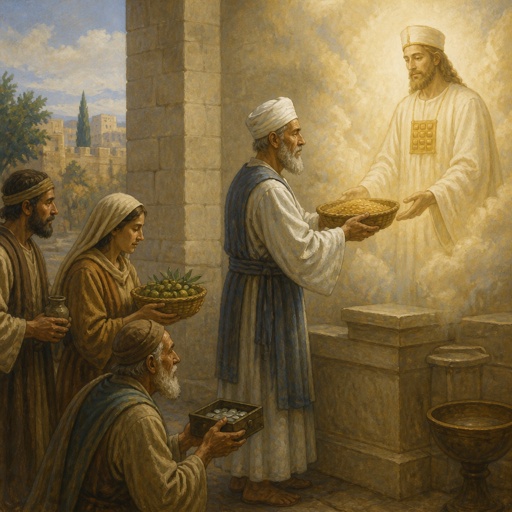
"And here men that die receive tithes; but there he receiveth them, of whom it is witnessed that he liveth." - Hebrews 7:8

Hebrews 12:8

Hebrews 8:5

Hebrews 7:7 - "And without all contradiction the less is blessed of the better."

Hebrews 8:1-5

Hebrews 13:8 - "Jesus Christ the same yesterday, and to day, and for ever."

Hebrews 3:8 - "Harden not your hearts, as in the provocation, in the day of temptation in the wilderness:"

Hebrews 7:20 - "And inasmuch as not without an oath he was made priest:"

"And without all contradiction the less is blessed of the better." - Hebrews 7:7

Hebrews 7:12 - "For the priesthood being changed, there is made of necessity a change also of the law."

Hebrews 7:24 - "But this man, because he continueth ever, hath an unchangeable priesthood."

Hebrews 7:22 - "By so much was Jesus made a surety of a better testament."

Hebrews 8:12 - "For I will be merciful to their unrighteousness, and their sins and their iniquities will I remember no more."

Hebrews 8:2 - "A minister of the sanctuary, and of the true tabernacle, which the Lord pitched, and not man."

Hebrews 7:17 - "For he testifieth, Thou art a priest for ever after the order of Melchisedec."

Hebrews 7:10 - "For he was yet in the loins of his father, when Melchisedec met him."

Hebrews 7:18 - "For there is verily a disannulling of the commandment going before for the weakness and unprofitableness thereof."

Hebrews 7:16 - "Who is made, not after the law of a carnal commandment, but after the power of an endless life."

Hebrews 3:7 - "Wherefore (as the Holy Ghost saith, To day if ye will hear his voice,"

Hebrews 6:8 - "But that which beareth thorns and briers is rejected, and is nigh unto cursing; whose end is to be burned."

Hebrews 8:8 - "For finding fault with them, he saith, Behold, the days come, saith the Lord, when I will make a new covenant with the house of Israel and with the house of Judah:"

Hebrews 8:4 - "For if he were on earth, he should not be a priest, seeing that there are priests that offer gifts according to the law:"

Hebrews 7:15 - "And it is yet far more evident: for that after the similitude of Melchisedec there ariseth another priest,"
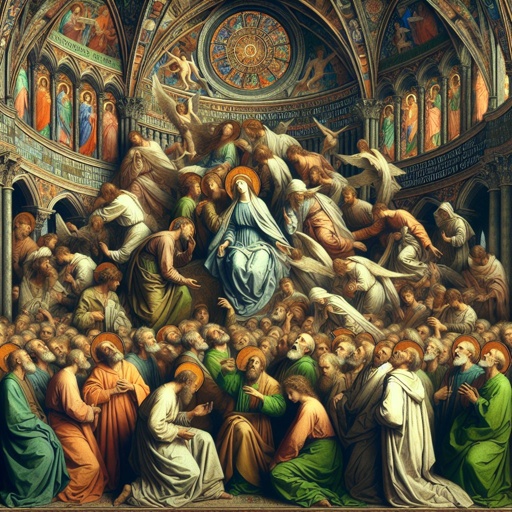
Hebrews 7:23 - "And they truly were many priests, because they were not suffered to continue by reason of death:"

Hebrews 1:7 - "And of the angels he saith, Who maketh his angels spirits, and his ministers a flame of fire."

"Jesus Christ the same yesterday, and to day, and for ever." - Hebrews 13:8