What does Hebrews 8:8 mean?
“For finding fault with them, he saith, Behold, the days come, saith the Lord, when I will make a new covenant with the house of Israel and with the house of Judah:” — Hebrews 8:8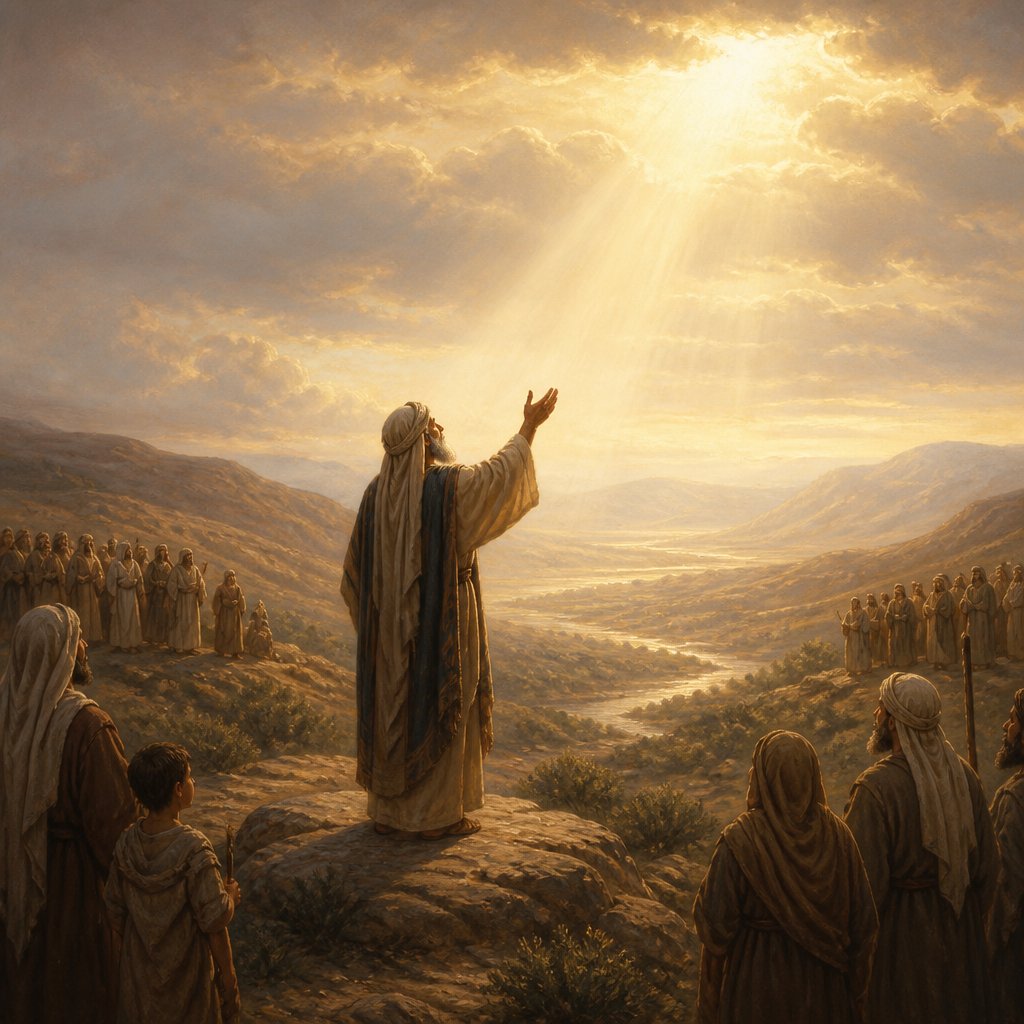
Hebrews 8:8 from the King James Version of the Bible states, "For finding fault with them, he saith, Behold, the days come, saith the Lord, when I will make a new covenant with the house of Israel and with the house of Judah." This verse is found in the New Testament, specifically in the book of Hebrews, which is widely believed to have been written by the apostle Paul. The verse is part of a larger passage in which the author of Hebrews compares the Old Covenant, established through Moses, with the New Covenant, established through Jesus Christ.
In order to understand the full meaning and significance of Hebrews 8:8, it is important to provide some context. Throughout the history of Israel, God established a covenant with his people, beginning with the covenant made with Abraham and continuing through the covenant of the Mosaic Law. This covenant, also known as the Old Covenant, was characterized by the rituals, sacrifices, and priesthood established by God through Moses. However, the author of Hebrews argues that this covenant was ultimately temporary and imperfect, as it could not bring about true forgiveness of sins and reconciliation between God and humanity.
The verse begins by referring to the fault found with the people, indicating that the Old Covenant was ultimately inadequate due to the continual disobedience and shortcomings of the Israelites. This leads to the declaration of the Lord regarding the coming of a new covenant with the houses of Israel and Judah. This new covenant represents a radical departure from the old ways, as it brings a promise of redemption and forgiveness through the ultimate sacrifice of Jesus Christ, who serves as the perfect High Priest and Mediator of this new covenant.
One of the key themes of Hebrews 8:8 is the contrast between the Old Covenant and the New Covenant. The Old Covenant was based on a system of laws and sacrifices that were insufficient to truly cleanse the hearts and souls of the people. In contrast, the New Covenant, established through Jesus’ sacrifice on the cross, brings about true forgiveness of sins and spiritual transformation. This theme of redemption and reconciliation runs throughout the entire book of Hebrews, emphasizing the superiority of Jesus Christ and the salvation he offers.
Furthermore, the verse also addresses the restoration of the divided houses of Israel and Judah. This statement holds a symbolic significance, as it points to the universal scope of the new covenant. The promise of a new covenant is not limited to a specific ethnic group or nation, but it encompasses all people who choose to follow Jesus Christ as their Lord and Savior. This universal aspect of the new covenant emphasizes the inclusivity of God’s redemptive plan for all humanity.
The symbolism in Hebrews 8:8 is rooted in the concept of covenant, which is a central theme throughout the Bible. In the Old Testament, covenants were often ratified through animal sacrifices, rituals, and physical symbols. However, the new covenant established through Jesus Christ relies on the ultimate sacrifice of his own life, symbolizing the completeness and finality of redemption. This new covenant is not based on external rituals or human efforts, but on the unchanging and eternal love and grace of God.
In conclusion, Hebrews 8:8 from the King James Version of the Bible offers a profound insight into the redemptive plan of God and the superiority of the new covenant established through Jesus Christ. The verse serves as a reminder of the inadequacy of the Old Covenant and the immeasurable value of the grace and forgiveness offered through the new covenant. It is a powerful declaration of God’s faithfulness and love for humanity, as well as an invitation to partake in the eternal blessings of the new covenant.
Get our apps


Artwork for Hebrews 8:8

Hebrews 8:8 - "For finding fault with them, he saith, Behold, the days come, saith the Lord, when I will make a new covenant with the house of Israel and with the house of Judah:"
"For finding fault with them, he saith, Behold, the days come, saith the Lord, when I will make a new covenant with the house of Israel and with the house of Judah:" - Hebrews 8:8

Hebrews 12:8

Hebrews 8:5

Hebrews 8:1-5

Hebrews 13:8 - "Jesus Christ the same yesterday, and to day, and for ever."

Hebrews 3:8 - "Harden not your hearts, as in the provocation, in the day of temptation in the wilderness:"

Hebrews 8:12 - "For I will be merciful to their unrighteousness, and their sins and their iniquities will I remember no more."

Hebrews 8:2 - "A minister of the sanctuary, and of the true tabernacle, which the Lord pitched, and not man."

Hebrews 8:7 - "For if that first covenant had been faultless, then should no place have been sought for the second."

Hebrews 6:8 - "But that which beareth thorns and briers is rejected, and is nigh unto cursing; whose end is to be burned."

Hebrews 7:8 - "And here men that die receive tithes; but there he receiveth them, of whom it is witnessed that he liveth."

Hebrews 8:4 - "For if he were on earth, he should not be a priest, seeing that there are priests that offer gifts according to the law:"

Hebrews 5:8 - "Though he were a Son, yet learned he obedience by the things which he suffered;"

Hebrews 4:8 - "For if Jesus had given them rest, then would he not afterward have spoken of another day."

"Jesus Christ the same yesterday, and to day, and for ever." - Hebrews 13:8

Hebrews 9:8 - "The Holy Ghost this signifying, that the way into the holiest of all was not yet made manifest, while as the first tabernacle was yet standing:"

"Jesus Christ the same yesterday, and to day, and for ever." - Hebrews 13:8

Hebrews 8:3 - "For every high priest is ordained to offer gifts and sacrifices: wherefore it is of necessity that this man have somewhat also to offer."
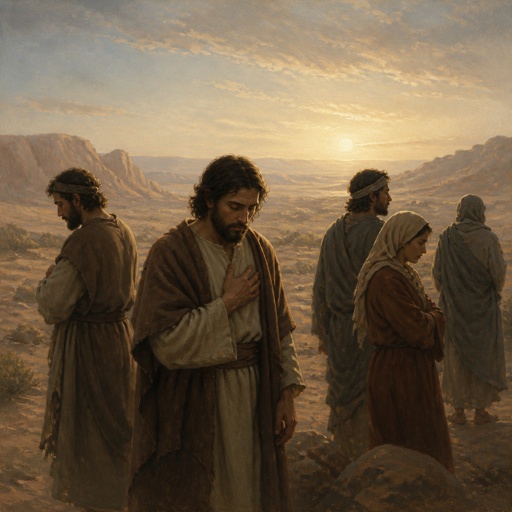
"Harden not your hearts, as in the provocation, in the day of temptation in the wilderness:" - Hebrews 3:8

Hebrews 1:8 - "But unto the Son he saith, Thy throne, O God, is for ever and ever: a sceptre of righteousness is the sceptre of thy kingdom."

Hebrews 8:13 - "In that he saith, A new covenant, he hath made the first old. Now that which decayeth and waxeth old is ready to vanish away."
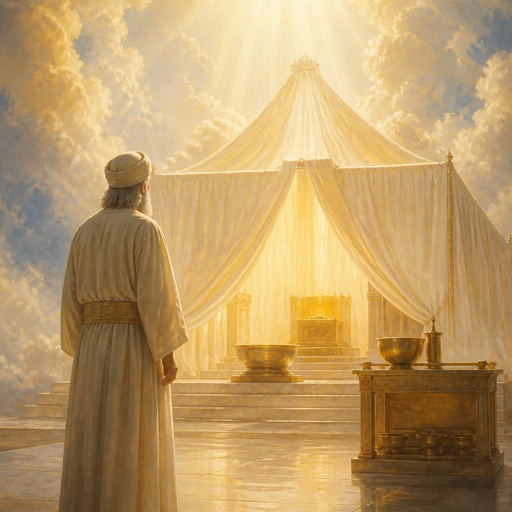
"A minister of the sanctuary, and of the true tabernacle, which the Lord pitched, and not man." - Hebrews 8:2

Hebrews 8:1 - "Now of the things which we have spoken this is the sum: We have such an high priest, who is set on the right hand of the throne of the Majesty in the heavens;"

Hebrews 10:8 - "Above when he said, Sacrifice and offering and burnt offerings and offering for sin thou wouldest not, neither hadst pleasure therein; which are offered by the law;"

Hebrews 8:6 - "But now hath he obtained a more excellent ministry, by how much also he is the mediator of a better covenant, which was established upon better promises."

"For I will be merciful to their unrighteousness, and their sins and their iniquities will I remember no more." - Hebrews 8:12

"But if ye be without chastisement, whereof all are partakers, then are ye bastards, and not sons." - Hebrews 12:8

Hebrews 8:11 - "And they shall not teach every man his neighbour, and every man his brother, saying, Know the Lord: for all shall know me, from the least to the greatest."

Hebrews 12:7-8 - "Endure hardship as discipline; God is treating you as his children. For what children are not disciplined by their father? If you are not disciplined - and everyone undergoes discipline - then you are not legitimate, not true sons and daughters at all."